
CBP Tightens Checks on China-Made Safety Equipment
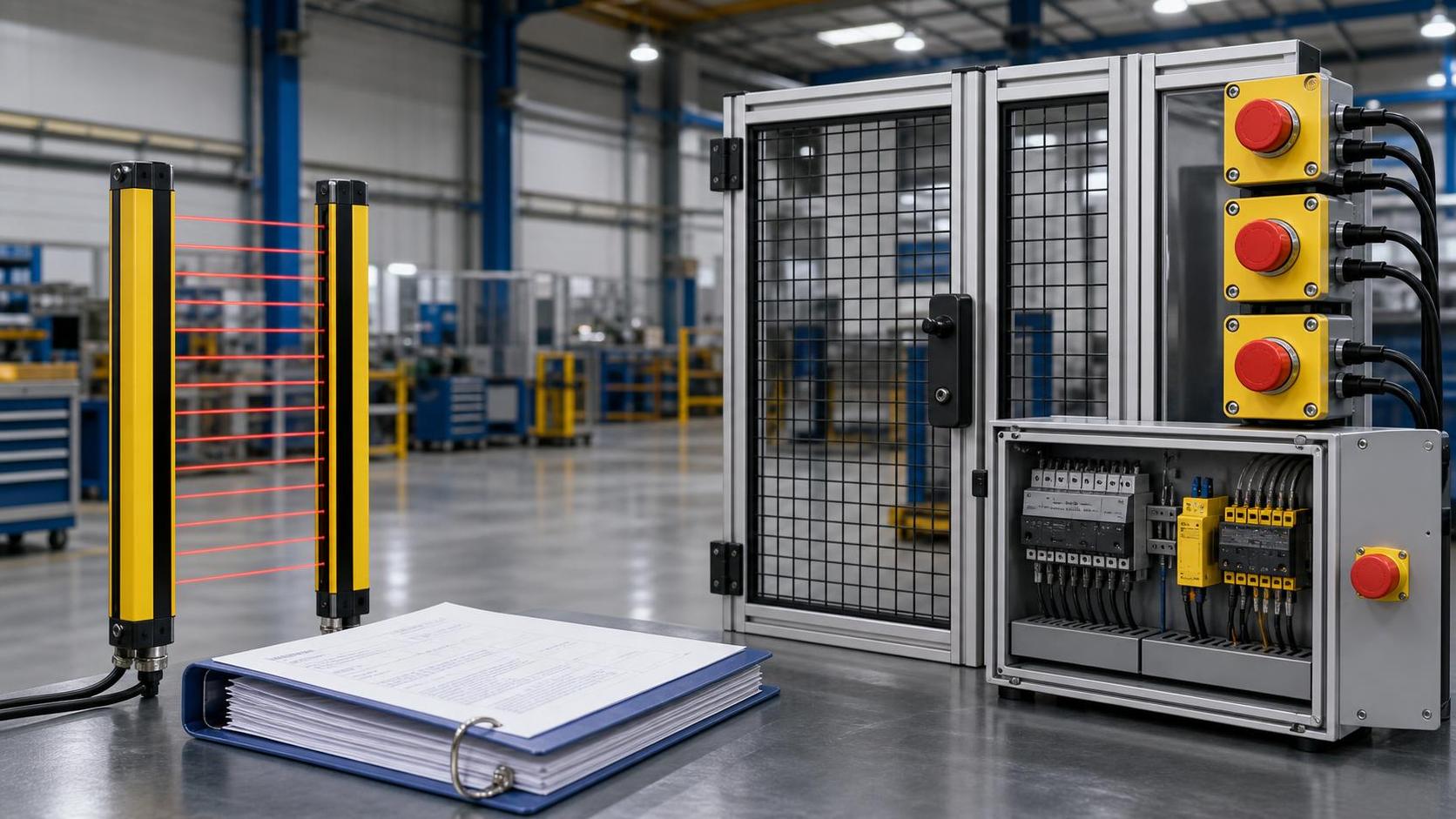
On August 1, 2026, a new U.S. import compliance requirement took effect for industrial safety equipment made in China, following an emergency notice issued by U.S. Customs and Border Protection (CBP) on July 26. The measure matters not only to importers, but also to distributors, manufacturers, procurement teams, and supply chain service providers handling machinery guards, emergency stop systems, safety light curtains, and related products, because it directly affects customs clearance timing, documentation readiness, cost control, and access to the U.S. market.
What the CBP notice confirms
According to the information provided, CBP issued an emergency notice on July 26, 2026 and began enforcing it on August 1, 2026. The notice applies to industrial safety equipment originating in China, including machinery protection devices, emergency stop systems, and safety light curtains.
The confirmed requirement is a mandatory pre-verification of compliance before import. Importers must submit third-party test reports and technical documentation showing conformity with ANSI/ISA-84.00.01 and UL 508A. The information provided also states that the policy directly affects customs clearance efficiency for overseas distributors, procurement costs, and supply chain entry thresholds.
Where the operational pressure is likely to appear
Import and trading teams face a documentation-first bottleneck
From an industry perspective, direct importers and trading companies are the first group likely to feel the effect because the new requirement is tied to pre-verification before goods clear customs. The immediate pressure point is document completeness: whether third-party test reports and technical files are ready, aligned with the required standards, and available in time for import processing.
Distributors may see delays move upstream into inventory planning
Overseas distributors are explicitly identified in the provided information as being directly affected. Analysis shows that when clearance timing becomes less predictable, the impact can extend beyond customs into replenishment schedules, customer delivery commitments, and decisions about which suppliers remain practical to work with under tighter entry conditions.
Manufacturers and suppliers will be judged more heavily on compliance readiness
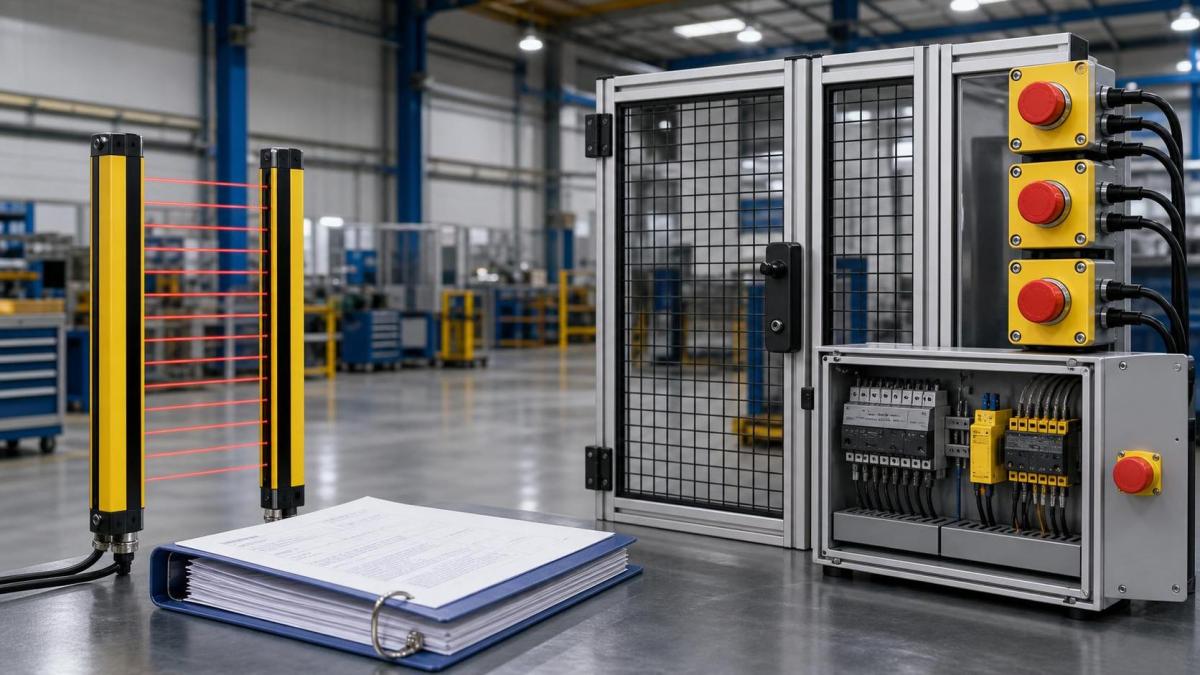
For Chinese manufacturers and upstream suppliers of industrial safety equipment, the issue is not only product shipment but also whether technical records and third-party testing are available in a form importers can use. What deserves closer attention is that supplier qualification may increasingly be evaluated through documentation preparedness, not only product specification or price.
Supply chain service providers will need tighter coordination across handoff points
Customs brokers, logistics coordinators, and related service providers may also be affected because the new rule adds a stronger compliance gate before entry. Observably, the key business impact is less about transportation itself and more about whether shipment files, testing evidence, and technical records are assembled early enough to avoid disruption at the import stage.
What companies should review now
Check whether covered product categories are already mapped clearly
Companies dealing in machinery guards, emergency stop systems, safety light curtains, and related industrial safety equipment should first confirm which products in their portfolio fall within the scope described in the notice. This matters because classification uncertainty can quickly become a clearance risk once enforcement has already started.
Prepare test reports and technical files for practical use, not just for record keeping
The stated requirement centers on third-party testing and technical documentation tied to ANSI/ISA-84.00.01 and UL 508A. Analysis shows that businesses should pay attention to whether these materials are complete, current, and usable in actual import review, rather than assuming that internal files or general product literature will be sufficient.
Reassess lead times, customer commitments, and sourcing discussions
Because the provided information points directly to effects on customs timing and procurement costs, procurement and sales teams should closely watch delivery promises, reorder cycles, and landed-cost assumptions. In practice, this is also a communication issue: importers, suppliers, and downstream customers may need clearer coordination on what documents are required and when they must be available.
Keep watching for how the rule is described and applied in follow-up communications
What deserves closer attention is the distinction between the headline rule and its day-to-day implementation. Companies should continue monitoring official wording, procedural updates, and any clarifications related to covered products, document expectations, or review handling, because operational impact often depends on those details.
Why this reads as more than a one-day customs update
Observably, this development should not be read only as a short-term customs formality. The requirement links market access more directly to documented conformity with named standards, which raises the practical importance of technical files and third-party verification in cross-border trade for industrial safety equipment.
At the same time, it would be premature to treat this as a fully settled long-term market outcome. The confirmed facts establish stricter review and immediate business implications, but the broader effect on supplier selection, channel structure, and sourcing strategies still depends on how consistently the rule is enforced and how market participants adapt.
How the market may best interpret this stage
It is more appropriate to understand this as an immediate compliance change with wider strategic implications still unfolding. The near-term message is clear: import readiness for China-origin industrial safety equipment entering the U.S. now depends more visibly on third-party testing support and technical documentation. The longer-term meaning is still something the industry needs to observe through actual enforcement, clearance practice, and supplier response.
Basis of this report and what still needs verification
This article is based on the user-provided news title, event date, and event summary. For this type of development, relevant source categories typically include official government notices, company statements, industry association updates, authoritative media coverage, and documents issued by standards organizations.
No specific official source link was provided in the input, so the exact original notice link still needs to be verified on an ongoing basis. Follow-up attention should remain on any additional CBP wording, scope clarification, or implementation detail that could affect product coverage, documentation requirements, and real-world import handling.
Related Intelligence