
Scrap Metal Recycling Costs: What Affects Margins Most
Scrap Metal Recycling Costs: What Affects Margins Most
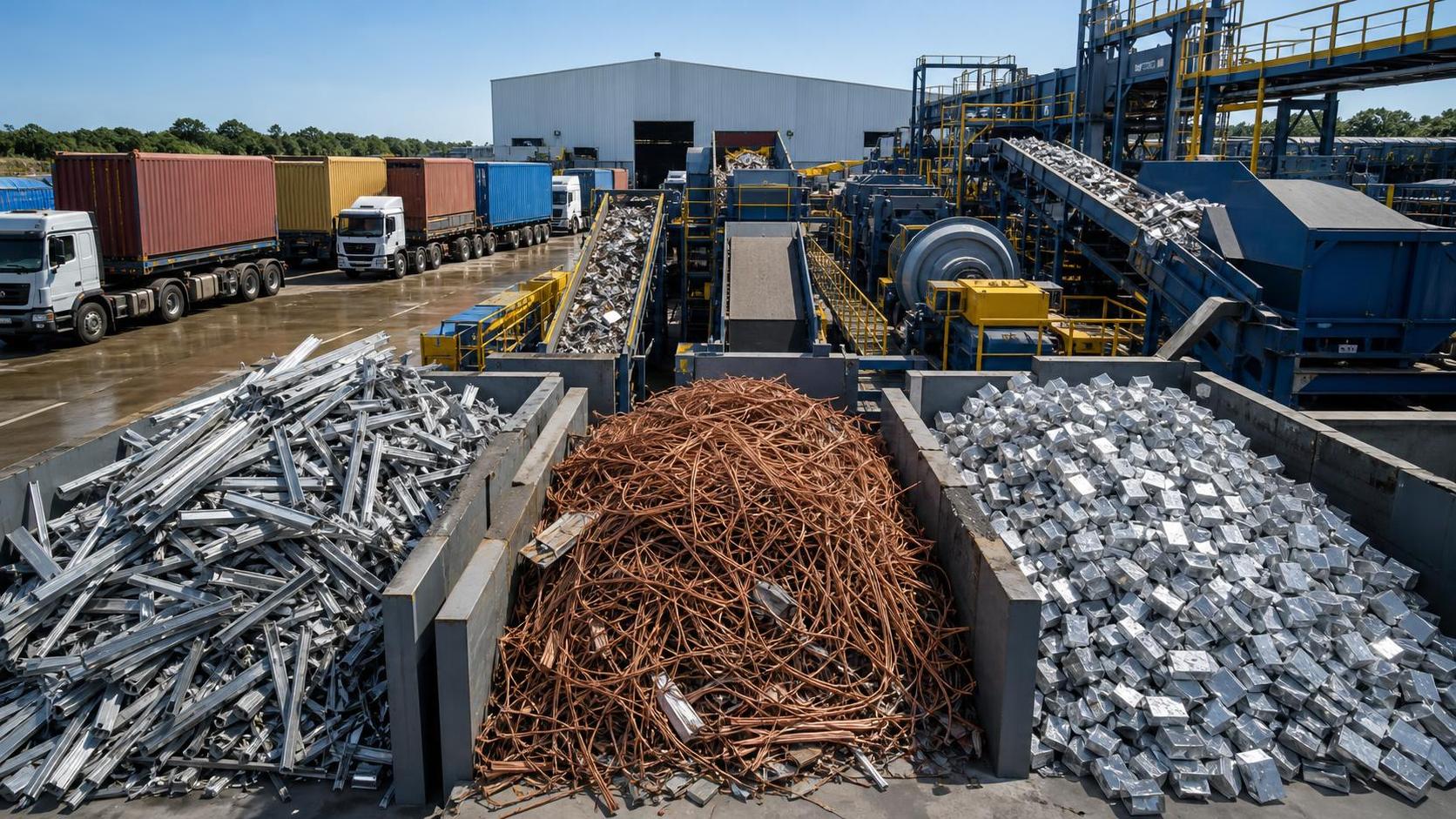
For financial decision-makers, understanding scrap metal recycling costs is essential to protecting margins in a volatile industrial environment. From feedstock pricing and sorting efficiency to transport, labor, compliance, and metal market fluctuations, every cost driver can reshape profitability. This checklist is written for buyers, approvers, and operators who need a clearer view of where the money actually goes in scrap metal recycling, and where margin tends to disappear faster than expected.
In practice, the biggest mistake is treating scrap as a simple commodity purchase. It is not. The purchase price matters, but recovery rate, contamination, freight structure, working capital pressure, and downstream market timing often matter just as much. If you are reviewing a recycler, a supplier, or an internal recycling line, these are the checks worth doing before you sign off on cost assumptions.
Start with the feedstock, not the finished metal price
A lot of margin models begin with the sale price of processed steel scrap, copper scrap, aluminum scrap, or stainless grades. That is backwards. The first serious check is the incoming material mix.
- Is the scrap prompt industrial scrap, obsolete scrap, demolition scrap, turnings, mixed shred, or packaged production offcuts?
- How consistent is grade composition from one lot to the next?
- What portion is actually recoverable metal after dirt, coatings, moisture, attachments, and non-metallic residue are removed?
This is where margin usually moves. A recycler can buy “cheap” scrap and still lose money if recovery is lower than assumed. Mixed loads with insulated wire, painted steel, oily turnings, rubber attachments, or heavy oxidation can look attractive on paper and turn out expensive after sorting and yield loss. Finance teams should ask for historical inbound quality reports by supplier and by grade, not just average procurement cost per ton.
If a supplier cannot explain how they classify material, how they handle off-grade loads, or how often moisture and contamination claims are disputed, that is a real cost signal.
Yield is the margin line most people undercheck
Recovery yield is not an operations detail. It is a purchasing and approval issue. The gap between gross inbound weight and saleable output can erase a margin plan very quickly.
Ask for yield data at a practical level:
- Inbound weight versus processed output by grade.
- Residual waste percentage and disposal route.
- Losses caused by torch cutting, shredding fines, oxidation, or handling damage.
- Seasonal changes, especially where moisture or outdoor storage affects net metal content.
One caution here: “standard yield” tables are often too generic to approve a real sourcing decision. They can be useful as a rough benchmark, but site-specific equipment, material origin, and operator discipline matter more. If the project depends on optimistic yield assumptions, mark it for deeper review.
Sorting costs decide whether low-grade scrap is worth touching
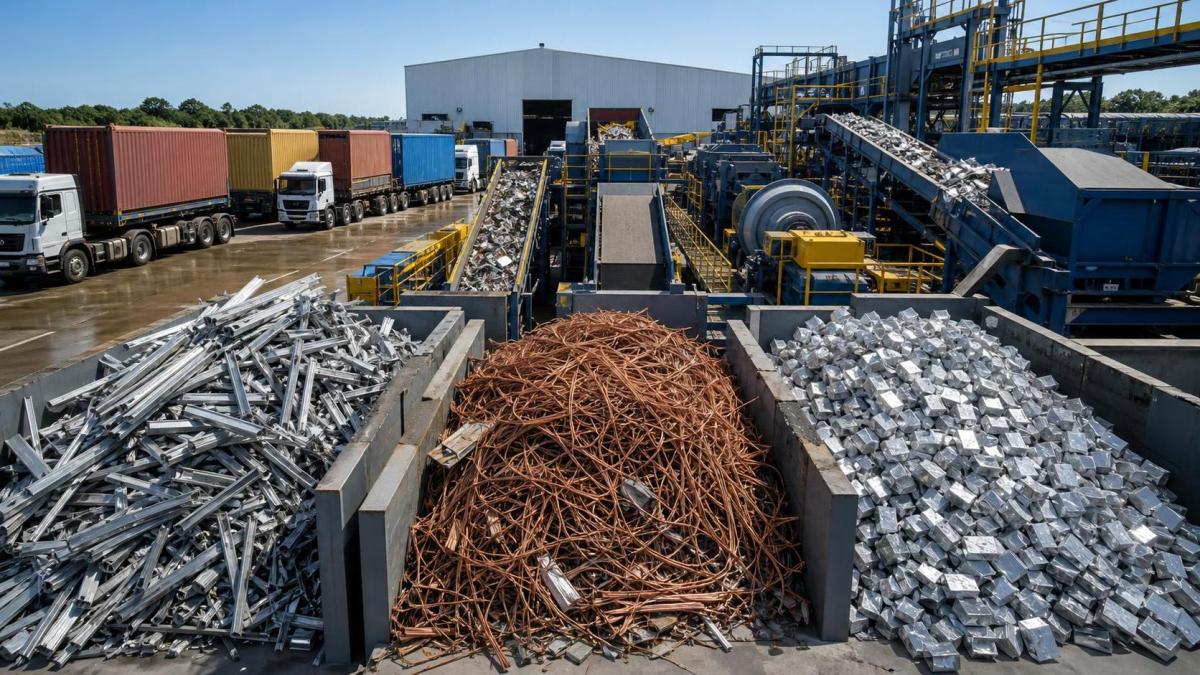
For many scrap metal recycling businesses, sorting is where the operation stops being a trading exercise and becomes an industrial cost structure. Manual sorting, magnetic separation, eddy current systems, sensor-based sorting, baling, shearing, and shredding all affect unit economics differently.
A simple check: if the margin case relies on heavy sorting labor to upgrade low-value mixed scrap into furnace-ready or mill-grade output, compare that labor and equipment burden against just buying cleaner feedstock at a higher entry price. Cheaper inbound material does not always mean better economics.
If you are approving a recycling partner, ask how they prevent copper contamination in steel scrap, stainless mixing errors, and aluminum alloy mix-ups. These are not small quality issues. They directly affect claim rates, resale price, and sometimes the ability to place material at all.
Freight can quietly outrun processing savings
Transport is often underestimated because people price it as a simple per-load expense. Scrap is awkward cargo. Density varies, contamination rules vary, loading efficiency varies, and regional trucking availability can change cost faster than planned.
Things worth checking before you approve a cost model:
- Is the freight lane priced by weight, volume, container, or live market availability?
- Can the material be compacted or baled enough to improve payload efficiency?
- Are there backhaul opportunities, or is the route usually one-way?
- Does cross-border movement trigger additional customs, inspection, or documentation cost?
For export-oriented transactions, freight risk should be read together with market timing risk. A good buying spread can disappear while the material is still moving to port. That matters especially when the business model depends on arbitrage between local scrap supply and overseas mill demand.
Energy, wear, and maintenance are not “overhead” in a shred-heavy model
If the recycling route includes shredding, granulation, chopping, briquetting, or heavy shearing, energy and wear-part consumption need to be treated as direct cost drivers. This is particularly relevant when management is comparing internal recycling capacity against toll processing or third-party outsourcing.
Knife wear, hammer replacement, screen changes, bearing failures, dust extraction maintenance, and unexpected downtime can alter per-ton cost materially. You do not need a perfect engineering model to review this, but you do need recent maintenance logs, utilization rates, and realistic throughput assumptions. Nameplate capacity by itself is not useful for approval.
A familiar problem in capex reviews is that utilization is modeled as if all inbound scrap is equally processable. In reality, oversized scrap, tangled wire, sealed containers, and contamination reduce throughput and increase stoppages. If the financial case depends on uninterrupted operation, treat that as an assumption to challenge.
Labor cost is only half the people equation
Labor is easy to count and easy to misread. The direct wage line matters, but injury risk, turnover, supervision requirements, and the cost of inconsistent grading often matter more over time. Scrap yards and metal recycling plants handle sharp edges, heavy lifting, sparks, dust, and moving equipment. Safety performance is tied to cost control whether finance likes that framing or not.
For buyers evaluating third-party processors, ask for the practical indicators: staffing stability, operator training, incident management process, and how rejected material is escalated. Formal certifications may be relevant depending on market and customer requirements, but you should not assume any specific certificate without verification. If a processor claims compliance credentials, confirm the scope and validity directly. Anything not documented should be treated as 【待核实】.
Compliance and residue disposal can turn a profitable line item negative
This is where many procurement models are too clean. Scrap metal recycling is not only about metal recovery. There may be oils, coatings, batteries, electronics, refrigerants, or other attached materials that trigger environmental and handling obligations depending on jurisdiction. Requirements differ by country and sometimes by local authority, so exact obligations must be checked case by case.
The finance question is straightforward: who owns the cost if a load includes material that needs special handling? If the contract is vague, the recycler will price in uncertainty or pass the cost back through claims. Review:
- Load acceptance criteria
- Contamination thresholds
- Rejection and reclassification terms
- Responsibility for residue disposal, testing, and transport
If those points are missing, margin forecasts are incomplete.
Market volatility matters less than pricing discipline
Yes, metal prices move. Everyone in the business knows that. The more useful question is whether your buying and selling mechanism keeps pace with that movement. In scrap metal recycling, margin damage often comes from timing mismatch rather than from the market direction itself.
Common issues include buying on a fixed formula and selling on a delayed spot basis, holding inventory too long while waiting for a better market, or committing outbound tonnage before inbound grade quality is fully confirmed. Copper and aluminum spreads can move quickly; ferrous can be hit by abrupt local mill buying changes. None of that is unusual, but it needs policy.
A finance approver should ask three plain questions:
- How fast can purchase prices be adjusted when the downstream market changes?
- What is the average inventory holding period by scrap category?
- Who has authority to hold or release material when spreads narrow?
If nobody can answer those clearly, the business is taking price risk without admitting it.
Watch the cash cycle, not just the gross margin per ton
Scrap operations can look healthy on a per-ton basis and still strain cash. Suppliers may require fast payment. Buyers, especially larger industrial consumers or overseas counterparties, may pay later. Add inventory buildup, freight prepayment, and claim deductions, and the working capital profile starts to matter as much as the unit margin.
This is particularly important for companies expanding into new recycling regions or cross-border channels. A cost model that ignores payment terms, claim settlement timing, and financing cost is incomplete. Review days payable, days sales outstanding, inventory turns, and the practical effect of weight or quality disputes on cash collection.
A workable approval checklist
Before approving a supplier, processor, or internal project tied to scrap metal recycling, run through this short list and insist on evidence where the economics look thin:
- Inbound scrap specification is written clearly, with grade definitions and contamination rules.
- Recovery yield is supported by real operating records, not generic assumptions.
- Sorting, labor, and maintenance costs are tied to the actual material mix.
- Freight and handling reflect real lane conditions and payload constraints.
- Disposal responsibility for residue or regulated material is contractually clear.
- Pricing formula, inventory policy, and market exposure are understood by both finance and operations.
- Working capital impact has been reviewed alongside gross margin.
If one line deserves extra scrutiny, it is this: any margin projection built on low purchase cost but weak control over yield, sorting, and claims is fragile. In scrap recycling, the businesses that protect margin are usually the ones that know their inbound material in detail, document losses honestly, and price risk before the load arrives.
Related Intelligence