
CBP Tightens Pre-Classification for China Safety Equipment
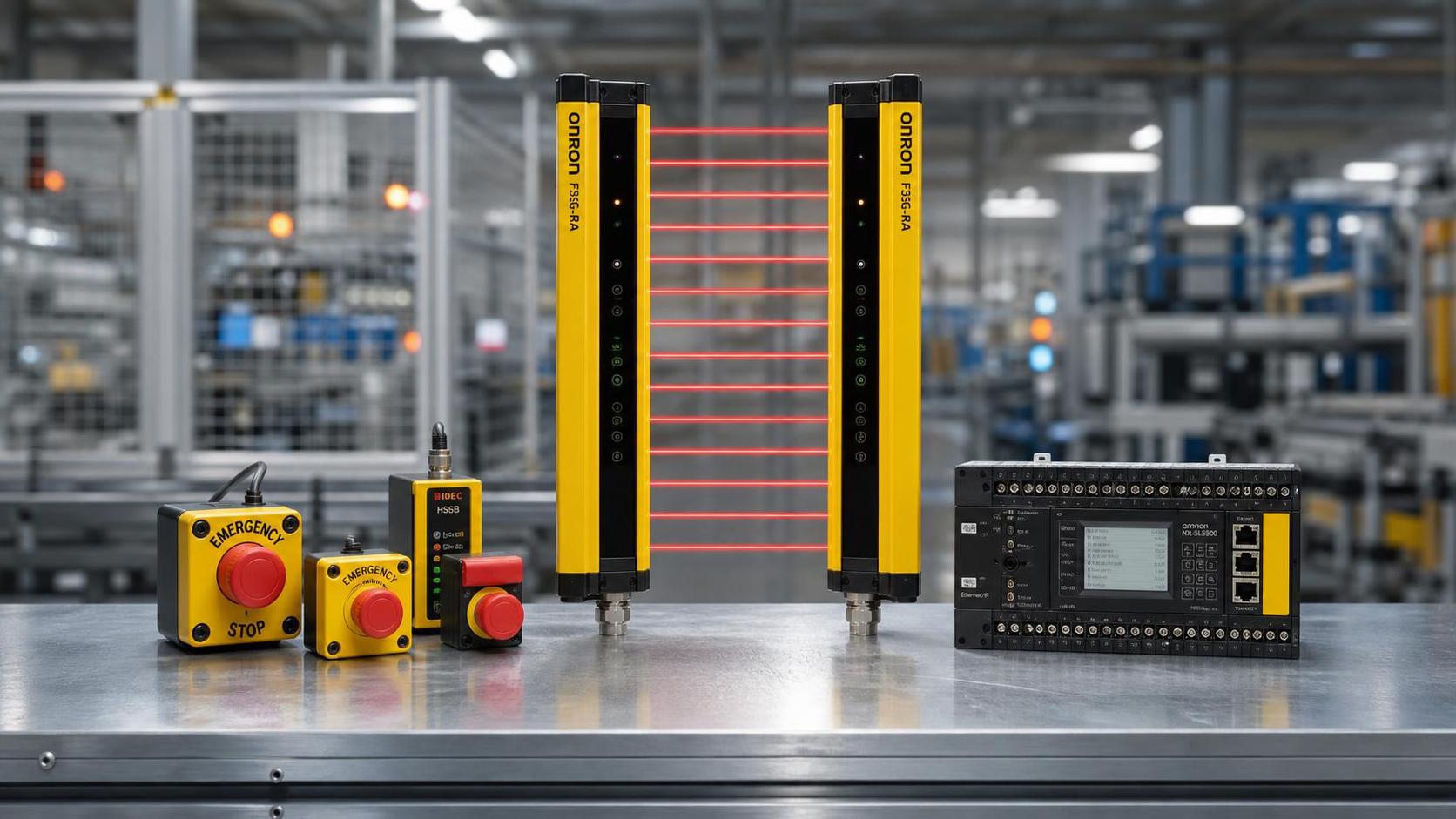
Starting August 1, 2026, a new U.S. Customs and Border Protection requirement will add an immediate compliance step to exports of certain China-origin industrial safety equipment to the United States. The change matters not only for manufacturers of products such as emergency stop systems, safety light curtains, and safety controllers, but also for importers, customs-facing supply chain teams, and delivery planning, because the rule links pre-shipment classification and documentation directly to customs clearance risk, shipment timing, and potential penalties.
What the CBP notice requires
According to the information provided, CBP issued an emergency notice on July 24, 2026. The notice requires that, from August 1, 2026, all industrial safety equipment originating in China and classified under HTS 8423.30, 8479.89, or 9032.89 must obtain a CBP pre-classification ruling before export.
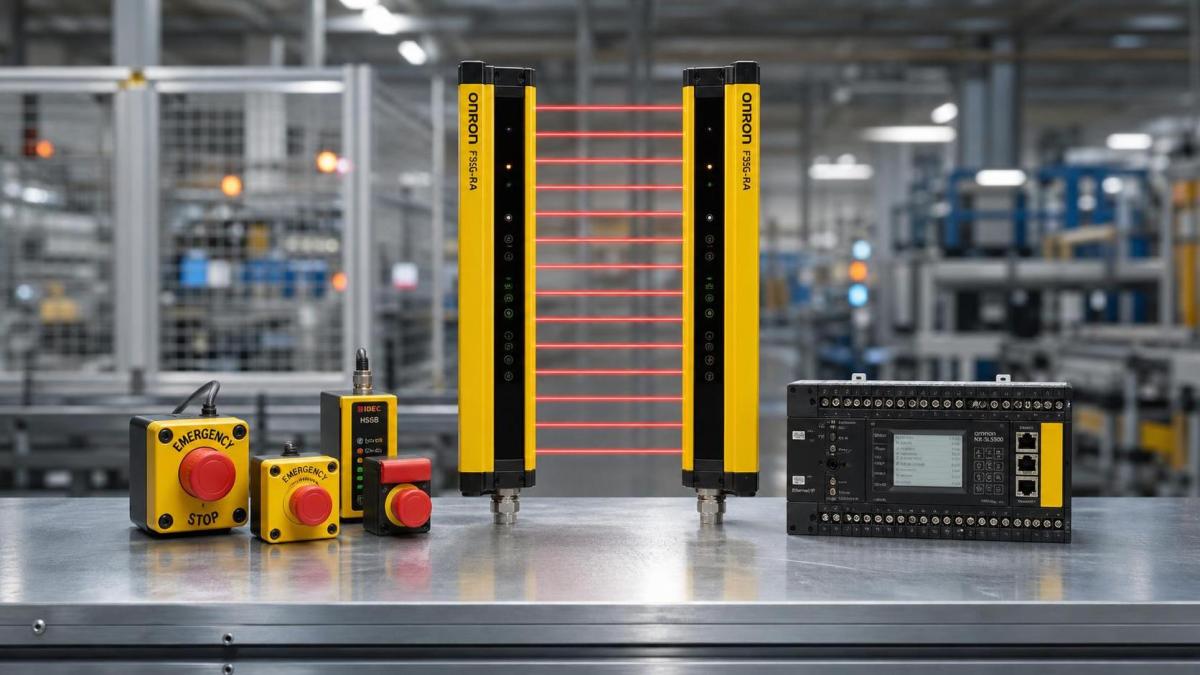
The same shipments must also be accompanied by an English-language document titled the US-Compliance Statement. The requirement applies to covered industrial safety equipment including emergency stop systems, safety light curtains, and safety controllers.
The provided information also states that non-compliant shipments may face full-container port holds, return shipment, or fines of up to 300%.
Where the pressure will be felt first
Export manufacturers face a new pre-shipment checkpoint
From an industry perspective, OEM and ODM manufacturers are likely to feel the most immediate operational effect because the new requirement applies before export, not only at the import clearance stage. This means classification work and documentation readiness may become part of shipment release timing, especially for covered products shipped to U.S. buyers.
Importers carry direct compliance exposure
Analysis shows that U.S.-facing importers are also directly affected because the rule is tied to clearance outcomes and compliance responsibility. Where pre-classification or the required English statement is missing or inconsistent, the risk does not stay at the factory level; it can extend to entry processing, cargo release, and penalty exposure.
Supply chain and customs service teams may see timing risk
Observably, freight coordination, customs brokerage support, and shipment scheduling may come under pressure because the rule compresses the time between documentation completion and export readiness. For companies moving containerized shipments, the stated risk of port detention or return shipment makes document control and shipment sequencing more sensitive than before.
Procurement and end users may need closer delivery oversight
For buyers and downstream industrial users, the main issue is not a confirmed market outcome but a near-term delivery management risk. Where covered equipment is part of a larger machine, line integration plan, or replacement schedule, any customs interruption could affect project timing or equipment availability.
What companies should watch in practice
Check whether products fall within the named HTS categories
What deserves closer attention is product scope. Companies dealing in industrial safety equipment tied to HTS 8423.30, 8479.89, or 9032.89 should first clarify whether specific exported items are within the categories referenced in the notice, because the compliance burden described in the provided information is linked to those tariff headings.
Align export timing with pre-classification lead requirements
Analysis shows that the operational issue is not only whether a rule exists, but whether internal shipment timelines can absorb the added pre-classification step before export. For manufacturers and exporters, this raises practical questions around order scheduling, document readiness, and handoff timing with U.S. import-side partners.
Review English-language compliance documentation
The requirement to attach an English-language US-Compliance Statement makes documentation quality a core issue. Companies should pay attention to whether internal teams, suppliers, and customers are aligned on when this statement must be prepared and how it is matched to covered shipments, since the summary provided ties missing compliance directly to clearance and penalty risk.
Separate confirmed rules from follow-on interpretation
It is more appropriate to understand the current information as a confirmed immediate requirement, while still distinguishing it from any broader interpretation that has not been provided. Businesses should therefore focus first on the explicit items in the notice: origin, covered HTS headings, pre-classification before export, the English compliance statement, and the stated consequences of non-compliance.
Why this reads as more than a routine filing change
As an editorial observation, this development is best read as a targeted compliance tightening around a defined set of China-origin industrial safety equipment, rather than as a general statement about all industrial exports. The short implementation window between the July 24, 2026 emergency notice and the August 1, 2026 effective date is one reason the market is likely to view it as an immediate execution issue.
At the same time, it would be premature to treat the notice alone as proof of broader long-term restructuring beyond the covered scope. Observably, the stronger signal at this stage is that customs classification and supporting declarations are becoming a frontline operational issue for affected shipments, and that compliance preparation is moving earlier in the export process.
How the market is likely to frame it for now
For now, this update is more appropriately understood as an actionable compliance change with near-term shipment consequences, rather than as a settled long-term industry outcome. Its importance lies in the combination of mandatory pre-classification, a named English compliance document, and explicit enforcement risk for non-compliant cargo.
A rational reading for affected companies is to treat the rule as an immediate trade execution and customs-readiness issue, while continuing to monitor whether further official clarification changes how broadly the requirement is interpreted in practice.
Basis of this article and follow-up verification
This article is based on the user-provided news title, event date, and event summary regarding the CBP requirement taking effect on August 1, 2026. For this type of industry update, relevant source categories typically include official notices, company disclosures, industry association updates, authoritative media reporting, and standards-related documents.
No specific official source link was provided in the input. Because of that, the precise official publication record and any subsequent clarifications still require continued verification. The main areas that warrant follow-up attention are whether CBP issues further wording on implementation, whether the covered HTS scope is refined in practice, and whether supporting compliance documentation expectations are further specified.
Related Intelligence