
SCADA Systems in Industrial Automation: What to Compare First
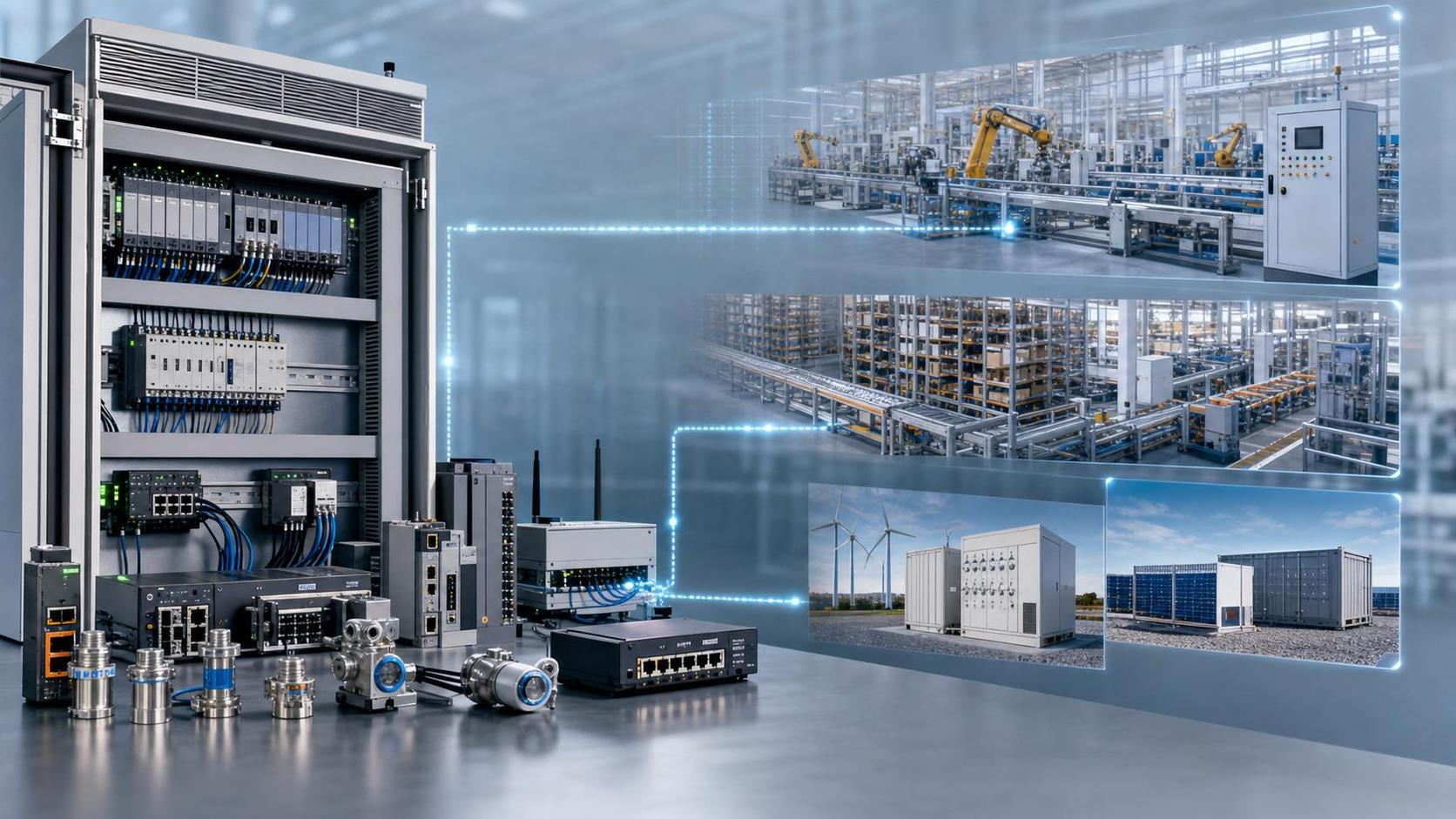
SCADA systems industrial automation decisions rarely fail because a screen looks outdated. They usually fail when the system cannot fit existing equipment, cannot trust field data, or cannot expand with production change.
That is why the first comparison should go deeper than interface style or vendor visibility. In factories, utilities, metals processing lines, warehouses, and cross-site operations, SCADA shapes how fast operations can see, respond, and improve.
For a B2B information environment focused on industrial upgrading, manufacturing efficiency, supply chain visibility, and equipment decisions, this topic matters because SCADA often sits between machines, people, and business data.
What SCADA really means in industrial automation
SCADA stands for supervisory control and data acquisition. In practical terms, it is the operating layer that gathers signals, displays conditions, records events, and supports control across distributed industrial assets.
In SCADA systems industrial automation projects, the platform usually connects PLCs, RTUs, sensors, drives, meters, historians, alarm engines, and reporting tools. It becomes the visible control surface for a larger automation architecture.
This matters across more than one sector. A metal fabrication plant may monitor furnace temperatures and line speed. A warehouse may track conveyors and utilities. An energy facility may supervise remote assets over long distances.
So the comparison question is not simply which platform has more functions. The real question is which platform fits the operating reality, data structure, and future integration path.
Why the topic is getting more attention now
Industrial companies are under pressure from several directions at once. They need better uptime, traceable quality, lower energy waste, and more reliable production coordination across sites.
At the same time, old control infrastructure still exists in many plants. New lines may support Ethernet-based communication, while legacy equipment still depends on serial links or vendor-specific drivers.
This creates a common challenge in SCADA systems industrial automation evaluation. The chosen platform must connect different generations of technology without creating long-term maintenance burden.
Another reason is that factory digitalization is moving beyond simple local monitoring. Data now feeds MES, ERP, maintenance planning, sustainability reporting, and supply chain coordination. A SCADA choice can affect all of them.
The first things worth comparing
Early-stage comparisons should focus on technical fit, not marketing language. Several dimensions deserve attention before pricing discussions become the main topic.
System architecture
Check whether the system is centralized, distributed, or hybrid. Multi-site operations often need segmented architectures with resilient local control and shared supervisory visibility.
Architecture also affects disaster recovery, failover strategy, network traffic, and future expansion. A platform that looks efficient in one workshop may become rigid across five plants.
Protocol compatibility
Protocol support should be reviewed against actual device lists, not brochure claims. Common names such as Modbus, OPC UA, Profinet, EtherNet/IP, BACnet, and DNP3 may all appear in one enterprise.
In SCADA systems industrial automation, every unsupported or unstable driver increases engineering cost. It also raises operational risk when troubleshooting becomes dependent on custom middleware.
Data integrity and historian quality
A dashboard is only useful if the underlying data is reliable. Review time stamping, event sequencing, buffering, missing-data handling, historian compression, and synchronization across devices.
This becomes especially important when production quality, batch traceability, or energy analysis depends on historical records rather than live values alone.
Cybersecurity and access control
Security should be assessed as an engineering feature, not an IT add-on. Review user roles, audit logs, network segmentation support, patch practices, remote access controls, and encryption options.
Plants connected to suppliers, remote maintenance teams, or cloud analytics face a wider exposure surface. Weak security can turn an automation upgrade into a business continuity risk.
How comparison priorities change by scenario
Not every operation evaluates SCADA in the same way. A continuous metals process, a packaging line, and a remote pumping network will rank risks differently.
This is where an industry-focused research approach becomes valuable. Comparing technology in isolation often misses business context such as maintenance capability, compliance burden, or supplier support geography.
Integration often decides long-term value
Many SCADA investments appear reasonable at installation, then become expensive when wider integration begins. The most common friction points show up after the initial go-live.
- Tag structures are inconsistent, making reporting difficult.
- Alarm logic is copied line by line, creating maintenance confusion.
- MES or ERP links require custom development for basic production data.
- Remote access works, but auditability is weak.
- License scaling becomes costly when new sites are added.
For SCADA systems industrial automation, integration should therefore be compared early. Review APIs, database openness, historian export methods, template libraries, and connection paths to enterprise systems.
This is especially relevant in operations where factory data influences sourcing, planning, inventory, maintenance, or energy decisions. Better integration means fewer blind spots between production activity and business response.
What practical evaluation should look like
A useful comparison framework blends technical review with site reality. It should test the system against the environment it will actually enter.
Start with the asset map
List controllers, instruments, networks, software layers, and critical reporting outputs. Without this map, compatibility discussions stay too abstract.
Rank the operational risks
Some sites cannot tolerate historian gaps. Others care more about response speed, recipe control, or remote visibility. Priorities should follow actual production loss points.
Test support depth, not sales coverage
Vendor support quality depends on engineering capability, documentation maturity, local integration resources, and upgrade discipline. This matters more than brand familiarity alone.
Review lifecycle economics
The lowest initial bid may not be the lowest five-year cost. Licensing, redundancy options, upgrade paths, training needs, and spare engineering capacity all affect total ownership.
Common mistakes in early comparisons
Several mistakes appear repeatedly in SCADA systems industrial automation selection work. They are easy to avoid once they are visible.
- Comparing screen design before checking device connectivity.
- Assuming all OPC support delivers the same reliability.
- Treating cybersecurity as separate from architecture.
- Ignoring historian design until compliance questions appear.
- Underestimating expansion needs across future lines or facilities.
In broader industrial markets, these errors can also affect procurement timing, integration budgets, and even cross-border sourcing decisions when equipment standards vary by supplier region.
A clearer next step for evaluation
A solid starting point is to build a comparison sheet around architecture, protocols, data trust, cybersecurity, scalability, and integration. That creates a more useful shortlist than feature count alone.
From there, compare each platform against one real production scenario, one legacy integration challenge, and one future expansion case. This reveals whether the proposed solution is merely functional or genuinely durable.
For anyone tracking industrial automation through a wider lens that includes manufacturing efficiency, metals operations, trade complexity, and supply chain resilience, SCADA should be assessed as infrastructure for decision quality, not just operator visibility.
The most useful next move is simple: define the plant conditions that cannot fail, then compare SCADA systems industrial automation options against those conditions before comparing brand promises.
Related Intelligence