
Should I Insure High-Value Goods Shipped in Containers?
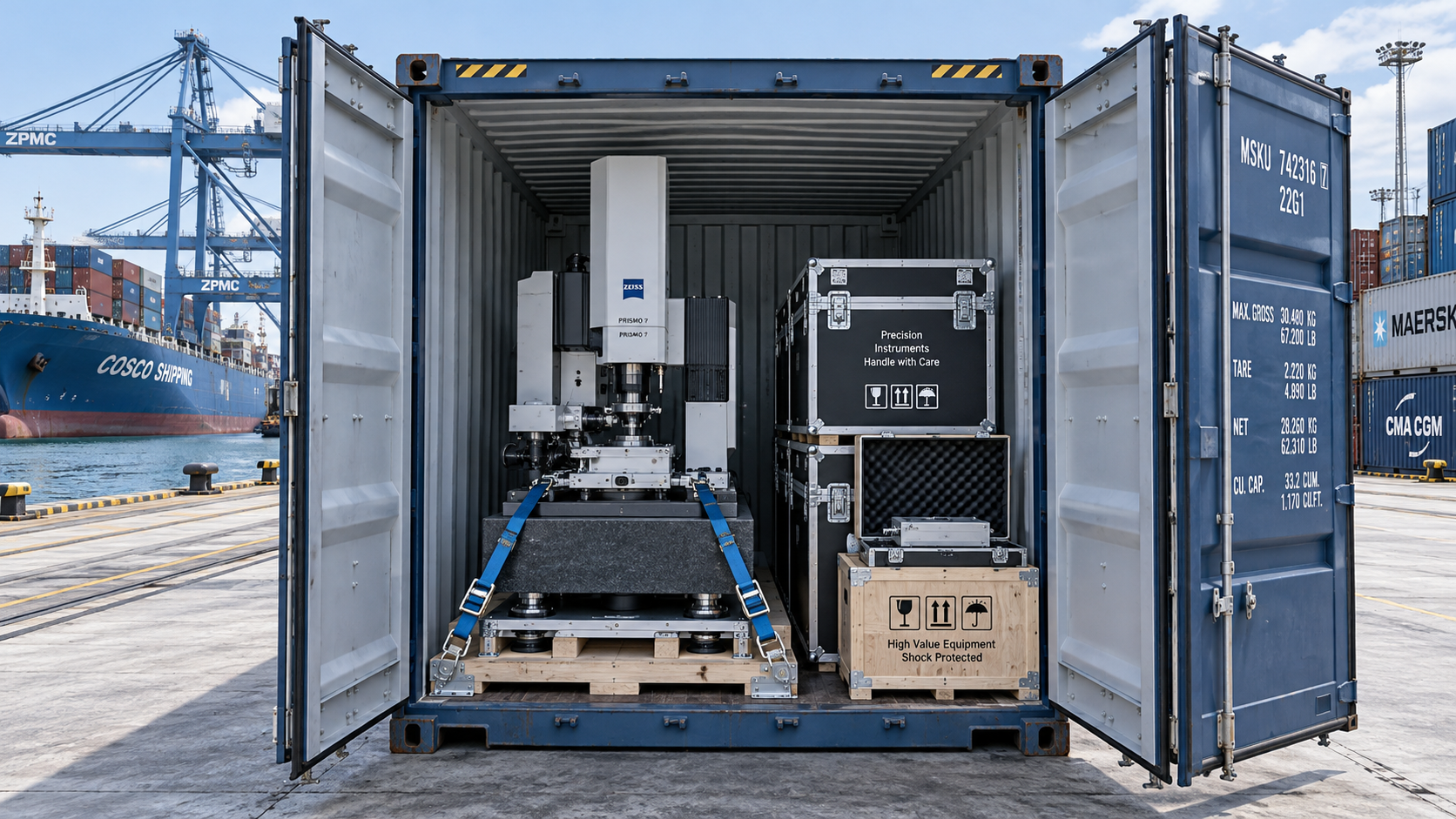
Yes—cargo insurance is usually a sensible purchase when losing or damaging a container shipment would put significant pressure on your finances. For high-value goods, the decision should consider replacement costs, coverage gaps, and your ability to absorb a loss. A sealed container provides physical protection, but it does not guarantee safe delivery or full compensation when something goes wrong.
If you are asking, “Should I buy insurance for container shipping high-value goods?”, start with two questions: who bears the risk during transit, and what insurance already covers that risk? Once those are clear, you can decide whether to buy a separate policy, extend existing cover, or deliberately retain part of the exposure.
Doesn’t the shipping company already cover damaged or lost cargo?
The shipping company may have liability for a loss, but carrier liability and cargo insurance serve different purposes. A liability claim depends on the applicable transport rules, contract terms, circumstances of the incident, and available defenses. Compensation may be limited by weight or package count rather than the commercial value of your goods.
This distinction matters particularly for expensive goods with relatively little weight, such as precision instruments, electronic components, and specialized equipment. Even when the carrier is responsible, the amount recoverable may fall well short of the replacement cost.
Cargo insurance responds according to the insured risks and policy conditions. It can provide a route to compensation without first resolving every question of carrier responsibility. The insurer may then pursue recovery against the responsible party.
A freight forwarder’s statement that a shipment is “covered” needs a precise explanation. It could refer to the forwarder’s liability insurance, a limited compensation arrangement, or an actual cargo policy. Ask for the insurance certificate and coverage wording before treating that statement as protection for the shipment’s full value.
When is insurance worth buying, and when might self-insurance work?
Insurance becomes more valuable when a shipment concentrates a large amount of capital into one journey. Losing a container of readily replaceable stock is different from losing custom machinery that has already taken months to manufacture.
Assess both the direct loss and your ability to recover operationally. Could you fund replacement goods while a claim is processed? Is another supplier available? Would the loss prevent you from fulfilling an important contract? These consequences help determine how much risk you can retain, although ordinary cargo insurance generally does not cover all resulting business losses.
Self-insurance can be reasonable when you have sufficient reserves, diversified shipments, and a deliberate method for funding losses. It is less convincing when the decision rests only on a history of uneventful deliveries. Previous shipments arriving safely does not establish that the next loss will be affordable.
A deductible offers a middle option: retain manageable losses while transferring larger covered losses. Choose it according to available cash and likely damage scenarios, rather than selecting the highest deductible solely to reduce the premium.
What can happen to valuable goods inside a sealed container?
Containerized cargo can suffer damage without obvious external damage to the container. Temperature changes can produce condensation, moisture can affect packaging, and inadequately secured cargo can move during handling or vessel motion.
The relevant exposure depends on the goods:
- Machinery: impact, shifting, corrosion, and damage to sensitive assemblies can create expensive repair work.
- Metals: moisture damage, deformation, and theft may affect usability or commercial acceptance.
- Electronics: theft, moisture, and shock can cause losses that are difficult to identify at delivery.
- Temperature-sensitive goods: equipment malfunction or temperature excursions require particular attention to coverage terms.
A full container load reduces some handling compared with shared-container transport, but it still passes through loading, terminals, vessel operations, and inland transport. Shared containers introduce additional consolidation and deconsolidation stages. Evaluate the complete journey rather than only the ocean crossing.
Is “all risks” cargo insurance enough?
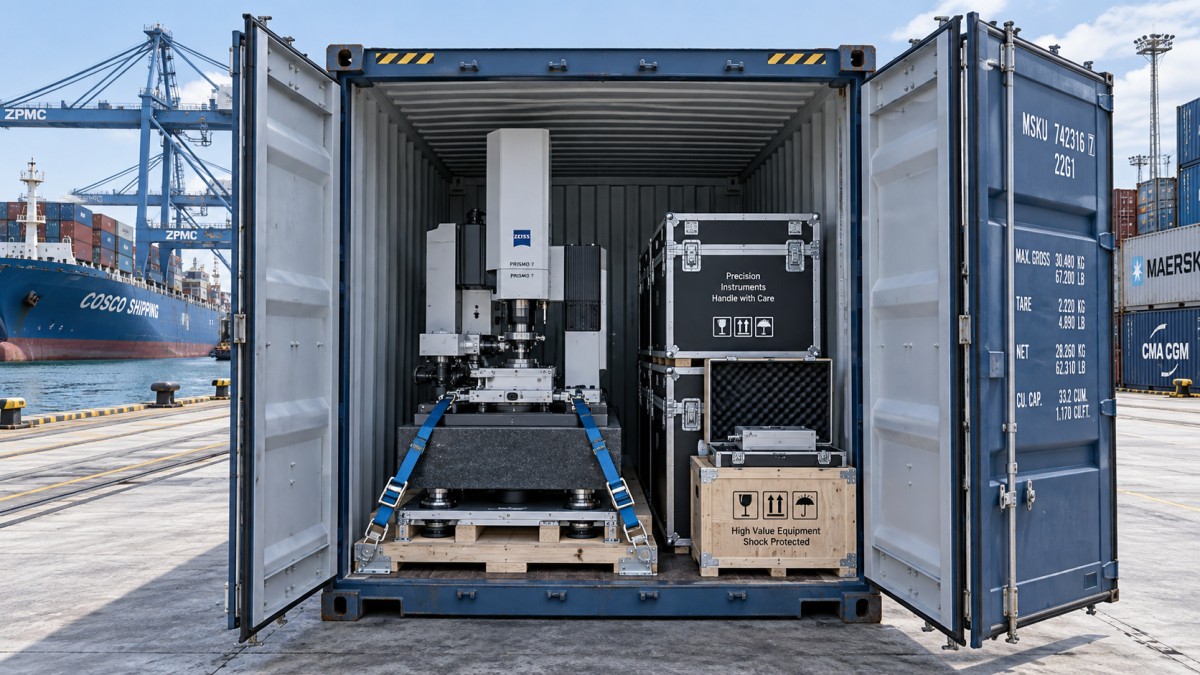
Broad cargo cover, often described as “all risks,” is commonly the starting point for valuable shipments. However, the phrase does not mean every possible loss is insured. Coverage remains subject to exclusions, deductibles, limits, and conditions.
Restricted policies cover specified events and can leave gaps for handling damage or other accidental losses. Broad cover generally offers wider protection for accidental physical loss or damage, but the exact wording determines whether a particular incident qualifies.
Common exclusions concern inadequate packing, inherent characteristics of the goods, ordinary wear, and delay. War and strikes risks may require separate cover. Rust, condensation, mechanical breakdown, and temperature variation deserve explicit discussion because their treatment can depend on both the policy and the cause of damage.
For example, a machine damaged by an external impact raises a different coverage question from a machine that stops working because of an internal defect. Similarly, moisture entering through accidental container damage differs from deterioration caused by unsuitable preparation.
Describe the goods accurately and ask how the policy handles their specific vulnerabilities. A policy described as broad can still offer poor protection if a major exposure is excluded.
Can I face a financial claim even if my goods arrive undamaged?
Yes. General average can create an obligation to contribute to qualifying sacrifices or expenses made to preserve a vessel and cargo during a common maritime peril. Depending on the circumstances, cargo interests may have to provide security before goods are released.
This means a shipment can arrive physically intact while still creating an unexpected financial obligation. General average is separate from a routine claim for damaged goods, and contributions are determined through an adjustment process.
Cargo policies commonly address general average and salvage charges, subject to their terms. Check that these provisions are included and establish how the insurer will arrange any required guarantee or security. For a valuable shipment, the practical ability to obtain cargo release can matter alongside the eventual settlement amount.
What value should I insure, and how much will coverage cost?
The invoice is a starting point, but it may not represent the complete financial exposure. Freight, packing, and other agreed costs can form part of the insured value. Some arrangements include an agreed uplift, but there is no single valuation formula suitable for every shipment.
For custom equipment, consider whether the declared value reflects the agreed settlement basis. Repair costs, specialist labor, replacement components, and transport to a repair facility may affect a claim. Used machinery also needs clear valuation terms because purchase price, current value, and replacement cost can differ substantially.
Underinsurance can leave part of a loss unpaid and, under some policy terms, can affect partial-loss settlements. Overstating the value does not automatically produce a larger legitimate payment. Agree on a supportable value and keep the documents that explain it.
Premiums depend on cargo type, value, route, packing, claims history, deductible, and coverage breadth. Compare quotations using the same shipment details and settlement basis. A cheaper quotation with narrower theft cover, a large deductible, or a lower per-container limit may leave a greater amount at risk.
If the seller arranges insurance, do I still need my own policy?
Possibly, but avoid buying overlapping cover before examining what already exists. Incoterms allocate responsibilities and risk between seller and buyer; they do not establish a complete insurance arrangement for every transaction.
Under Incoterms 2020, CIF and CIP require the seller to arrange insurance, but their default coverage requirements differ. Other commonly used terms do not automatically require either party to purchase cargo insurance. Risk can also transfer before the goods reach their destination, even where the seller pays the freight.
Check the agreed trade term, named location, and applicable version alongside the sales contract. Then examine the actual certificate: who can claim, what value is insured, which risks are covered, and where coverage ends?
If the seller’s policy is suitable, additional insurance may be unnecessary. If it leaves a gap, seek a targeted extension or complementary cover. Where two policies could respond to the same loss, disclose the arrangement so their respective obligations can be understood before a claim.
Does warehouse-to-warehouse cover include every stage of delivery?
Warehouse-to-warehouse wording can provide broad transit protection, but it has defined attachment and termination conditions. It does not necessarily insure unlimited storage, every detour, or all activity at either end of the journey.
Map the actual movement from the dispatch premises to the final delivery point. Include loading, inland trucking, consolidation, transshipment, customs handling, temporary storage, and unloading. Then compare that route with the insured transit.
Equipment shipments need particular care at destination. Unloading, lifting into position, assembly, installation, and commissioning are different activities. Transit cover may end before some of these begin, requiring an extension or separate insurance.
If routing changes or goods remain in storage longer than planned, notify the insurer or broker promptly. A change that appears minor operationally may alter the insured journey. Establish who is responsible for reporting such changes before dispatch.
Will insurance pay for late delivery or lost production?
Ordinary cargo insurance generally focuses on covered physical loss or damage. It usually does not pay simply because a vessel arrives late, a customer cancels an order, or a production line remains idle.
Even when physical damage is covered, the resulting lost revenue, penalties, or disruption may fall outside the policy. Specialized consequential-loss cover may be available for some projects, but it requires separate consideration and often depends on an insured physical-damage event.
This distinction changes the buying decision. Cargo insurance can protect the value of goods while leaving a major operational exposure unresolved. For critical shipments, combine appropriate insurance with realistic lead times, replacement options, spare components, or alternative supply arrangements.
What should I do before dispatch and if damage is discovered?
Before dispatch, obtain written answers to a short set of practical questions:
- What goods, insured value, and settlement basis appear on the policy?
- Which risks are excluded or subject to special conditions?
- What deductible and limits apply per shipment, container, or location?
- When does cover begin and end, including storage and unloading?
- Who should receive immediate notice of damage, theft, or a general average demand?
Photograph the goods, protective packing, securing arrangements, container condition, and seal before departure. Retain invoices, packing lists, transport documents, and any relevant inspection or monitoring records. These establish what was shipped and help explain the condition and cause of a loss.
At delivery, record visible damage, shortages, or seal discrepancies accurately. Notify the insurer promptly, follow survey instructions, and preserve packaging and damaged goods where practical. Take reasonable steps to prevent further loss without destroying evidence. Transport contracts and policies can impose notification deadlines, so waiting for a final repair quotation before reporting damage can create problems.
For a valuable container shipment, the useful next step is to send the cargo description, packing method, route, trade term, and proposed insured value to a cargo insurance provider. Request written treatment of the risks most relevant to those goods. Buy coverage that protects an exposure you cannot comfortably absorb, with terms that match the journey you are actually arranging.
Related Intelligence