
Freight Transportation Management Explained: Modes, Costs, and Control Points
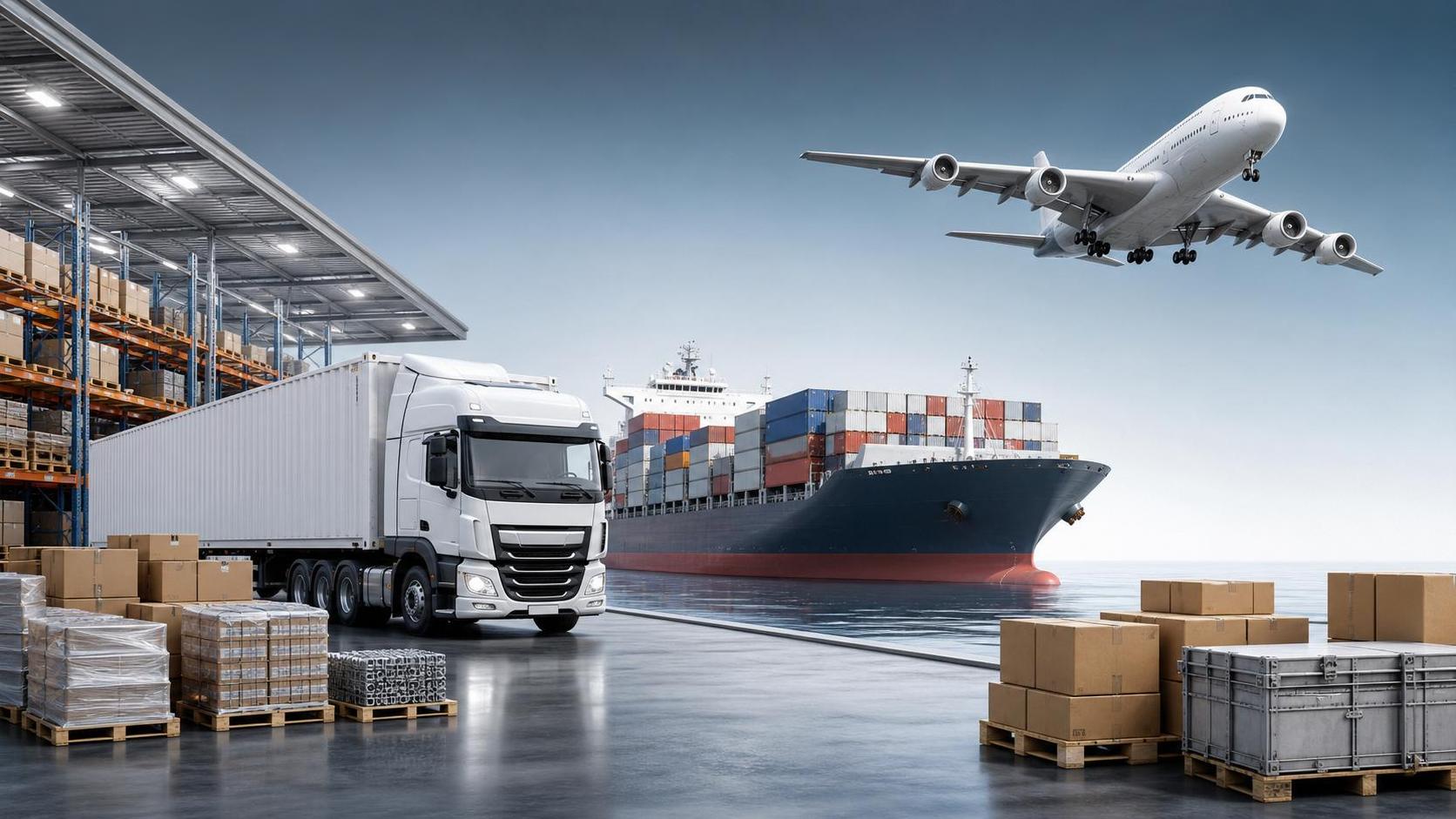
Freight transportation management sits at the center of modern project delivery. When materials, components, or finished equipment move across borders and production stages, freight decisions shape cost, timing, and risk at the same time.
That is why the topic matters far beyond logistics teams. In industrial projects, manufacturing programs, metals procurement, and global trade operations, freight execution often decides whether planning assumptions hold up in reality.
At its core, freight transportation management means organizing how goods move, what they cost, who controls each step, and where problems can disrupt flow. Good decisions improve schedule reliability, protect margin, and reduce avoidable escalation.
What freight transportation management really covers
The phrase is broader than booking trucks or comparing freight rates. It includes mode selection, routing, carrier coordination, documentation, customs timing, warehouse handoff, shipment visibility, and exception response.
In practice, freight transportation management connects purchasing plans with physical execution. A sourcing strategy may look efficient on paper, but transport constraints can change total landed cost, lead time, and inventory exposure.
This is especially relevant in cross-border supply chains. A container delay, a port rollover, or incomplete export paperwork can ripple into production downtime, missed milestones, and contract pressure.
For a B2B information environment like Baozhen Industrial Intelligence Portal, the value of this topic is clear. It links industrial operations, manufacturing efficiency, metal supply movement, trade compliance, and supply chain resilience into one operational decision set.
Why the issue is drawing more attention
Freight has become harder to treat as a routine back-office function. Capacity swings, fuel volatility, port congestion, geopolitical shifts, and compliance changes now affect day-to-day execution more directly.
At the same time, industrial supply chains are more specialized. Heavy equipment, fabricated metals, oversized parts, temperature-sensitive materials, and high-value components each create different transport requirements.
Digitalization also raises expectations. Teams increasingly want shipment visibility, milestone alerts, cost traceability, and data that supports supplier evaluation. Freight transportation management is no longer only about movement. It is also about control.
This explains why logistics efficiency now appears alongside procurement strategy, factory planning, and global trade risk management in many business decisions.
The main transport modes and where they fit
Mode choice is one of the most visible parts of freight transportation management, but it should never be reduced to a simple price comparison. Each mode carries different timing, flexibility, and disruption patterns.
Road freight
Road transport offers flexibility for short and medium distances, factory pickups, regional distribution, and final delivery. It works well when schedules change frequently or delivery windows are tight.
The trade-off is exposure to traffic, driver availability, tolls, and fuel costs. In some markets, compliance and documentation quality also vary by carrier.
Ocean freight
Ocean shipping remains essential for global trade and bulk industrial movement. It is usually the most economical option for large volumes, metal products, machinery, and non-urgent replenishment.
However, lower unit cost can hide schedule risk. Port congestion, transshipment delays, blank sailings, and container imbalance can stretch lead times more than expected.
Air freight
Air transport supports urgent shipments, critical spare parts, product launches, and recovery plans after delays. It is often chosen when the cost of late delivery exceeds the freight premium.
Its weakness is obvious: high rates, strict dimensional rules, and limited suitability for heavy or low-margin cargo.
Rail and intermodal
Rail and intermodal solutions can balance cost and sustainability on selected corridors. They are often useful for predictable volumes, inland repositioning, and routes where road cost pressure is rising.
Still, these options depend heavily on terminal coordination, timetable discipline, and local infrastructure quality.
Where freight costs actually come from
Freight spend is rarely just the quoted transport rate. Effective freight transportation management looks at the full cost stack around movement.
The visible layer includes base freight, fuel surcharges, peak season adjustments, handling fees, detention, demurrage, customs brokerage, and delivery charges. Those items can be measured and negotiated.
The less visible layer is often more expensive. Rush shipping caused by poor planning, split deliveries, idle labor at receiving sites, inventory carrying cost, and line stoppage risk can quickly outweigh a lower initial quote.
For metals, machinery, or industrial components, packaging and cargo protection also matter. Inadequate packing can create claims, corrosion, deformation, or rejection on arrival.
A practical cost review should ask not only, “What is the freight rate?” but also, “What execution pattern does this rate create?” That is often where the real economics of freight transportation management appear.
Control points that deserve close attention
Most freight failures do not begin on the road, at sea, or in the air. They begin earlier, at handoff points where accountability becomes unclear.
Order and shipment readiness
Cargo must be truly ready when transport is booked. Quantity mismatches, incomplete labels, poor packaging, or missing certificates often trigger avoidable delays.
Documentation accuracy
Commercial invoices, packing lists, HS codes, origin details, and carrier instructions need alignment. Small data errors can create customs review, rework, and storage charges.
Milestone visibility
Tracking should cover more than departure and arrival. Pickup confirmation, terminal entry, customs clearance, transshipment, final delivery appointment, and proof of delivery all matter.
Exception response
Delays happen. The real difference lies in response speed, alternate routing logic, and decision ownership. Without this, visibility tools only report bad news faster.
- Define who owns booking, documentation, customs, and delivery confirmation.
- Set alert thresholds for delay, dwell time, and cost deviation.
- Review recurring exceptions by lane, supplier, and carrier.
- Connect freight data with procurement and inventory planning.
How freight management affects real business decisions
Freight transportation management shapes more than delivery performance. It influences supplier selection, Incoterms strategy, production sequencing, warehouse capacity, and even market responsiveness.
For example, a lower-priced overseas source may lose its advantage if ocean transit is unstable and emergency air freight becomes routine. A nearby supplier may appear more expensive, yet deliver better total cost control.
In project-based environments, freight also affects milestone confidence. Large equipment, steel structures, cable systems, and mechanical assemblies often arrive in sequence. One missed shipment can hold up installation crews and dependent tasks.
That is why many teams now treat freight as part of operational planning, not only as a downstream service purchase.
A practical way to evaluate the next move
Improving freight transportation management does not always require a complete system overhaul. It often starts with sharper visibility into a few recurring decision points.
Map the highest-value lanes first. Compare planned lead times with actual lead times. Separate quoted freight cost from exception-driven cost. Then identify where delays begin: supplier readiness, carrier performance, documentation, or customs handling.
It also helps to track freight alongside adjacent indicators. Inventory turns, receiving delays, order fulfillment stability, and claims frequency often reveal whether transport problems are isolated or systemic.
For organizations following industrial markets, manufacturing shifts, trade policy, and supply chain risk, this broader view matters. Freight is not a separate topic. It is an operating signal connected to sourcing, compliance, and execution discipline.
The next useful step is to build a simple review framework by mode, lane, supplier, and exception type. Once those patterns are visible, freight transportation management becomes easier to compare, control, and improve with confidence.
- global trade
- trade policy
- industrial intelligence
- trade compliance
- supply chain resilience
- manufacturing
- metals
- steel
- metal products
- customs clearance
- supply chain
- logistics
- procurement
- supply chain risk
- transportation management
- logistics efficiency
- Incoterms
- ocean freight
- air freight
- trade risk management
- industrial operations
- freight management
- procurement strategy
- sourcing strategy
- manufacturing efficiency
- supplier evaluation
- freight transportation management
Related Intelligence