
Smart Manufacturing Architecture Explained: From Edge Devices to MES Integration
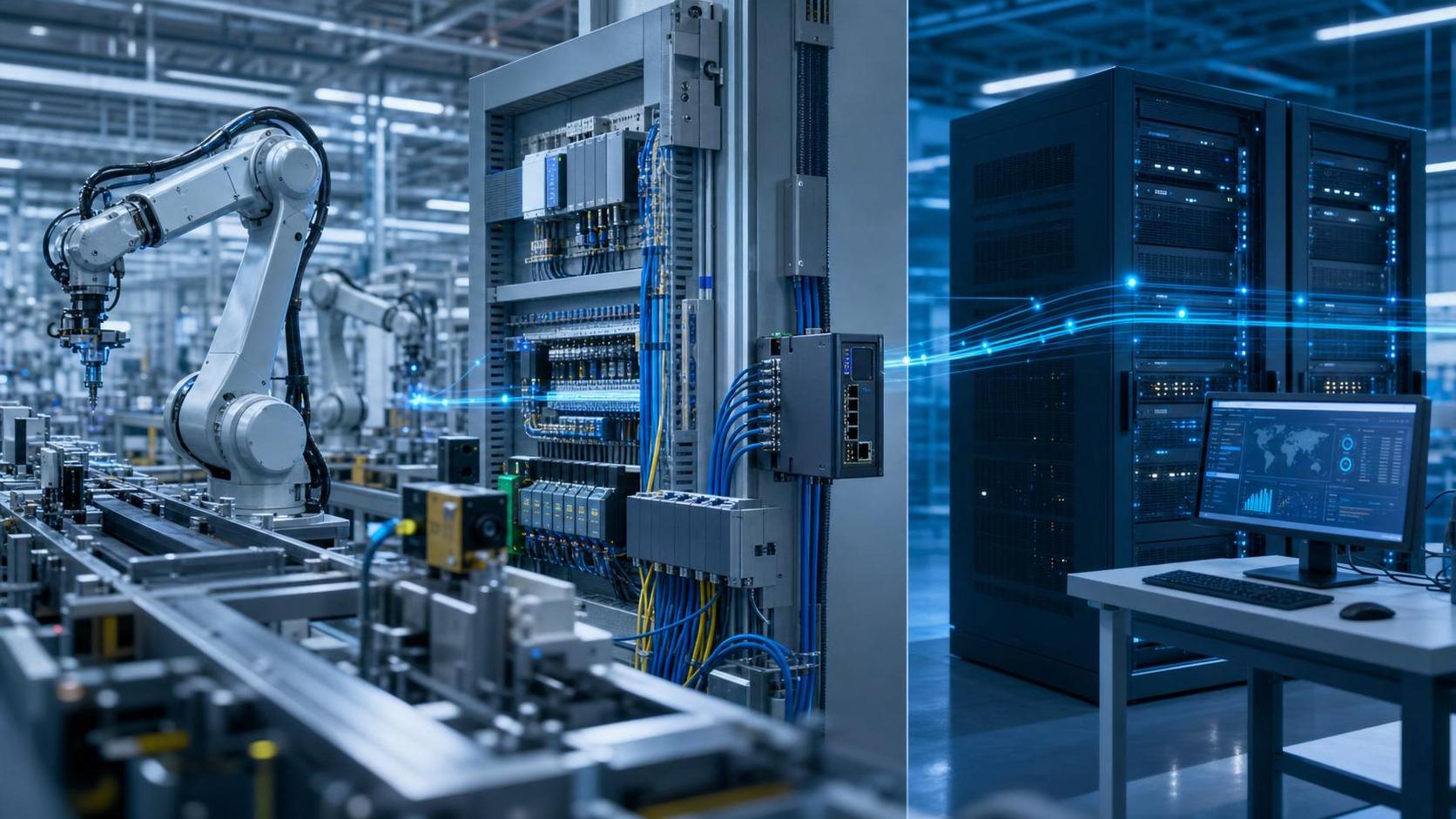
Why does smart manufacturing architecture matter so early in a digital transformation?
Smart manufacturing architecture is not just a diagram for IT teams. It is the working structure behind factory data, control, traceability, and system response.
When architecture is weak, data stays trapped in machines, software platforms disagree, and production decisions arrive too late to help operations.
A stronger setup connects edge devices, industrial networks, control systems, MES, ERP, and analytics in a way that supports scale instead of creating new silos.
That is why smart manufacturing architecture matters during technical evaluation, not after procurement. It defines whether future automation will be manageable or expensive to untangle.
In practice, this topic also reaches beyond one plant. It affects sourcing consistency, supplier visibility, maintenance planning, compliance records, and cross-site reporting.
Platforms focused on industry, manufacturing, metals, trade, and supply chain often track this issue closely because architecture shapes how factory decisions connect with broader business operations.
What does smart manufacturing architecture actually include?
A useful way to read smart manufacturing architecture is from the shop floor upward. Each layer has a different job, and confusion usually starts when those roles overlap.
At the bottom: machines, sensors, and edge devices
This layer captures physical activity. PLCs, sensors, drives, cameras, RFID readers, and gateways collect signals about speed, temperature, downtime, quality, and material flow.
Edge devices matter because they process data near the equipment. That reduces latency and keeps critical control tasks independent from cloud interruptions.
In the middle: industrial communication and supervision
Industrial Ethernet, fieldbus protocols, OPC UA, MQTT, SCADA, and historians move and organize operational data. This is where visibility starts to become usable.
If this layer is inconsistent, smart manufacturing architecture may look connected on paper while remaining fragmented in daily production.
At the upper level: MES, ERP, and business systems
MES translates production events into workflows such as scheduling, dispatching, traceability, quality checks, and work-in-progress control.
ERP manages orders, inventory, purchasing, costing, and finance. In a healthy smart manufacturing architecture, MES bridges plant reality and enterprise planning.
That bridge is critical in sectors with volatile materials, strict delivery windows, or complex multi-step fabrication, including metals and component manufacturing.
Where does MES integration become the turning point?
Many factories already have machines, networks, and some data collection. The real turning point often comes when MES integration begins.
Without MES, production data may be visible but not actionable. Operators can see alarms and counts, yet planning, quality, maintenance, and traceability remain disconnected.
With MES integration, smart manufacturing architecture starts coordinating what should be made, what is being made, and what actually happened.
This difference becomes obvious in three common situations:
- A quality issue appears and lot-level traceability is needed within minutes.
- Production plans change because material delivery or export timing shifts.
- Several lines use different machine brands and need one reporting logic.
In these cases, MES is less about software labels and more about execution discipline. It standardizes events, timestamps, work orders, quality rules, and operator actions.
That is also why industrial information platforms often discuss MES together with supply chain and trade topics. Execution data influences delivery reliability and compliance evidence.
How can you judge whether a smart manufacturing architecture is practical or just impressive on slides?
The quickest test is to ask how data moves during a real production exception. Architecture becomes credible when the answer is specific, timed, and system-based.
The table below helps separate attractive concepts from workable smart manufacturing architecture.
A practical smart manufacturing architecture usually looks simpler than expected. Its value comes from clear data ownership, stable interfaces, and predictable exception handling.
What mistakes appear most often during implementation?
One common mistake is chasing full digitalization before defining the production decisions that need support. Data volume grows, but operational value stays low.
Another mistake is treating MES integration as a simple connector project. In reality, MES requires process rules, master data discipline, and agreement on event definitions.
There is also a recurring gap between OT and IT priorities. OT protects uptime and control stability. IT emphasizes governance, interoperability, and security.
Smart manufacturing architecture fails when one side dominates and the other joins too late.
A few warning signs deserve early attention:
- No clear boundary between real-time control and business reporting.
- Custom interfaces are expanding faster than documented standards.
- Traceability logic depends on manual input at critical points.
- Downtime reasons, scrap codes, and quality events lack shared definitions.
- Architecture decisions ignore future supplier, logistics, or compliance reporting needs.
In broader industrial operations, these gaps later affect procurement accuracy, shipment reliability, and audit readiness, not only factory dashboards.
How should the next evaluation step be framed?
The best next step is rarely to compare software brands first. It is to map the production workflow, system boundaries, and decision points that the architecture must support.
Start with a narrow but business-relevant use case. For example, traceability by lot, downtime classification, recipe control, or order-to-production confirmation.
Then verify which layers already exist, which interfaces are stable, and where MES integration will create the most operational discipline.
A grounded smart manufacturing architecture should answer four things clearly:
- Which data must stay local for control speed and reliability.
- Which production events must feed MES in real time.
- Which business records must synchronize with ERP and supply chain systems.
- Which standards will keep future expansion manageable.
That approach fits the way industrial intelligence platforms organize knowledge: connect factory execution with procurement, trade, materials, and supply chain consequences.
In short, smart manufacturing architecture should be judged by whether it improves control, visibility, and execution across the full industrial chain.
Before moving forward, it helps to document required outcomes, compare integration paths, confirm implementation risks, and define measurable checkpoints for the first rollout stage.
Related Intelligence