
Manufacturing Execution Systems Explained: Functions, Data Flow, and ERP Integration
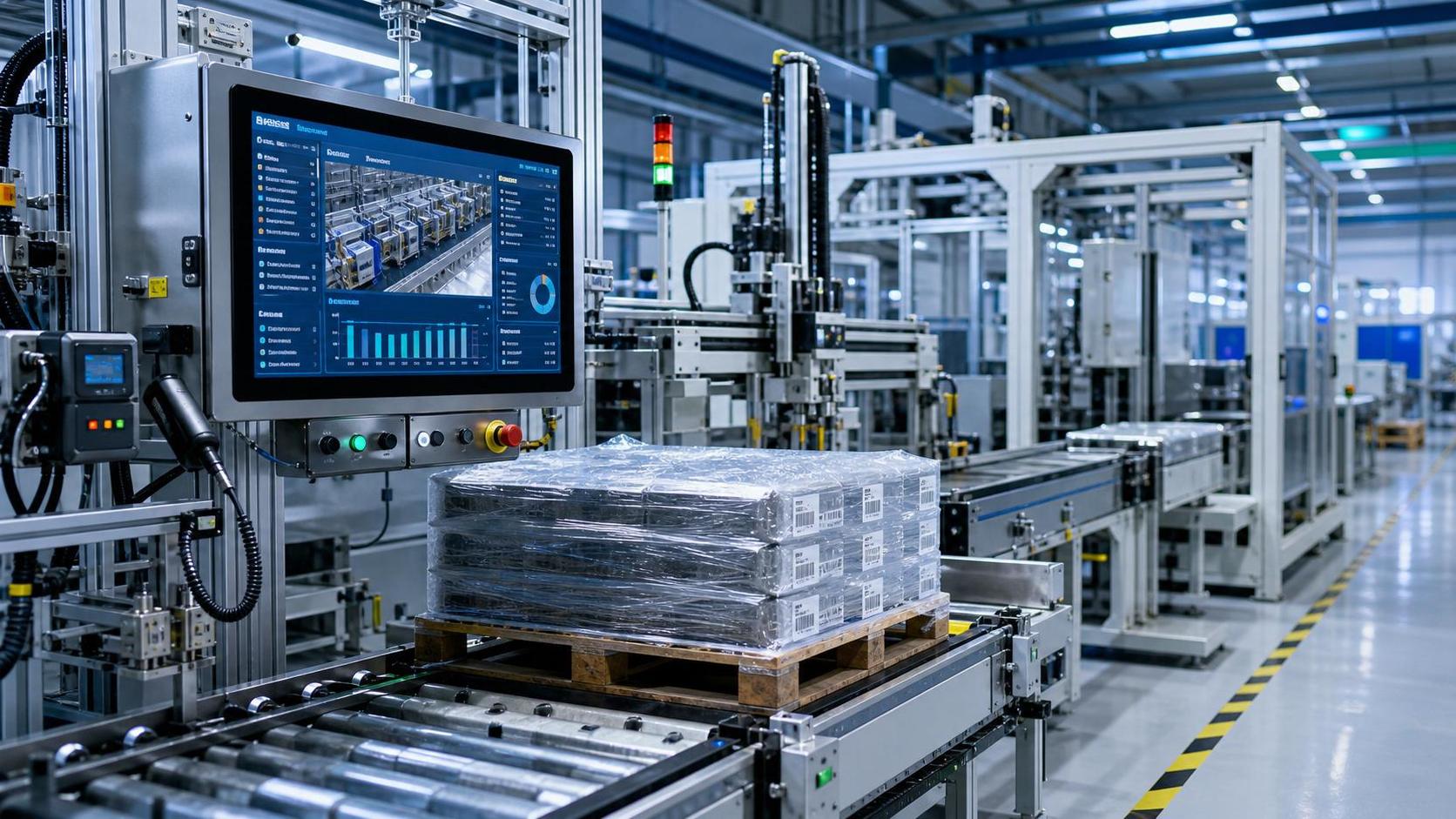
Manufacturing execution systems sit between production planning and machine-level activity, turning shop floor events into usable operational intelligence. That role matters more now because factories are being asked to improve traceability, quality, responsiveness, and cost control at the same time.
In practical terms, manufacturing execution systems help connect orders, materials, people, equipment, and quality records in one execution layer. For organizations evaluating digital transformation, the real question is not whether MES sounds advanced, but whether it can create a reliable flow of decisions from planning to production and back to management systems.
Where MES fits in the factory stack
An MES is not a replacement for ERP, and it is not the same as SCADA, PLC control, or a warehouse platform. Its purpose is narrower and more operational.
ERP manages business planning, purchasing, inventory value, finance, and high-level production orders. Control systems run machines and collect signals. Manufacturing execution systems coordinate what should happen during production, while recording what actually happened.
That distinction is important in industries where production conditions shift by hour, operator, batch, tool state, or material lot. A schedule may look correct in ERP, yet the shop floor can still lose output through changeovers, waiting time, rework, or missing material confirmations.
From the perspective of an industrial information platform like Baozhen Industrial Intelligence Portal, this is where factory digitalization becomes concrete. The value is not in the software label alone, but in whether execution data can support better manufacturing, supply chain visibility, sourcing decisions, and cross-functional risk control.
Core functions that define manufacturing execution systems
Most manufacturing execution systems share a common group of capabilities, although the depth varies by industry and vendor.
Production dispatching and work order control
MES releases work orders to lines, workstations, or cells with more detail than ERP usually provides. That can include operation sequence, routing, operator instructions, tool requirements, and completion rules.
Real-time data collection
This function captures machine states, production counts, downtime reasons, cycle times, labor inputs, scrap, and process values. Data may come from automation devices, handheld terminals, barcode scans, or manual confirmations.
Quality execution
Manufacturing execution systems often embed in-process inspections, nonconformance records, SPC checkpoints, sampling rules, and hold-release workflows. This matters when quality needs to be verified before the next process step proceeds.
Traceability and genealogy
In batch and discrete manufacturing, MES can link raw material lots, semi-finished items, process steps, test results, and final shipments. That record becomes critical during audits, warranty claims, export compliance checks, or recall investigations.
Performance monitoring
OEE dashboards often get attention, but the more useful point is operational causality. Good manufacturing execution systems show why output changed, where constraints emerged, and which losses are repeatable.
How data flows through MES
The strongest MES projects are built around data flow logic, not only screens and reports. If the data path is weak, even a feature-rich platform will produce limited value.
A common flow starts with ERP sending production orders, BOM references, planned quantities, due dates, and resource assumptions. The MES then translates those plans into executable operations.
During production, the system receives confirmations from operators, terminals, sensors, and machines. It records material consumption, start and finish times, downtime events, test results, deviations, and scrap reasons.
Once validated, the MES returns execution results upstream. ERP may then update order status, inventory movements, labor bookings, batch closure, or cost records.
This loop becomes more valuable when combined with warehouse systems, maintenance platforms, or supply chain analytics. For example, production interruptions linked to late material arrival or unstable raw material quality can move from anecdotal complaint to documented pattern.
Why integration quality matters
Many MES implementations struggle because interfaces are treated as a technical afterthought. In reality, integration defines process trust.
- If routing data is inconsistent, execution instructions become unreliable.
- If material master records are incomplete, traceability breaks quickly.
- If feedback timing is delayed, planners keep working with outdated capacity signals.
- If event definitions differ by site, performance comparisons lose meaning.
Why industry attention is increasing
Interest in manufacturing execution systems is rising because production complexity is rising. Product variants are growing, compliance pressure is tightening, and delivery windows are becoming less forgiving.
There is also more pressure to connect factory operations with broader supply chain decisions. A production issue is rarely isolated anymore. It may influence shipment dates, overseas customer commitments, inventory turns, customs documentation, or raw material replenishment timing.
This is especially visible in sectors covered by Baozhen Industrial Intelligence Portal, including metals, OEM manufacturing, industrial automation, and global trade. In those environments, execution quality shapes both operational efficiency and commercial reliability.
A metal fabricator, for example, may need tighter batch genealogy because material standards, price volatility, and export requirements affect both production and customer acceptance. MES becomes relevant not as an isolated IT investment, but as infrastructure for disciplined execution.
Where manufacturing execution systems create the most value
The best fit usually appears where planning and reality diverge frequently, and where that divergence is expensive.
Batch industries
Food, chemicals, coatings, and some metal treatment processes benefit from recipe control, lot tracking, deviation handling, and quality holds.
Discrete assembly
Automotive components, industrial equipment, and electronics often need serial traceability, station-level confirmations, and rework control.
High-mix manufacturing
When product variety changes frequently, MES helps standardize execution while preserving flexibility at the line level.
Regulated or audit-heavy operations
Where documentation quality matters as much as physical output, manufacturing execution systems reduce dependence on fragmented spreadsheets and handwritten records.
What to evaluate before selecting an MES
A useful MES evaluation starts with process discipline, not vendor slides. The goal is to test whether the software matches actual execution logic.
- Map which decisions must happen in real time and which can remain in ERP.
- Check whether master data is clean enough for routing, materials, tools, and quality parameters.
- Define the minimum traceability unit: batch, lot, serial number, pallet, or container.
- Review how downtime, scrap, and rework are currently classified.
- Test integration paths with ERP, automation devices, and warehouse transactions.
- Measure usability on the shop floor, where speed and clarity matter more than dashboard aesthetics.
It is also worth checking implementation scope. Some factories need a full MES layer. Others may gain faster value from focused capabilities such as electronic work instructions, digital quality records, or traceability first.
ERP integration should support decisions, not only transactions
ERP integration is often described as a data exchange project, but that framing is too narrow. The stronger objective is decision alignment.
When MES and ERP are well connected, production progress, inventory status, and quality disposition become visible across functions. Planning becomes more realistic. Procurement can react sooner. Shipment commitments become more credible.
That broader effect matters in global operations, where execution issues can cascade into supplier rescheduling, warehouse congestion, export paperwork errors, or customer delivery disputes. In that sense, manufacturing execution systems support not only factory control, but wider operational resilience.
A practical way to move forward
The most reliable next step is to start with one production flow and examine where information currently breaks. That may be at material issue, machine downtime capture, in-process quality release, or order completion feedback.
From there, build an MES assessment around business-critical questions: which events must be captured, who uses the data, how fast it must travel, and what decisions improve when the signal becomes trustworthy.
For organizations tracking smart manufacturing, industrial upgrading, metals processing, and supply chain coordination, manufacturing execution systems deserve attention because they expose the real operating layer between plan and result. A sound evaluation is less about chasing software trends and more about judging whether execution data can become a dependable asset for the factory and the wider business.
- industrial automation
- smart manufacturing
- factory digitalization
- industrial equipment
- factory operations
- OEM manufacturing
- material standards
- global trade
- export compliance
- industrial intelligence
- industrial upgrading
- supply chain visibility
- manufacturing
- metals
- supply chain
- procurement
- production planning
- quality management
- supply chain analytics
- manufacturing execution systems
Related Intelligence