
Which Gearbox Material Lasts Longest in Harsh Environments?
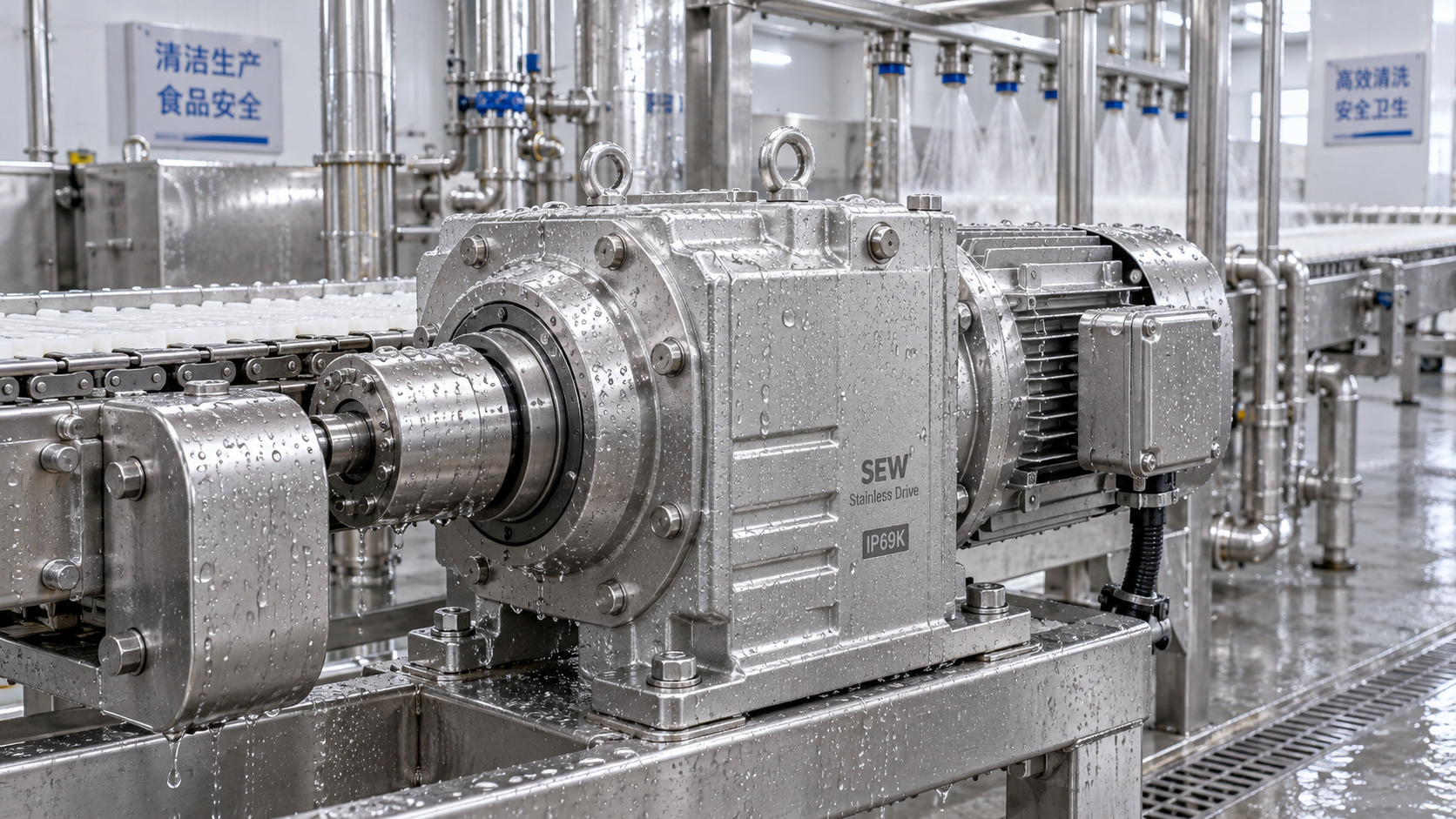
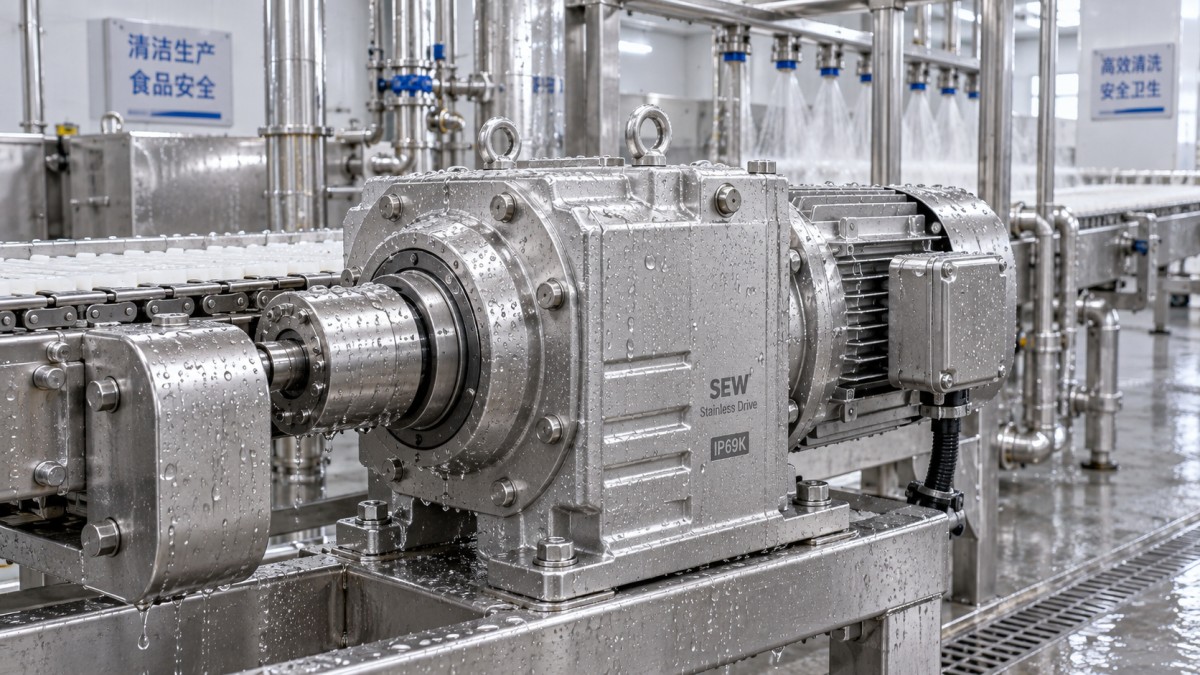
For gearboxes exposed to repeated washdown, humidity, or salt spray, a suitably specified stainless steel housing often provides the longest service life against external corrosion. For heavy loads, vibration, and impact, cast iron or ductile iron housings can be a more durable choice. Inside the gearbox, properly heat-treated alloy steel gears are generally the strongest starting point for demanding load and wear conditions.
The answer therefore depends on which component is failing and what “harsh” means in your operation. A corrosion-resistant housing cannot compensate for contaminated oil, an overloaded gear set, or damaged seals. Buyers comparing materials should separate external protection from internal mechanical life, then evaluate the complete gearbox against the dominant failure mechanism.
Does “gearbox material” mean the housing or the gears?
This distinction changes the selection immediately. The housing supports bearings, maintains shaft alignment, contains lubricant, and protects internal components. Its material must withstand the surrounding environment while remaining sufficiently rigid under operating loads. External corrosion, cracked mounting points, distorted bearing seats, and damaged sealing surfaces can all shorten its useful life.
The gears experience repeated tooth contact and bending stresses. Their durability depends on the steel grade, heat treatment, tooth geometry, surface finish, lubrication, and operating load. A housing described as stainless steel may contain alloy steel gears, conventional bearing steels, and seals with entirely different temperature and chemical limits.
A material description on a quotation may refer only to the casing. Before comparing service life, establish the materials used for the housing, gears, shafts, exposed fasteners, and other wetted or exposed parts. For worm gearboxes, also check the wheel material: a hardened steel worm paired with a suitable bronze wheel is a deliberate tribological combination, and replacing the bronze with a harder material does not automatically improve durability.
For procurement purposes, there are two separate questions: which housing survives the environment, and which gear set survives the duty cycle? A reliable selection must answer both.
Which housing material lasts longest in corrosive or wet environments?
Stainless steel: a strong candidate for frequent washdown
Stainless steel is often the best housing choice where moisture and cleaning repeatedly attack painted surfaces. Its corrosion resistance does not depend entirely on an applied coating remaining intact, which can be valuable around seams, mounting interfaces, and areas exposed to routine handling.
However, “stainless steel” is an incomplete specification. Grade, surface condition, fabrication quality, and chemical exposure all matter. A molybdenum-containing grade such as 316 generally offers better resistance to chloride pitting than 304, but neither is immune to attack. Salt accumulation, stagnant liquid, crevices, temperature, and aggressive cleaning solutions can undermine an otherwise suitable housing.
For coastal equipment or food-processing washdown, examine the whole exterior. Drainable surfaces, accessible cleaning areas, compatible fasteners, and well-protected shaft interfaces help prevent local corrosion. A stainless casing with vulnerable accessories can still require frequent repairs.
Coated cast iron: durable when the protective system survives
Cast iron housings can perform well in wet industrial environments when the coating is matched to the exposure and maintained. Their rigidity and vibration damping are useful for demanding mechanical service. If coating damage remains limited and repairs are practical, a coated iron housing may offer a sound balance of durability and cost.
The weakness appears where scratches, chipped edges, or poorly protected interfaces expose the underlying metal. Persistent moisture can then promote corrosion, including beneath adjacent coating. Corrosion near a gasket face, bearing fit, or mounting surface matters more than superficial discoloration on a noncritical area.
When comparing coated iron with stainless steel, consider how often the gearbox will be cleaned, struck, handled, or accessed for maintenance. An installation with constant chemical washdown and little opportunity for coating repair presents a different choice from a sheltered, intermittently damp conveyor drive.
Aluminum: useful, but exposure must be defined
Aluminum housings offer low weight and good thermal conductivity. They can be durable in applications where the alloy, surface treatment, and structural design suit the operating conditions. Their protective oxide layer helps in many environments, but it does not make every aluminum housing suitable for salt exposure or chemical cleaning.
Chlorides can cause localized corrosion, and strongly acidic or alkaline cleaners may attack the material. Contact with dissimilar metals in the presence of moisture can also create galvanic corrosion risks. Coatings, fastener selection, isolation details, and drainage therefore deserve attention.
For a compact drive with moderate loads and controlled cleaning, aluminum may be entirely appropriate. Where aggressive chemicals or persistent salt deposits dominate, stainless steel often warrants closer consideration.
Which materials withstand heavy loads, shock, and abrasive conditions?
For heavily loaded equipment, housing stiffness and resistance to structural damage become central. Cast iron is a strong candidate because a properly designed casing can maintain bearing alignment and damp vibration. Ductile iron offers greater ductility and toughness than gray cast iron, which can be useful where impact or sudden load changes are significant.
These advantages still depend on construction. Wall thickness, ribbing, bearing support, mounting geometry, and casting quality influence performance. A material name alone cannot establish whether a casing will tolerate a stalled conveyor, repeated reversing, or an abrupt process jam.
For internal gears, case-hardened alloy steels are a strong choice for high contact stresses and demanding fatigue service. Carburizing can produce a hard wear-resistant surface over a tougher core. Through-hardening, induction hardening, or nitriding may be appropriate for other designs and duty conditions. The process must suit the gear size, geometry, required properties, and loading.
“Harder” does not automatically mean “longer-lasting.” Excessive brittleness, an unsuitable hardened depth, grinding damage, or poor tooth contact can reduce life. A useful specification addresses surface hardness, effective hardened depth where applicable, core properties, and the controls used to verify the finished gears.
Abrasive environments introduce a different problem. Dust outside the housing becomes damaging when it enters the lubricant or wears exposed sealing surfaces. Hard gears can still suffer accelerated wear when oil carries abrasive particles through bearings and tooth contacts. For mines, cement plants, and dusty bulk-handling equipment, exclusion and contamination control can contribute more to service life than changing the housing material.
Do extreme temperatures change the material choice?
Yes, although the first limiting component may be the lubricant or seals. At high operating temperatures, oil viscosity falls and oxidation can accelerate. Elastomers may harden, soften, or lose sealing performance depending on their formulation and exposure. A mechanically sound metal housing provides little protection from those failures.
Aluminum’s thermal conductivity can help move heat through a housing, but actual gearbox temperature also depends on surface area, airflow, mounting, efficiency, lubricant quantity, and cooling arrangements. It is unsafe to assume that an aluminum unit will run cooler than an iron unit of a different design.
At low temperatures, lubricant viscosity can raise starting resistance and delay effective lubrication. Seal flexibility and the low-temperature toughness of structural materials also require attention. A gearbox that starts outdoors after a cold overnight shutdown faces different demands from one operating continuously in a temperature-controlled building.
Ask for the permitted ambient range and operating oil temperature for the complete assembly. Where temperatures are severe, the supplier should explain any required lubricant changes, heaters, cooling provisions, or load restrictions. The material recommendation should follow that assessment.
Why can a premium material still deliver a shorter gearbox life?
A premium casing can solve the wrong problem. If previous failures involved bearing damage from water ingress, changing from coated iron to stainless steel may improve the exterior while leaving the failure mechanism largely intact. Shaft seals, breathers, joints, and maintenance practices still determine whether water reaches the oil.
Likewise, an enclosure ingress rating describes performance under specified test conditions. It does not by itself establish resistance to every cleaning chemical, hot washdown procedure, sustained immersion, or worn-seal condition. Match the supplier’s protection claims to the actual cleaning pressure, temperature, spray direction, and exposure duration.
Load selection can also overwhelm a good material choice. Average torque may conceal frequent starts, reversals, shock peaks, or operation near stall. Incorrect alignment, excessive overhung shaft loads, and unsuitable mounting can damage bearings and alter gear contact even when the gearbox is nominally large enough.
Lubrication deserves similar scrutiny. The oil must provide suitable viscosity under operating conditions and remain compatible with the gear materials, seals, and any coatings it contacts. For bronze worm wheels, lubricant compatibility is particularly relevant. Water contamination, poor replenishment, and inappropriate oil levels can defeat an otherwise durable gear set.
The most useful evidence is the condition of the failed component. External rust points toward environmental protection; pitted teeth may indicate contact fatigue, corrosion, or lubrication problems; worn seal tracks suggest an ingress pathway. Establishing the mechanism makes the next material decision more precise.
What should buyers request before accepting a durability claim?
Start with a short operating description that allows suppliers to evaluate the same conditions. Include the driven equipment, torque and speed profile, starts and reversals, shock events, ambient conditions, cleaning chemicals, dust exposure, and expected maintenance access. Describe where the existing gearbox fails if a replacement is being considered.
Then request evidence tied to those conditions:
- Housing specification: exact material grade, surface treatment, coating system where used, and restrictions on chemical exposure.
- Gear specification: material, heat-treatment route, relevant quality controls, and the basis for load capacity under the proposed duty.
- Ingress protection: seal arrangement, breather provisions, exposed shaft protection, and the conditions covered by any testing claims.
- Thermal suitability: allowable ambient and oil temperatures, lubricant requirements, and any cooling or starting provisions.
- Service provisions: inspection access, coating repair requirements, oil monitoring options, and availability of replacement seals and bearings.
Be cautious with a service-life estimate that has no stated operating assumptions. Material certificates confirm composition; they do not establish gearbox life. Corrosion testing can help compare protective systems, but accelerated exposure results should not be converted directly into years of field operation. A useful life claim explains the duty, maintenance requirements, and failure criterion behind it.
Which material should you choose for your application?
For frequent wet cleaning or corrosive outdoor exposure, begin with a suitable stainless steel housing and examine chemical compatibility, drainage, fasteners, and shaft sealing. For high torque, vibration, and impact in an environment where corrosion can be controlled, begin with a well-designed cast iron or ductile iron housing and appropriately heat-treated alloy steel gears. For compact equipment where weight and heat transfer matter, evaluate aluminum against the actual load and exposure.
In abrasive locations, prioritize keeping contamination out. In temperature extremes, establish the limits of the lubricant, seals, bearings, and complete assembly before selecting the casing. These conditions often determine whether a nominally superior material delivers any practical increase in life.
The decision becomes clearer when the requirement is written around a failure mechanism: resist the specified washdown chemicals, maintain alignment under the stated shock loads, or prevent dust and water from contaminating the oil. That gives suppliers a concrete duty to evaluate—and gives buyers a defensible basis for choosing the gearbox most likely to last.
Related Intelligence