Industrial Automation Systems Cost Breakdown: Hardware, Software, Integration, and Maintenance
Industrial Automation Systems Cost Breakdown: Hardware, Software, Integration, and Maintenance
Understanding industrial automation systems cost is essential for evaluating ROI, capital allocation, and long-term operating impact.
From hardware and software to integration and maintenance, each cost layer shapes project feasibility, payback period, and risk exposure.
A clear breakdown helps compare vendors, challenge assumptions, and avoid budget surprises after approval.
In practice, industrial automation systems cost is rarely a single equipment quote. It is a full lifecycle investment.
Why Industrial Automation Systems Cost Varies So Much
Two projects can share the same goal and still have very different budgets.
The main reason is scope. A standalone machine upgrade costs far less than a plant-wide control architecture.
Another factor is process complexity. Continuous production lines usually need tighter control, redundancy, and compliance features.
Legacy systems also push costs higher. Old wiring, incompatible PLC platforms, and undocumented logic increase engineering hours.
This also means the lowest quote may simply exclude the difficult parts.
The Four Main Cost Layers
Most industrial automation systems cost can be grouped into four layers.
- Hardware: control devices, field instruments, panels, drives, networks, and safety components.
- Software: PLC programming, SCADA, HMI, MES links, historian tools, and licenses.
- Integration: design, installation, testing, commissioning, and production transition support.
- Maintenance: spares, support contracts, updates, troubleshooting, and staff training.
Financial review becomes easier when each layer is priced separately and tied to operational outcomes.
Hardware Cost: The Most Visible Part
Hardware is usually the first number buyers see, but it is only one part of industrial automation systems cost.
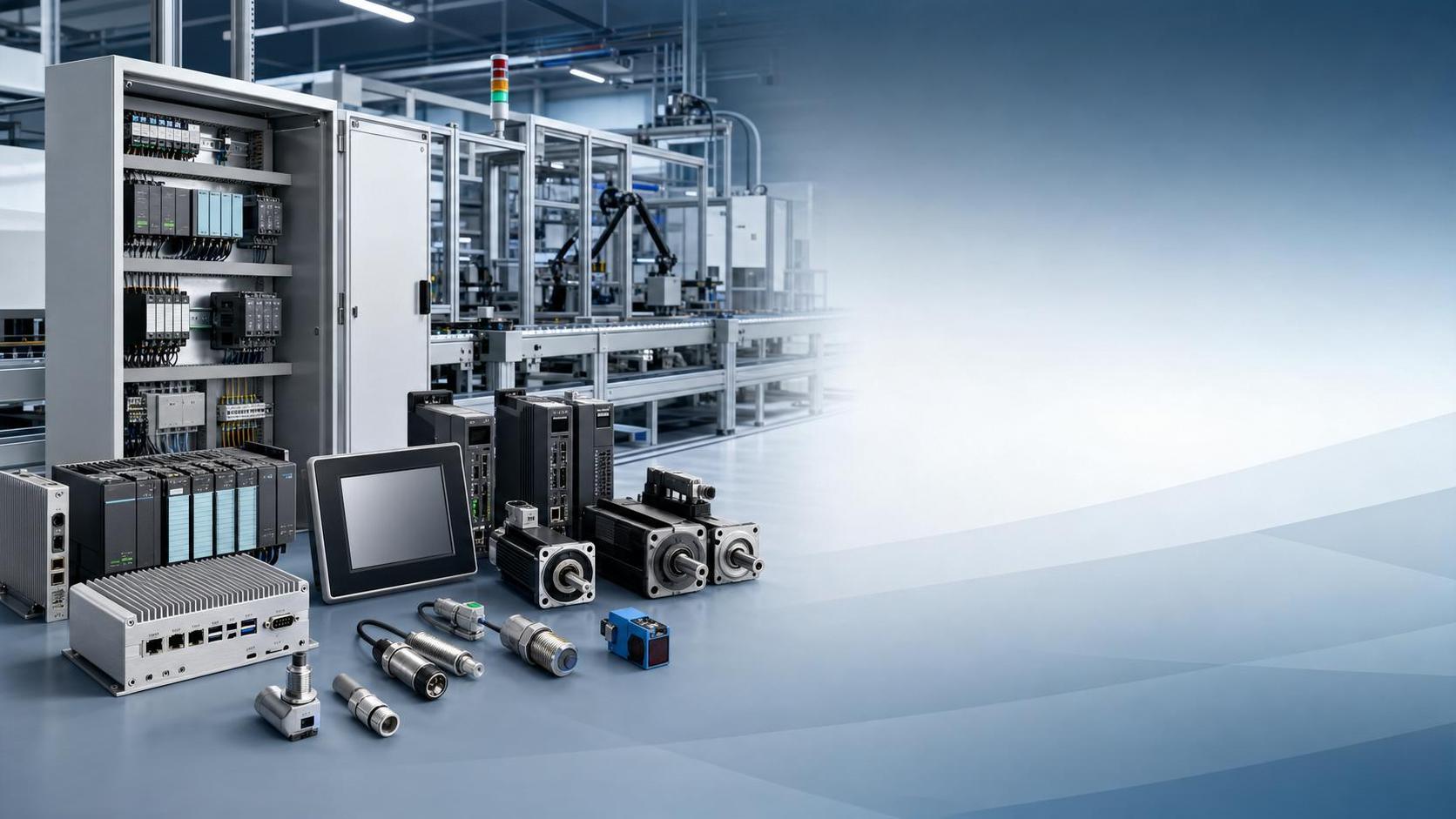
Typical hardware categories include PLCs, sensors, servo systems, VFDs, motors, control cabinets, industrial PCs, and safety relays.
Network infrastructure matters too. Switches, industrial Ethernet, remote I/O, and cybersecurity appliances are often underestimated.
Costs increase when the environment is harsh. Heat, dust, vibration, washdown conditions, or hazardous areas require stronger components.
Lead times also affect budget. If standard parts are unavailable, substitutions or expedited sourcing can increase total project spend.
A useful check is to separate core production hardware from optional upgrades. That reveals where cost reduction is realistic.
Questions to ask on hardware pricing
- Are spare parts included in the initial scope?
- Does the quote include panel fabrication and factory testing?
- Are safety compliance items fully listed?
- Will future expansion require replacing current hardware?
Software Cost: Often Smaller Up Front, Bigger Over Time
Software cost is easy to underrate because it is less visible than cabinets and field devices.
Yet software can strongly influence industrial automation systems cost over the full lifecycle.
The budget may include PLC logic development, HMI screen design, SCADA configuration, database setup, and reporting functions.
Licensing models vary. Some platforms charge once. Others require annual subscriptions, support fees, or per-tag expansion costs.
Integration with ERP, MES, quality systems, or warehouse platforms can also add software engineering hours quickly.
More recently, cybersecurity and remote access management have become standard budget items rather than optional extras.
This is where cost comparisons should look beyond license price and examine supportability, openness, and upgrade path.
Common software cost drivers
- Number of screens, devices, and data points
- Need for historian, dashboards, or traceability
- Custom reporting and alarm logic
- Third-party system interfaces
Integration Cost: Where Budgets Frequently Move
Integration is often the least predictable part of industrial automation systems cost.
It covers site surveys, control design, wiring changes, installation labor, FAT, SAT, commissioning, and operator handover.
If production cannot stop easily, the project may require weekend shutdowns, phased cutovers, and temporary parallel operation.
Those constraints add labor, increase scheduling risk, and may delay benefits realization.
Integration cost also rises when documentation is poor. Missing drawings usually mean extra troubleshooting on site.
For approval teams, this is the category that deserves the strongest contingency planning.
Warning signs in integration quotes
- Large amounts listed as “TBD” or “allowance”
- No shutdown plan or commissioning timeline
- No responsibility matrix between vendors
- No clear acceptance test criteria
Maintenance Cost: The Number That Protects ROI
Maintenance is where a cheap project can become expensive later.
Long-term industrial automation systems cost includes preventive maintenance, critical spares, software updates, calibration, and vendor support.
Training matters as well. If internal teams cannot diagnose faults, every disruption depends on outside service.
Obsolescence is another hidden issue. Some low-cost platforms have weaker part availability after a few years.
That risk should be converted into expected replacement cost, not treated as a technical footnote.
A practical lifecycle view often changes which proposal is actually the best value.
Hidden Costs That Commonly Distort Approval Decisions
Several cost items sit outside the main quote but still belong in the business case.
- Production downtime during installation or debugging
- Utility upgrades for power quality, air, or cooling
- Validation and compliance documentation
- Cybersecurity hardening and network segmentation
- Travel costs for specialist commissioning teams
- Change orders caused by incomplete early specifications
From a financial perspective, these items can decide whether a project stays within target payback or slips beyond it.
A Practical Cost Comparison Framework
When comparing proposals, a simple total price ranking is usually misleading.
A better method is to score industrial automation systems cost across common decision dimensions.
This framework makes vendor discussions more objective and reduces the chance of approving an incomplete proposal.
How to Control Industrial Automation Systems Cost Without Creating New Risk
Cost control works best early, before engineering and procurement start moving.
- Define the operating target clearly, including throughput, quality, safety, and data visibility.
- Standardize preferred platforms where possible to lower training and spare part complexity.
- Separate must-have scope from future-phase enhancements.
- Request line-item pricing for hardware, software, integration, and maintenance.
- Add contingency for legacy issues and startup disruption.
- Evaluate lifecycle support before approving the lowest initial bid.
In real operations, disciplined scope control usually saves more than aggressive component downgrading.
That is especially true when uptime and repeatability directly affect customer delivery performance.
Final Takeaway
Industrial automation systems cost should be reviewed as a lifecycle structure, not a purchase price snapshot.
Hardware gets attention first, but software, integration, and maintenance often decide actual return.
A disciplined breakdown reveals hidden costs, exposes weak quotes, and improves procurement confidence.
For industrial buyers navigating factory upgrades, digitalization, and supply chain pressure, better cost visibility leads to better timing and better approvals.
The most useful next step is simple: require every automation proposal to show full lifecycle cost by layer before it reaches final review.
Related Intelligence