
Trade Tariffs: Key Risks Before Signing Contracts
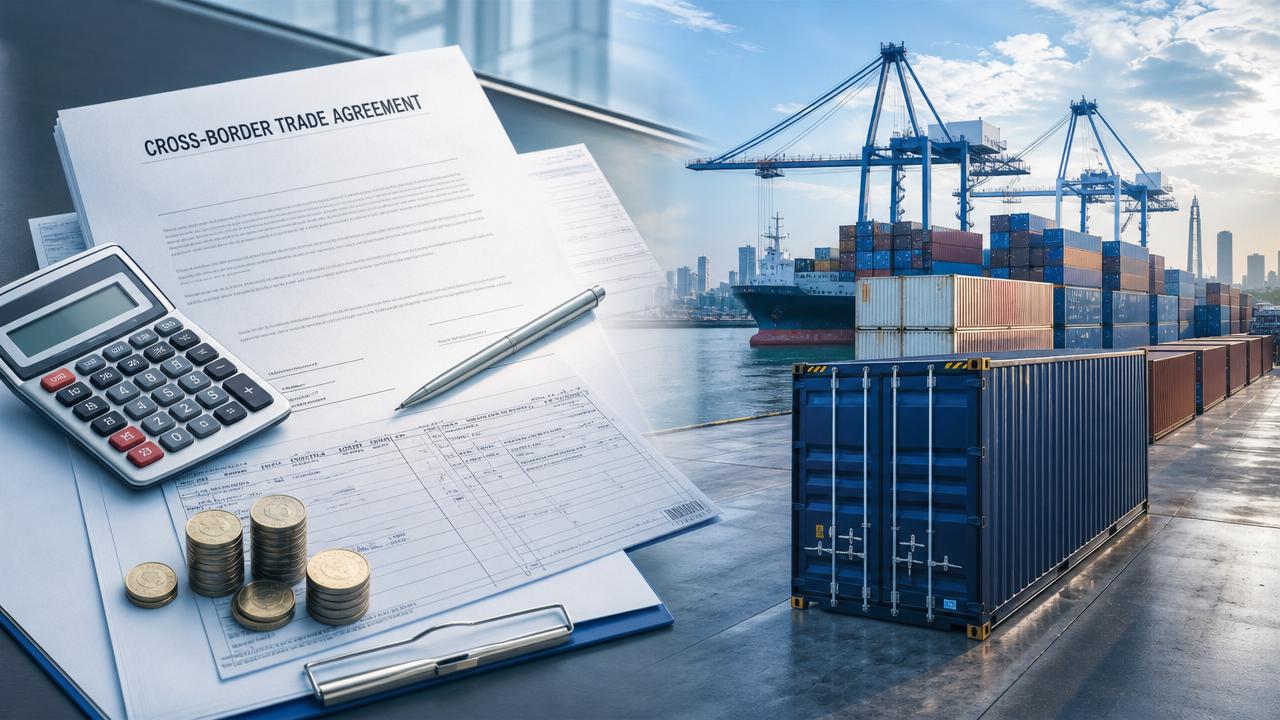
Trade tariffs can turn a profitable cross-border deal into a costly liability if they are not assessed before contract signing.
For business evaluators, tariff exposure is not only a customs issue. It affects pricing, sourcing, compliance, delivery planning, and supply chain resilience.
This article explains the key tariff-related risks companies should review before committing to international contracts in a volatile global trade environment.
Trade Tariffs Are Becoming a Contract-Level Risk
Global trade rules are shifting faster than many contract cycles. A quote valid today may become inaccurate after a tariff adjustment.
Trade tariffs now influence landed cost, supplier selection, payment terms, customs documentation, and final customer commitments.
For industrial goods, metals, machinery, electronics, chemicals, and consumer components, small tariff changes can reshape deal economics.
The risk is not limited to import duty. It may involve anti-dumping duties, safeguard measures, retaliatory tariffs, and origin-based restrictions.
Before signing, companies need a structured review of trade tariffs, rather than relying on historical duty rates or informal assumptions.
Policy Volatility Is the First Warning Signal
Recent global trade policy has become more fragmented. Governments use tariffs to protect industries, respond to disputes, and influence sourcing behavior.
This creates uncertainty for companies planning long-term orders, annual supply agreements, or fixed-price export contracts.
Trade tariffs may change during production, shipment, customs clearance, or after goods arrive at the destination market.
The longer the delivery cycle, the greater the exposure to tariff changes before revenue is secured.
Industrial contracts involving customized equipment, steel products, automation systems, or engineered parts often face this timing risk.
Key signals that require closer review
- New trade investigations involving the product category or material input.
- Public consultations on tariff increases or import controls.
- Changes in free trade agreement rules or origin criteria.
- Rising political pressure around strategic industries or critical materials.
- Frequent customs reclassification disputes in the destination country.
Why Trade Tariffs Are Harder to Predict
Tariff exposure is becoming more complex because products, suppliers, and trade routes are more interconnected.
A finished product may include raw materials from one country, components from another, and assembly in a third location.
This structure makes origin determination harder. It also increases the chance that trade tariffs apply unexpectedly.
The table shows why tariff checks must move upstream. Late discovery often leaves little room for renegotiation.
Pricing Exposure Can Erase Expected Margin
The most visible risk of trade tariffs is cost inflation. Yet the deeper issue is who carries that cost.
If contracts do not define tariff responsibility, disputes can arise when duties increase after signing.
A 5% tariff change may appear manageable. Combined with freight, insurance, currency movement, and storage, it can eliminate profit.
Companies should calculate landed cost under multiple scenarios before confirming price, delivery terms, or volume commitments.
Pricing items to test before signing
- Base duty rate under the proposed HS code.
- Additional trade tariffs linked to country of origin.
- Anti-dumping, countervailing, or safeguard duties.
- Value-added tax, customs fees, and local charges.
- Possible duty changes during production or shipment.
Tariff sensitivity analysis supports better pricing discipline. It also protects negotiations from overly optimistic assumptions.
HS Code Accuracy Determines Real Tariff Exposure
HS code classification is one of the most important steps in managing trade tariffs.
Incorrect classification can lead to underpaid duty, customs penalties, delayed clearance, or retroactive assessments.
For industrial products, classification may depend on function, material composition, processing level, accessories, and intended application.
Metal parts, automation equipment, electrical assemblies, and machinery components often require detailed technical descriptions.
Before contract signing, tariff review should include product drawings, specifications, material standards, and packaging details.
Classification checks that reduce disputes
- Confirm the HS code in both export and import markets.
- Compare duty rates across possible classifications.
- Review customs rulings for similar goods.
- Align invoice descriptions with technical documents.
- Keep evidence for future customs audits.
Trade tariffs cannot be managed properly if the tariff code is uncertain. Classification should not be treated as clerical work.
Country of Origin May Change the Entire Duty Result
Country of origin is another decisive factor. It affects preferential duties, punitive tariffs, and eligibility under trade agreements.
Origin is not always the same as shipping country. Customs authorities usually examine where substantial transformation occurred.
This matters when companies use regional assembly, outsourced processing, or multi-country sourcing models.
If origin documentation is weak, preferential tariff treatment may be denied at the border.
Trade tariffs linked to origin can also affect supplier comparison. A cheaper source may become expensive after duty calculation.
Origin questions to resolve early
- Where are the main materials produced?
- Where does the final transformation take place?
- Can the supplier provide valid origin certificates?
- Does the product meet free trade agreement rules?
- Could transshipment concerns trigger customs scrutiny?
Contract Terms Must Allocate Tariff Responsibility
Tariff exposure should be reflected in contract language. Otherwise, each side may interpret responsibility differently.
Incoterms help define delivery obligations. However, they do not always solve every issue involving trade tariffs.
Contracts should clarify whether prices include existing duties, future duty changes, or only export-side charges.
A tariff adjustment clause can reduce conflict when policy changes occur after signing but before customs clearance.
Clear terms make trade tariffs a managed commercial variable, not an unexpected dispute.
Supply Chain Decisions Should Include Tariff Scenarios
Tariff risk is also a supply chain design issue. Sourcing, routing, inventory, and production location all influence exposure.
A low-cost supplier may not be competitive when trade tariffs, lead time, and compliance risk are included.
Companies increasingly compare nearshoring, regional assembly, bonded warehousing, and dual sourcing to reduce tariff concentration.
For metals and manufacturing inputs, tariff changes may also affect replacement materials, minimum order quantities, and inventory safety levels.
Business areas affected by tariff movement
- Procurement budgets and supplier benchmarking.
- Production planning and component substitution.
- Export quotations and customer commitments.
- Warehouse location and inventory ownership.
- Cash flow planning for duty payment timing.
The best sourcing decision is not always the lowest unit price. It is the most reliable landed-cost structure.
A Practical Review Framework Before Signing
A tariff review does not need to delay every deal. It should be scaled to contract value, product sensitivity, and policy risk.
For repeat orders with stable duty history, a focused update may be enough. For new markets, deeper review is essential.
This framework helps convert trade tariffs from a late-stage customs surprise into an early commercial decision.
Key Points Companies Should Monitor Continuously
Tariff risk management should continue after signing. Policy updates, customs practice, and supply chain changes can alter exposure.
- Monitor official tariff schedules in destination markets.
- Track trade remedy investigations by product category.
- Update HS code records when products are modified.
- Refresh supplier origin documents regularly.
- Review landed cost when logistics routes change.
- Keep customs documentation aligned with commercial invoices.
Trade tariffs are dynamic. A contract signed with good information can become exposed if monitoring stops.
How to Respond When Tariff Risk Is Rising
When tariff pressure increases, companies should avoid rushed decisions based only on headline duty rates.
The better response is to compare cost, compliance, lead time, and operational feasibility together.
A disciplined response keeps trade tariffs within the decision framework instead of turning them into emergency costs.
Final Judgment Before Commitment
Before any international contract is signed, trade tariffs should be reviewed with the same seriousness as price and delivery terms.
The essential question is simple: can the deal remain profitable if tariff conditions move against expectations?
If the answer is unclear, the contract needs stronger pricing logic, better documentation, or more flexible sourcing options.
Baozhen Industrial Intelligence Portal focuses on practical global trade, manufacturing, metals, and supply chain analysis for industrial decision support.
Use a pre-signing tariff checklist, validate assumptions, and keep trade tariffs visible throughout sourcing, contracting, shipment, and customs clearance.
Related Intelligence