
Stainless Steel Corrosion Resistance by Environment
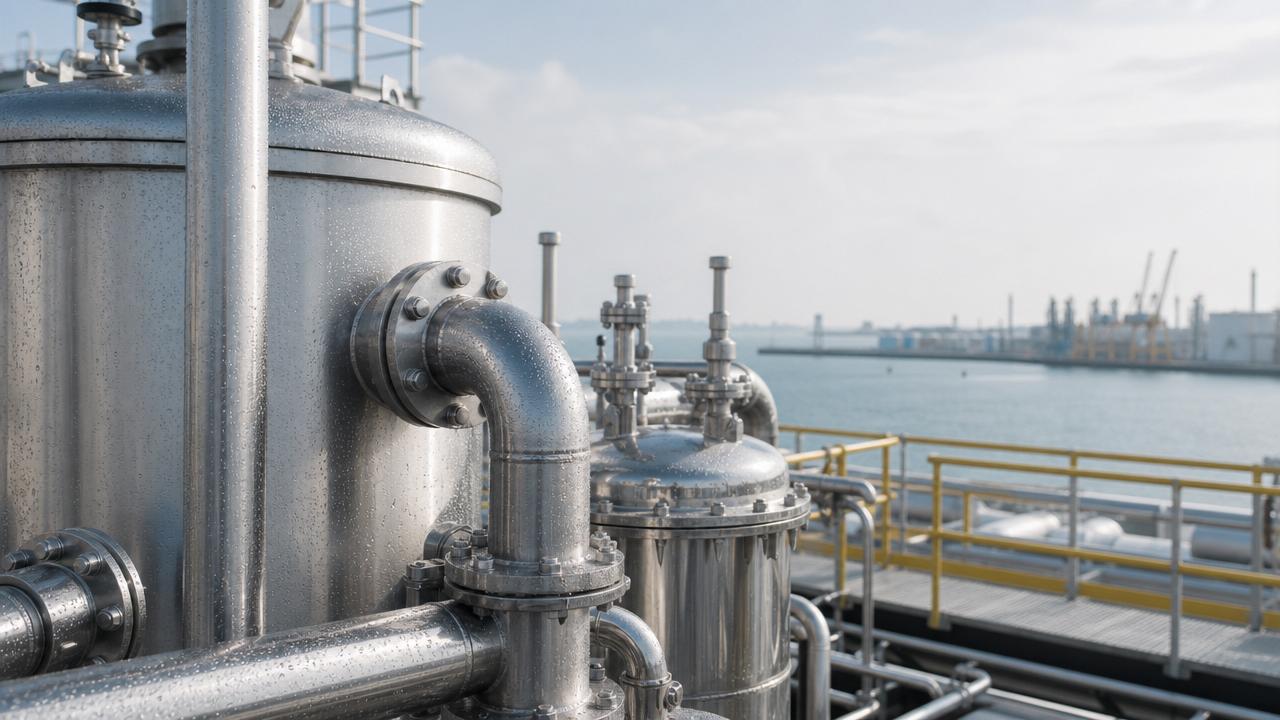
Understanding stainless steel corrosion resistance by environment is essential as industrial assets face harsher operating conditions, tighter reliability targets, and higher lifecycle cost pressure.
Different grades behave differently under chlorides, acids, humidity, temperature swings, and mechanical stress. A poor match can shorten service life dramatically.
For industrial equipment, infrastructure, marine systems, chemical processing, and supply chain facilities, stainless steel corrosion resistance is now a strategic material decision.
Environmental Exposure Is Becoming a Stronger Selection Signal
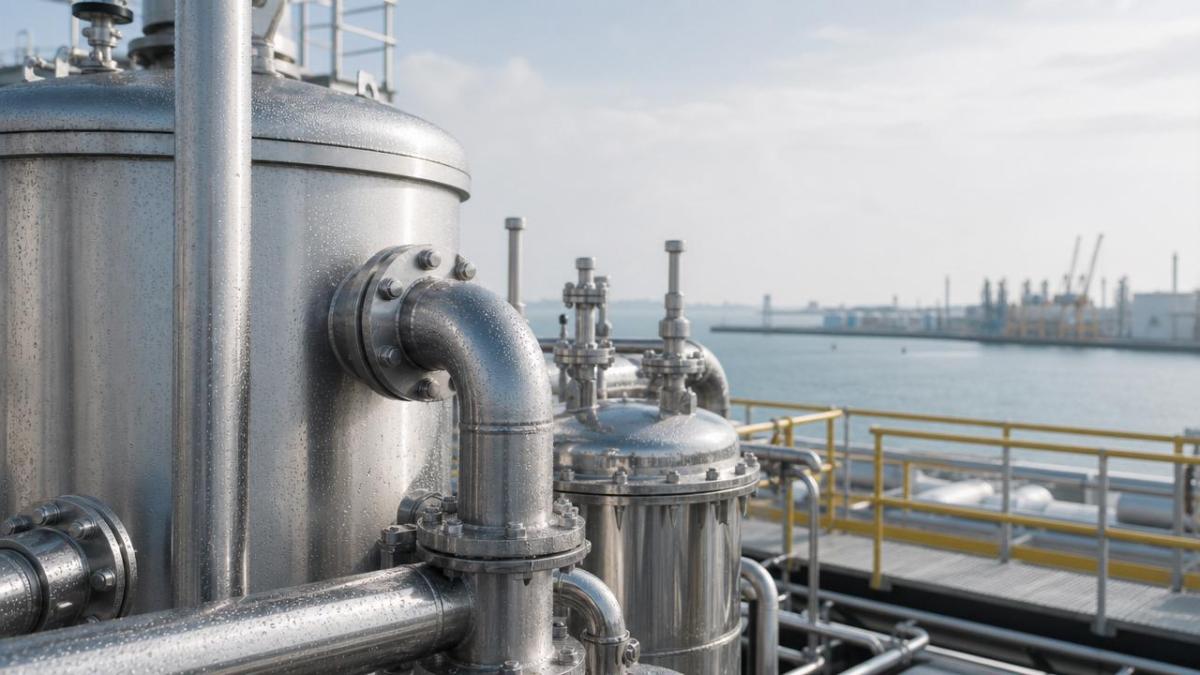
The market is moving from simple grade selection toward environment-specific evaluation. Stainless steel corrosion resistance can no longer be judged by grade name alone.
Global production, coastal infrastructure, chemical logistics, and energy projects expose materials to more complex combinations of moisture, salt, heat, and pollutants.
This change affects specifications, supplier qualification, maintenance planning, and long-term cost control across industrial and supply chain operations.
Stainless steel corrosion resistance is strongest when the passive chromium oxide film remains stable. Environmental chemistry determines whether that film survives.
When chlorides, low pH, deposits, or stagnant moisture attack the surface, localized corrosion may develop even on high-quality stainless steel.
Current Trend Signals in Industrial Material Decisions
A clear trend is visible: buyers increasingly ask how stainless steel corrosion resistance performs under actual operating environments, not only under laboratory standards.
Marine facilities want better chloride tolerance. Chemical plants want acid compatibility. Warehouses need humidity resistance. Food systems need cleanability and sanitation stability.
The same material may perform well indoors but fail near seawater, cooling towers, road salts, or acidic cleaning agents.
This gap is pushing technical teams to compare stainless steel corrosion resistance by exposure category before confirming drawings, purchase orders, or maintenance cycles.
Why Corrosion Behavior Changes by Environment
Stainless steel corrosion resistance depends on alloy chemistry, surface condition, oxygen availability, contaminants, temperature, and stress.
Chromium supports passivation. Nickel improves stability and toughness. Molybdenum improves resistance against chloride pitting, especially in marine and chemical environments.
Grade 304 is widely used in mild indoor environments. Grade 316 performs better where chlorides, salt spray, or industrial pollutants are present.
Duplex stainless steels offer higher strength and strong chloride resistance, but they require controlled welding and fabrication practices.
- Chlorides raise the risk of pitting and crevice corrosion.
- Acids can dissolve protective films and accelerate metal loss.
- High temperature increases reaction speed and stress corrosion risk.
- Stagnant zones trap contaminants and reduce oxygen renewal.
- Rough surfaces collect deposits and weaken stainless steel corrosion resistance.
Chloride-Rich Environments Are Driving Grade Upgrades
Chlorides are among the most important threats to stainless steel corrosion resistance. They appear in seawater, brine, road salt, cleaning solutions, and process water.
Pitting may start as small surface damage but can penetrate deeply. This makes it dangerous for tanks, pipes, fasteners, and structural components.
Crevice corrosion is also common under gaskets, lap joints, deposits, clamps, and shielded surfaces where oxygen cannot circulate.
For coastal applications, stainless steel corrosion resistance should be evaluated with chloride concentration, temperature, cleaning frequency, and surface finish together.
Grade 316 is often selected over 304 for chloride exposure. In harsher zones, duplex or higher-alloy grades may be more suitable.
Acid, Alkali, and Chemical Media Require Specific Compatibility
Chemical processing environments create another major test for stainless steel corrosion resistance. The same acid can behave differently at different concentrations and temperatures.
Sulfuric, hydrochloric, nitric, organic acids, caustic solutions, and mixed chemicals require separate review before material approval.
Some oxidizing acids support passivation, while reducing acids may attack stainless steel aggressively. This difference is critical in process equipment design.
Chemical compatibility charts are useful, but they should not replace testing under actual concentration, flow rate, temperature, and contamination conditions.
In chemical logistics, stainless steel corrosion resistance affects tank integrity, cargo purity, cleaning cycles, and regulatory compliance.
Humidity, Condensation, and Indoor Pollution Are Underestimated
Indoor exposure does not always mean low corrosion risk. Warehouses, workshops, tunnels, and plants can hold moisture and airborne contaminants.
Condensation forms when surfaces experience temperature changes. This thin moisture film can concentrate salts, dust, and industrial pollutants.
Stainless steel corrosion resistance is reduced when surfaces are not cleaned, drainage is poor, or deposits remain after fabrication.
For logistics and warehousing facilities, grade selection should consider humidity control, ventilation, cleaning methods, and storage near chemicals.
A polished or smooth finish usually improves stainless steel corrosion resistance by reducing dirt retention and supporting easier maintenance.
Heat and Mechanical Stress Are Raising Reliability Requirements
High temperature changes corrosion rates and can weaken passive film stability. It also increases the likelihood of stress corrosion cracking.
Stress corrosion cracking is especially important where tensile stress, chlorides, and elevated temperature exist together.
Welded structures need careful review because heat-affected zones, residual stress, and improper cleaning may reduce stainless steel corrosion resistance.
Post-weld cleaning, passivation, suitable filler metals, and controlled fabrication procedures are important for preserving corrosion performance.
In energy equipment, heat exchangers, pressure vessels, and exhaust systems, temperature exposure should be treated as a primary design factor.
Impacts Across Manufacturing, Trade, and Supply Chains
The shift toward environment-based evaluation affects product design, procurement, quality control, logistics, and after-sales risk management.
Material decisions increasingly influence warranty exposure, equipment uptime, export acceptance, and total ownership cost.
- Manufacturing teams must align grade, welding, forming, and finishing requirements.
- Sourcing teams need mill certificates, standards, and corrosion-related test evidence.
- Trade teams must understand destination climate and compliance expectations.
- Supply chains should avoid substitutions that reduce stainless steel corrosion resistance.
When global suppliers use different standards, grade equivalence must be checked carefully. Similar names may not provide identical corrosion performance.
Reliable stainless steel corrosion resistance depends on chemistry, processing history, surface finish, documentation, and application discipline.
Key Evaluation Points Before Specifying Stainless Steel
A practical specification should describe the environment, not only the material grade. This reduces ambiguity during sourcing and fabrication.
- Identify chloride level, acidity, humidity, temperature, and cleaning chemicals.
- Define whether exposure is continuous, intermittent, stagnant, or flowing.
- Review pitting, crevice corrosion, galvanic corrosion, and cracking risks.
- Confirm surface finish, passivation, pickling, and fabrication cleanliness.
- Check standards such as ASTM, EN, JIS, or project-specific requirements.
- Request documentation proving chemistry, mechanical properties, and traceability.
For critical assets, stainless steel corrosion resistance should be supported by testing, historical field data, or expert corrosion review.
Practical Response Strategies for Long-Term Performance
The best response is not always the most expensive grade. It is the grade that matches the exposure and maintenance reality.
Maintenance also matters. Regular washing, deposit removal, drainage improvement, and inspection can extend service life significantly.
Specifications should include acceptance criteria for surface defects, contamination, embedded iron, and post-fabrication cleaning.
Future Judgment Will Depend on Data and Application Evidence
Future material decisions will rely more on environmental data, supplier transparency, and proven field performance.
Digital maintenance records, inspection photos, corrosion mapping, and failure analysis will improve stainless steel corrosion resistance decisions over time.
Industrial projects should build feedback loops between design, sourcing, fabrication, operation, and maintenance.
This approach helps prevent repeated material failures and supports better sourcing decisions across international supply chains.
Baozhen Industrial Intelligence Portal will continue tracking metals, manufacturing, trade, and supply chain trends that affect material decisions.
Action Steps for Better Material Decisions
Start by mapping the real exposure environment before confirming stainless steel grades, drawings, or supplier quotations.
Then compare stainless steel corrosion resistance by chloride level, chemical media, temperature, surface finish, and maintenance access.
Request traceable material certificates, clarify fabrication requirements, and avoid undocumented substitutions in global sourcing channels.
For critical applications, combine standards review, environmental testing, and lifecycle cost analysis before final approval.
When stainless steel corrosion resistance is evaluated by environment, industrial assets gain stronger durability, safer operation, and more predictable cost control.
Related Intelligence