
When Intermodal Freight Beats Truck-Only Shipping on Cost
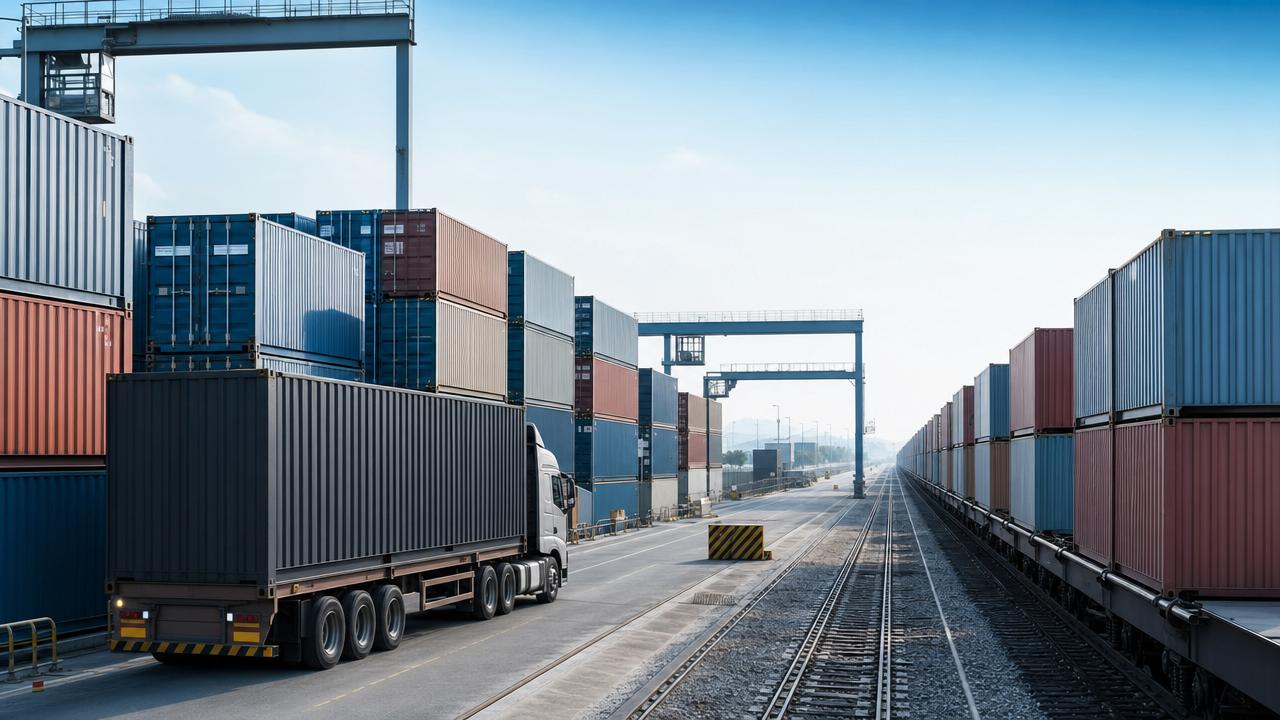
For finance approvers under pressure to cut landed costs without adding operational risk, Intermodal Freight can outperform truck-only shipping when distance, fuel exposure, and capacity constraints align. As freight markets become more volatile, the decision is no longer just about choosing the fastest mode. It is about identifying where rail-truck combinations reduce total transport cost, stabilize budgets, and improve network resilience without creating avoidable complexity.
Why cost comparisons are shifting in favor of Intermodal Freight
The cost gap between truck-only shipping and Intermodal Freight has become more visible in recent years. Fuel price swings, driver shortages, tighter emissions standards, and lane-specific congestion have made all-road transport less predictable on many long-haul routes. At the same time, rail networks, terminal systems, visibility tools, and container handling processes have improved enough to make intermodal solutions more practical for a wider range of cargo profiles.
This shift matters across the broader logistics ecosystem. In integrated trade corridors, transport decisions increasingly affect inventory strategy, sustainability reporting, customer service commitments, and even capital allocation. When companies evaluate Intermodal Freight against truck-only shipping, the real question is not whether rail is always cheaper. It is where the total economics work better after transit time, drayage, handling, risk buffers, and service consistency are all included.
The strongest trend signals behind this mode-choice change
Several market signals now support closer evaluation of Intermodal Freight. First, linehaul trucking rates remain vulnerable to labor and diesel volatility. Second, rail becomes increasingly competitive as distance rises, especially when lane balance and terminal access are favorable. Third, digital planning tools now make mode comparison faster and more defensible, allowing transport teams and finance functions to model true landed cost rather than relying on habit.
Another strong signal is infrastructure investment. Ports, inland terminals, and smart logistics platforms are improving the links between marine, rail, and road operations. That reduces some of the coordination gaps that historically limited intermodal adoption. In many regions, the better question is no longer “Can Intermodal Freight work?” but “Which lanes, product categories, and service windows create a cost advantage without harming service levels?”
What makes Intermodal Freight cheaper than truck-only shipping
The cost advantage of Intermodal Freight does not come from one factor alone. It comes from a different cost structure. Rail is typically more fuel-efficient over long distances, and that efficiency can outweigh the added transfer points between truck and rail. When trucking markets are tight, intermodal can also protect budgets by lowering exposure to spot rate spikes and scarce long-haul capacity.
In practical terms, Intermodal Freight often wins when shipments move far enough for rail savings to absorb drayage, terminal lifts, and slightly longer transit windows. It also performs well where shipment volumes are consistent, cargo is container-friendly, and planning can be done with a few extra days of lead time.
Where the economics usually start to favor rail-truck combinations
There is no universal mileage threshold, but many long-haul domestic and cross-border lanes begin to justify Intermodal Freight when transport distances are extended and service requirements are not same-day or highly urgent. The more expensive the truck linehaul becomes, the more attractive intermodal appears. This is especially true for dense freight, palletized goods, packaged consumer products, non-urgent industrial materials, and replenishment inventory with predictable flow patterns.
- Long-distance lanes with stable weekly demand
- Routes exposed to diesel price volatility
- Markets with recurring truck capacity shortages
- Freight that can tolerate modestly longer transit times
- Origin and destination points located near efficient rail ramps or inland terminals
By contrast, truck-only shipping still tends to remain stronger for highly time-sensitive freight, short-haul distribution, irregular low-volume movements, or shipments that face high damage risk from extra handling. A sound evaluation of Intermodal Freight depends on lane design, not broad assumptions.
The hidden cost factors that distort a simple rate comparison
A direct quote-to-quote comparison often misses the bigger picture. Some truck rates look attractive until detention, fuel surcharges, rebooking costs, or seasonal premium pricing appear. Some intermodal quotes look cheaper until terminal congestion, chassis availability, or weak drayage execution erode the savings. That is why a serious Intermodal Freight analysis should include total network effects rather than only the linehaul price.
The most common blind spots include inventory carrying cost, service failure penalties, dwell time, appointment compliance, and carbon-related reporting costs. As sustainability regulation and customer scorecards become more influential, Intermodal Freight can create indirect value beyond transport savings by helping reduce emissions intensity per shipment. That benefit may not show up on the carrier invoice, but it increasingly matters to total enterprise cost and strategic positioning.
Key drivers that should be modeled together
- Base linehaul rate and accessorial structure
- Drayage distance and terminal efficiency
- Transit-time difference versus delivery commitment
- Inventory buffer required for slower but cheaper modes
- Damage, claims, and service reliability history
- Fuel and emissions exposure over the planning horizon
How this shift affects broader business operations
Choosing Intermodal Freight can influence more than the transportation budget. It changes planning cadence, appointment discipline, and inventory timing. Warehousing operations may need to prepare for more structured inbound scheduling. Order promising may need slightly wider windows on selected lanes. Financial forecasting may become more stable because a portion of long-haul volume is moved away from the most volatile truck capacity segments.
From an infrastructure perspective, the rise of smart ports, inland hubs, and digital visibility platforms makes this shift more manageable. Better event tracking, terminal status data, and exception alerts reduce uncertainty in Intermodal Freight execution. This is important in a modern trade environment where mode decisions intersect with customs timing, cross-border flows, emissions goals, and broader supply chain resilience targets.
What deserves the closest attention before switching lanes
- Lane suitability: Confirm that distance, volume regularity, and terminal access support a realistic Intermodal Freight advantage.
- Transit tolerance: Measure whether customer commitments and internal replenishment cycles can absorb slightly longer lead times.
- Execution quality: Drayage performance, rail reliability, and exception visibility are as important as the headline rate.
- Cost discipline: Build comparisons using total landed cost, not only carrier bids.
- Risk segmentation: Reserve truck-only service for urgent, fragile, or highly variable freight while shifting stable flows into intermodal networks.
- Decarbonization value: Include carbon reporting and future compliance exposure in the business case.
A practical way to judge when Intermodal Freight should replace truck-only moves
A disciplined pilot usually delivers the clearest answer. Start with a small set of lanes where Intermodal Freight appears likely to beat truck-only shipping on cost. Track transit consistency, claims, dwell, budget variance, and service impact over multiple cycles. If the savings remain intact after real execution conditions are tested, lane conversion becomes a data-backed decision rather than a theoretical optimization exercise.
The next practical step is to build a lane-by-lane scorecard using total landed cost, rail ramp proximity, service tolerance, and emissions impact. In a market shaped by volatile transport inputs and rising infrastructure intelligence, Intermodal Freight is not simply an alternative mode. On the right corridors, it is a financial control tool, a resilience lever, and a smarter path to lower transport cost without defaulting to truck-only habits.
Related Intelligence