
Smart Warehouse Standards Checklist for System Planning
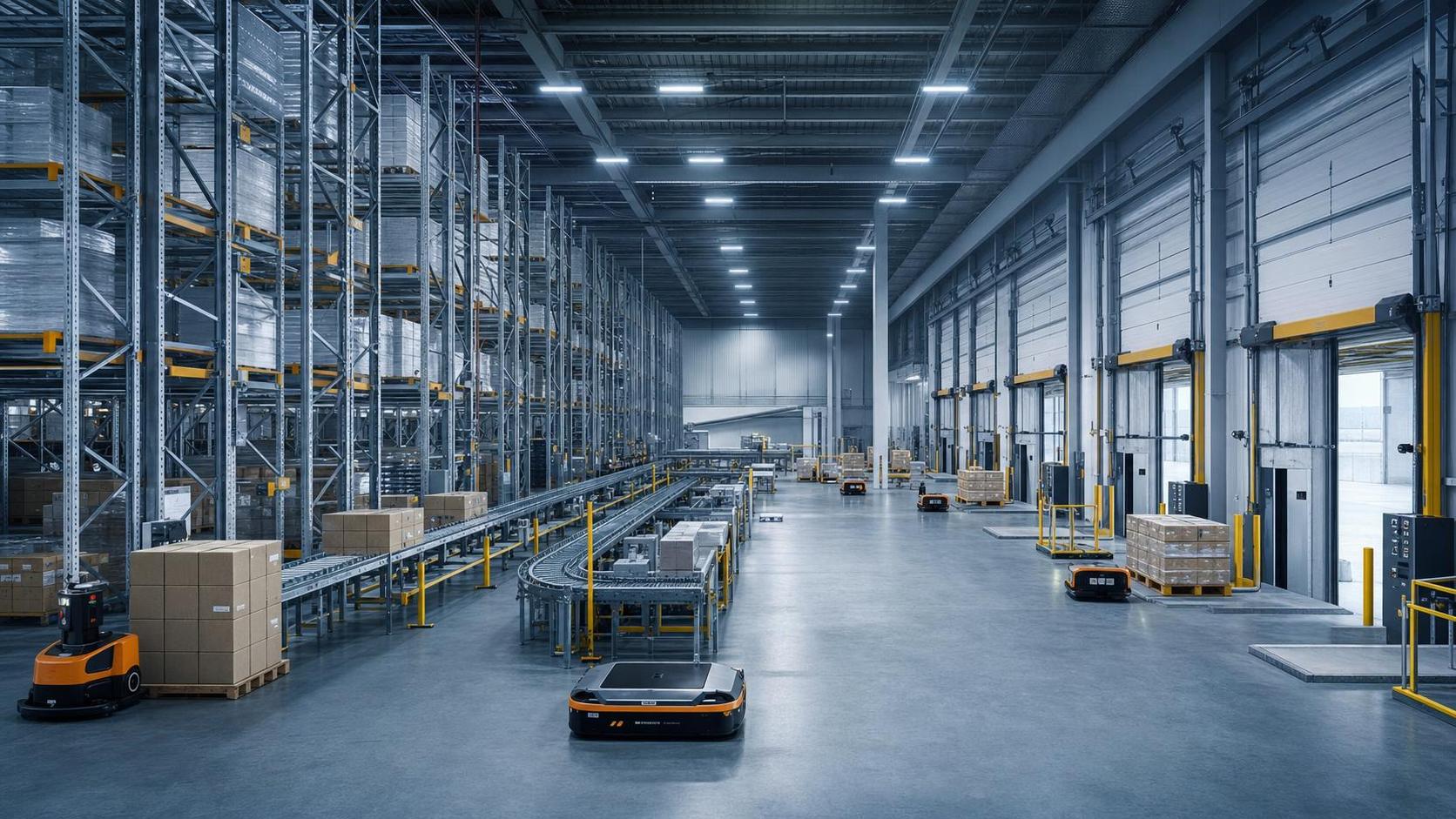
Smart Warehouse Standards shape how a warehouse is planned before any software is installed or any equipment is ordered.
For system planning, they turn broad automation goals into measurable requirements for layout, data flow, safety, and future expansion.
That matters more now because warehousing no longer sits at the end of operations.
It affects factory continuity, cross-border delivery, inventory accuracy, compliance, and the speed of supply chain response.
Across industrial automation, manufacturing, metals distribution, and global trade, a weak planning standard often leads to expensive integration fixes later.
Why planning standards deserve early attention
A smart warehouse is not defined only by robots, AS/RS systems, or barcode devices.
It is defined by whether each layer works together under clear operating rules.
Smart Warehouse Standards create those rules.
They guide equipment compatibility, storage density, throughput targets, network architecture, and traceability expectations.
In practice, system planning fails when projects jump too quickly into hardware selection.
The better sequence starts with standards, then process design, then technology matching.
This is especially relevant in environments handling mixed SKUs, metal products, export goods, spare parts, or temperature-sensitive materials.
Each scenario has different handling logic, risk points, and data needs.
What Smart Warehouse Standards usually cover
A useful checklist should not stop at technical terminology.
It should connect business objectives with physical and digital execution.
Process definition
Inbound, put-away, replenishment, picking, packing, staging, shipping, returns, and cycle counting need standardized logic.
Without that, automation only speeds up inconsistency.
Layout and material flow
Planning standards should define aisle width, rack load limits, turning radius, dock flow, and separation of people and machines.
These details influence both productivity and safety performance.
Data structure and integration
SKU master data, location coding, event timestamps, and interface rules between WMS, ERP, MES, and TMS should be defined early.
This is where many smart warehouse projects quietly lose control.
Safety and compliance
Smart Warehouse Standards must reflect fire zoning, emergency access, battery charging rules, lifting restrictions, and regional compliance requirements.
For export-linked operations, traceability and documentation control also become part of the standard.
Key checkpoints for technical comparison
When comparing system concepts, it helps to evaluate planning standards through a structured lens rather than vendor claims.
This approach aligns well with the decision style seen across industrial and supply chain analysis.
It emphasizes evidence, process fit, and operating risk instead of headline automation features.
Where standards create business value
The value of Smart Warehouse Standards is often easiest to see after a project goes live.
Still, the benefits can be estimated during planning.
- More stable inventory accuracy across manual and automated zones.
- Faster onboarding of new equipment or software modules.
- Lower redesign costs when order patterns change.
- Clearer compliance records for audits, trade documentation, and product recalls.
- Better coordination between factory production, warehouse execution, and outbound transport.
For metal products and industrial goods, standards are also tied to handling conditions.
Long materials, coils, fabricated parts, and mixed-load shipments need storage and movement rules that generic warehouse templates do not capture.
That is one reason cross-sector industrial coverage is useful.
Warehousing choices are often shaped by manufacturing constraints, commodity characteristics, and trade obligations at the same time.
Common planning mistakes behind weak standards
Many projects use the language of smart warehousing but still rely on incomplete planning assumptions.
The problems usually appear in a few recurring forms.
Treating software integration as a later task
If interface ownership is unclear, warehouse events cannot reliably support inventory, finance, transport, or production records.
Designing from average demand only
Peak periods expose weak conveyor sizing, labor buffers, and staging capacity.
Smart Warehouse Standards should be tested against extremes, not just normal days.
Ignoring exception flows
Damaged goods, short shipments, returns, quarantine stock, and customs holds often break system logic first.
A strong checklist accounts for these paths before launch.
Using standards without site context
A warehouse linked to export consolidation has different priorities than one feeding production lines every hour.
The standard must adapt to the operating role of the site.
How to apply the checklist in real projects
Usually, the most practical method is to build the checklist around decisions that cannot be cheaply reversed.
That includes building layout, core equipment interfaces, location coding, safety zoning, and traceability depth.
A planning team can then rank standards in three layers.
This layered view keeps Smart Warehouse Standards practical.
Not every rule needs the same level of control at the same time.
More importantly, it helps separate strategic design choices from settings that can improve later through data.
A useful next step for evaluation
A strong checklist starts with the operating model, not with a preferred technology brand.
Map the warehouse role within the wider supply chain.
Then define which Smart Warehouse Standards are non-negotiable for safety, data integrity, and process continuity.
After that, compare layout options, automation paths, and integration proposals against the same standard set.
This is also where broader industrial intelligence becomes valuable.
Market shifts, trade requirements, manufacturing changes, and logistics constraints can all affect system planning assumptions.
When Smart Warehouse Standards are reviewed in that wider context, warehouse investment decisions become more resilient, comparable, and easier to scale.
Related Intelligence