
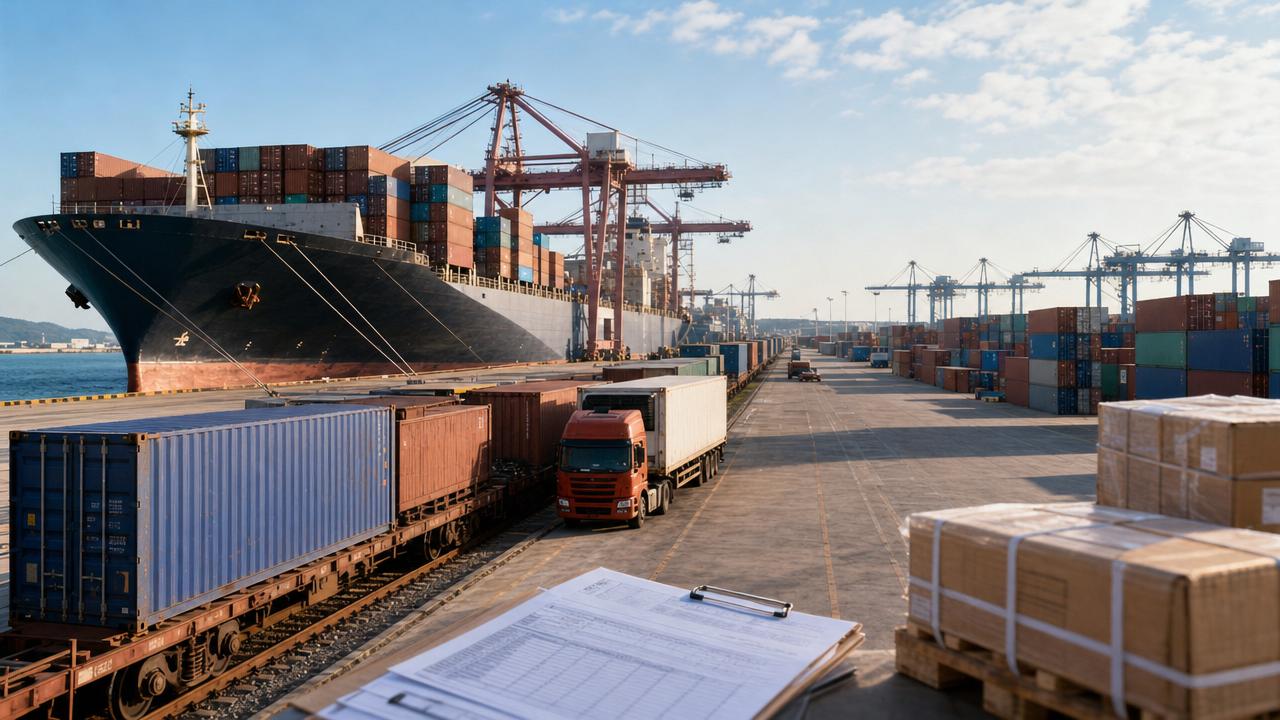
In 2026, multimodal transportation will remain essential for global buyers, manufacturers, and supply chain teams seeking faster, more flexible cross-border delivery.
Yet shifting fuel prices, port congestion, tariff changes, capacity imbalances, and compliance pressure may turn an efficient logistics model into a hidden cost risk.
For business evaluators, understanding where these risks emerge is critical for pricing accuracy, supplier selection, and long-term supply chain resilience.
Why cost risk matters more than base freight rates
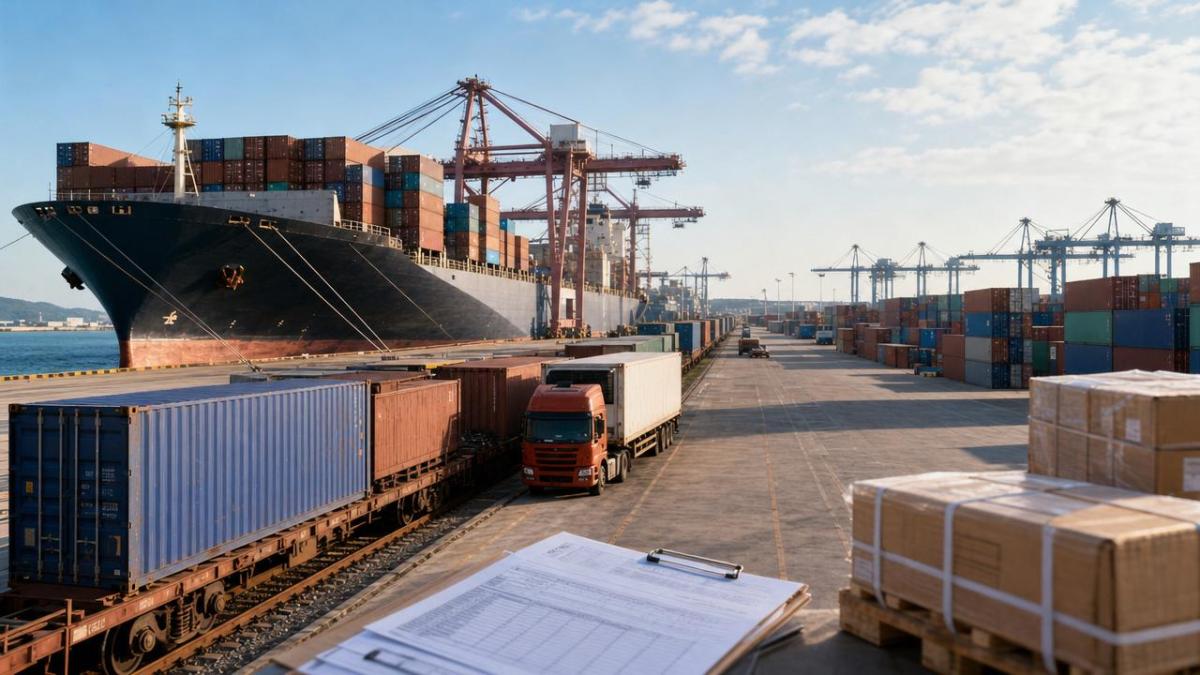
The main question for 2026 is not whether multimodal transportation is cheaper than single-mode shipping. The better question is whether total landed cost remains predictable.
Many buyers compare ocean, rail, road, and air legs by quoted freight rates. That method misses transfer fees, storage penalties, documentation delays, and disruption premiums.
Multimodal transportation can still reduce delivery time and improve routing flexibility. However, savings only appear when handoffs, schedules, liability, and customs steps are controlled.
For business evaluators, the risk is strategic. A small logistics variance can affect quotation accuracy, supplier competitiveness, inventory planning, and customer delivery commitments.
In 2026, companies should treat multimodal cost as a managed business variable, not a fixed logistics expense hidden inside procurement calculations.
The biggest cost drivers likely to shape 2026
Fuel volatility remains a leading risk because multimodal transportation combines several energy exposures. Ocean bunker, diesel trucking, rail fuel, and terminal equipment costs move differently.
Carriers may introduce fuel adjustment clauses with limited notice. If contracts lack transparent formulas, buyers may face unexpected surcharges after shipment planning has started.
Port and inland congestion can also inflate total cost. Waiting time, demurrage, detention, chassis shortages, and missed rail connections can quickly exceed initial freight savings.
Capacity imbalance is another concern. Strong exports in one region and weak backhaul demand in another can raise container repositioning charges and equipment access costs.
Tariff changes and trade policy adjustments may alter routing economics. A cheaper corridor can become expensive when documentation, inspection, or origin requirements become stricter.
Labor constraints at ports, warehouses, and trucking hubs may increase premium service fees. These charges often appear after the shipment is already committed.
Where hidden costs appear inside multimodal routes
Hidden costs usually emerge at modal transfer points. Ocean-to-rail, rail-to-truck, and port-to-warehouse handoffs require timing precision and clear responsibility allocation.
If containers arrive before rail slots are available, storage charges accumulate. If rail arrives before trucks are scheduled, detention and yard handling expenses may rise.
Warehouse dwell time is often underestimated. Cross-docking works well only when inbound documents, labor availability, packaging condition, and outbound appointments are synchronized.
Customs inspections can create secondary costs beyond official fees. Delayed release may disrupt delivery windows, production schedules, promotional campaigns, or project installation timelines.
Last-mile coordination creates another risk. A long international route can perform well, then lose cost efficiency through failed appointments or local delivery restrictions.
Business evaluators should ask suppliers and forwarders to separate base transport, transfer handling, storage exposure, customs support, and exception management in quotations.
How contract structure can protect or expose buyers
Contract terms determine whether cost risk is shared fairly or transferred silently to the buyer. In 2026, vague logistics clauses will be expensive.
Incoterms should be reviewed carefully. A buyer accepting responsibility too early may inherit port delays, inland charges, and compliance problems outside direct operational control.
Rate validity also matters. Short validity periods may look acceptable during stable markets, but they create budgeting gaps when capacity tightens suddenly.
Surcharge rules should be written clearly. Fuel, congestion, security, peak season, equipment imbalance, and documentation surcharges need formulas or approval procedures.
Service-level commitments are equally important. Transit time estimates without penalties, escalation channels, or exception reporting do not provide reliable commercial protection.
Evaluators should compare not only price, but also risk allocation. The cheapest offer may become costly if every disruption converts into buyer liability.
Supplier selection: what business evaluators should verify
Supplier evaluation should include logistics maturity, not only production capability or unit price. Export experience directly affects multimodal transportation cost stability.
A capable supplier should understand booking cycles, container loading standards, documentation accuracy, and required lead time for customs and inspection procedures.
Manufacturers using multiple logistics partners may offer flexibility, but evaluators should confirm who coordinates exceptions when shipments cross modes and jurisdictions.
Factories located far from ports need special review. Inland trucking distance, road restrictions, rail availability, and warehouse access can influence final cost significantly.
For metals, machinery, industrial components, and heavy goods, packaging and weight distribution affect handling fees, equipment choice, cargo safety, and insurance pricing.
Evaluators should request shipment history by route, including delay frequency, average dwell time, claims experience, and examples of disruption recovery.
Compliance risk is becoming a cost risk
Compliance is no longer only a legal issue. In multimodal transportation, inaccurate documentation can delay cargo at several points and generate direct logistics costs.
Rules of origin, sanctions screening, export controls, product classification, and safety declarations may affect routing options and inspection probability.
For cross-border buyers, tariff exposure should be modeled before choosing a route. A transit decision may influence duty treatment, paperwork requirements, or audit risk.
Industrial products require particular attention because technical specifications, material grades, and end-use declarations may be reviewed by customs or regulatory authorities.
Compliance-related delays often damage working capital. Inventory remains unavailable, payments may be postponed, and production teams may need emergency substitute materials.
Business evaluators should involve trade compliance, procurement, and logistics teams early, rather than treating documentation as a shipment-stage administrative task.
Building a realistic cost model for 2026
A practical multimodal cost model should begin with total landed cost, not transport price alone. The model must include predictable and variable components.
Predictable components include main freight, inland haulage, terminal handling, customs brokerage, documentation, insurance, warehousing, and planned transfer costs.
Variable components include detention, demurrage, congestion surcharges, fuel adjustments, inspection fees, rebooking charges, emergency trucking, and additional labor requirements.
Evaluators should also assign probability levels. A charge that occurs frequently deserves more attention than a dramatic but rare disruption scenario.
Scenario planning is useful. Companies can compare normal conditions, port delay conditions, tariff change conditions, and peak-season capacity shortage conditions.
The best model connects logistics assumptions with sales pricing, supplier negotiation, inventory policy, and customer delivery commitments.
Technology and visibility: useful, but not a complete solution
Digital tracking platforms can reduce uncertainty by showing container status, milestone delays, and exception alerts across several transport modes.
Visibility helps teams react earlier. Buyers can adjust warehouse labor, notify customers, change delivery appointments, or activate backup routes.
However, visibility does not eliminate cost risk by itself. Data must be connected to contracts, decision authority, and operational response procedures.
Companies should evaluate whether logistics partners provide usable milestone data, not only attractive dashboards. Accuracy and response speed matter more than interface design.
Integration with ERP, procurement, and inventory systems improves decision quality. Transport disruption becomes visible to purchasing, finance, and production teams simultaneously.
For 2026, the strongest approach combines digital visibility with predefined escalation rules, approved backup carriers, and clear budget tolerance limits.
When multimodal transportation still makes strong business sense
Despite cost risks, multimodal transportation remains valuable when companies need flexibility, diversified routing, and better balance between speed and cost.
It is especially useful for global sourcing programs where suppliers, ports, inland hubs, and final markets are spread across several regions.
Manufacturers can benefit when multimodal routes support just-in-time replenishment, reduce dependence on a single port, or avoid unstable border corridors.
Trading companies may use multimodal options to protect customer commitments when ocean schedules shift or when air freight is too expensive.
The key is disciplined selection. Multimodal transportation works best when cargo value, delivery urgency, route complexity, and disruption tolerance are properly matched.
If the product has low margin, unstable demand, or weak documentation control, a simpler route may sometimes provide better financial predictability.
Practical evaluation checklist for 2026 decisions
First, compare total landed cost across routes, including expected exception charges. Do not accept quotations that hide transfer or storage exposure.
Second, review supplier logistics capability. Confirm packaging standards, export documentation accuracy, loading experience, and familiarity with the intended transport corridor.
Third, examine contract protection. Clarify Incoterms, surcharge formulas, rate validity, service commitments, claims responsibility, and escalation procedures.
Fourth, test compliance readiness. Verify product classification, origin documentation, restricted-party screening, and special requirements for industrial or regulated goods.
Fifth, prepare backup options. Identify alternative ports, inland hubs, carriers, warehouses, and delivery schedules before disruption occurs.
Finally, align logistics assumptions with finance and sales. Cost risk should be reflected in pricing, payment terms, inventory buffers, and customer commitments.
Conclusion: treat multimodal cost as a decision system
In 2026, multimodal transportation will continue to support global trade, industrial sourcing, and supply chain resilience. Its value remains strong but conditional.
The main risk is not the multimodal model itself. The risk comes from weak cost modeling, unclear contracts, poor visibility, and fragmented responsibility.
Business evaluators should move beyond comparing freight rates. They need to examine handoffs, compliance exposure, supplier maturity, and disruption recovery capacity.
Companies that manage these factors can use multimodal transportation to improve flexibility while protecting margins, delivery reliability, and long-term competitiveness.