
Global Maritime Trade Route Updates: Rerouting and Shipping Delays
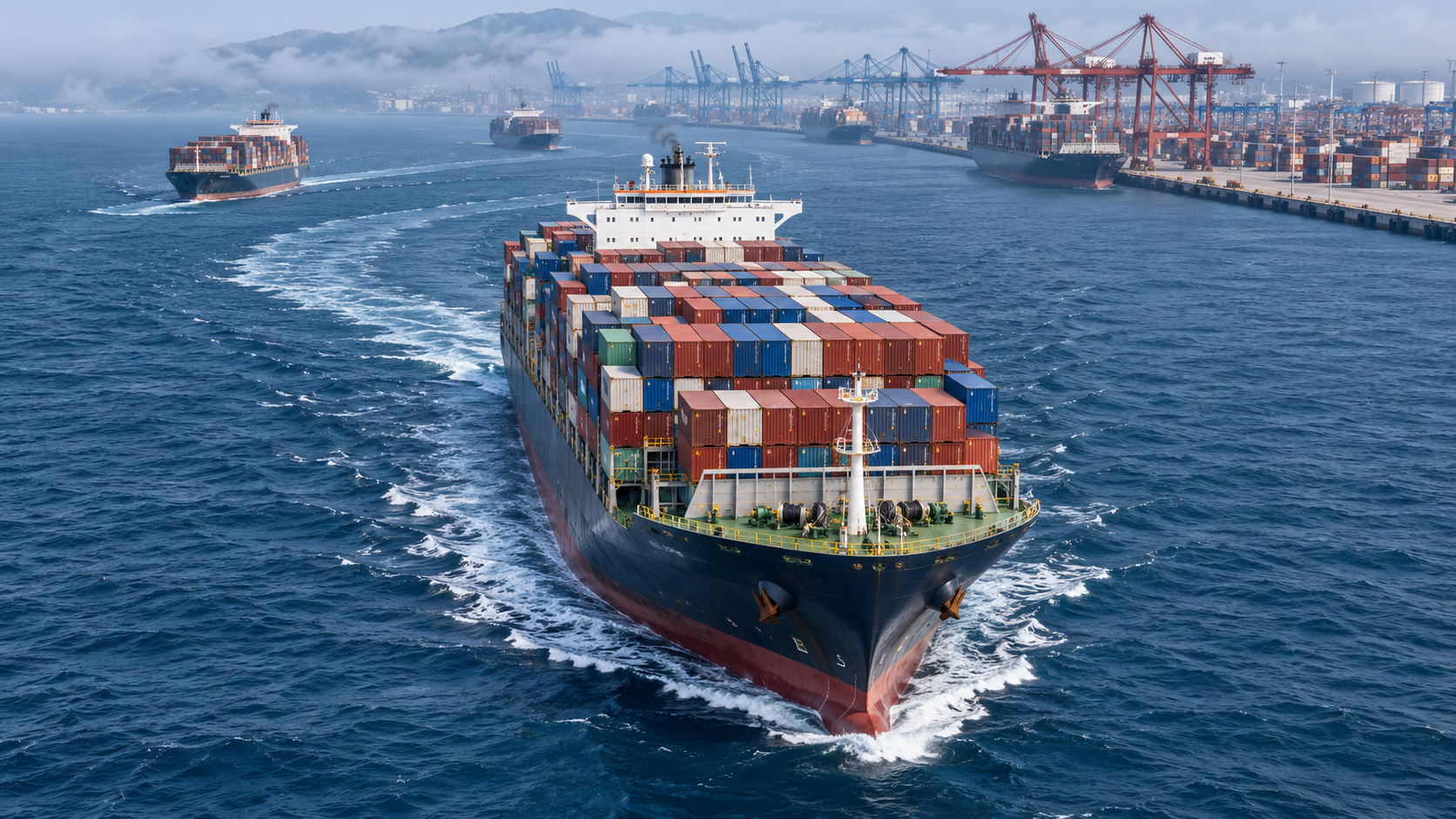
Global maritime trade route updates are essential for understanding how rerouting and shipping delays affect international supply chains. Changes in vessel routes can extend transit times, increase freight costs, and disrupt delivery schedules for manufacturers, buyers, and trading companies. The immediate question is not simply whether a ship has taken a longer route, but whether the change will affect vessel availability, port congestion, inventory decisions, and the cost of the next shipment.
The pattern is familiar, even when the cause is different. A security threat, waterway restriction, severe weather event, or port disruption can force carriers to revise schedules. Those revisions then move through the network: a late arrival delays the next departure, a missed connection leaves cargo waiting at a transshipment port, and containers return to exporters later than expected. The original disruption may be temporary; its effects on schedules can last longer.
Why a route change becomes a network problem
Container shipping depends on vessels, terminals, equipment, and inland transport operating as a connected system. When a carrier sends a ship around an alternative route, the extra sailing time ties up vessel capacity. Even if the number of ships in the market has not changed, fewer may be available for scheduled departures on a particular service.
Carriers may respond by adjusting port calls, combining services, adding vessels, or canceling selected sailings. These decisions can reduce some disruption, but they also change the options available to cargo owners. A shipment that previously moved directly may need a connection; a planned sailing may disappear from the schedule; or a vessel may omit a port to recover time.
This is why the announced transit time is only one part of the story. A more useful measure is the time from cargo readiness at origin to availability at the destination warehouse. That period includes booking, trucking, export clearance, terminal handling, the sea journey, transshipment, import clearance, and final delivery. A longer ocean leg is visible. A missed connection or a delayed container release can be just as consequential and harder to anticipate.
The corridors where route decisions matter most
The Suez Canal and the Red Sea link Asian production centers with European and Mediterranean markets. When carriers judge passage through the area to be unsuitable for a particular vessel or service, sailing around the Cape of Good Hope is an alternative. The diversion changes fuel consumption, voyage duration, crew requirements, and vessel deployment. Its effect on an individual shipment depends on the service, port rotation, and whether the cargo was already in transit when schedules changed.
The Panama Canal presents a different set of risks. Water availability and operational restrictions can affect transit capacity and booking conditions. Depending on the situation, shipping lines may wait, secure a transit slot, alter their service, or consider another route. For cargo moving between Asia and the eastern side of North America, decisions can also involve different gateway ports and inland transport arrangements. An alternative is not automatically faster once rail capacity, terminal congestion, and the final delivery location are included.
Other chokepoints and coastal passages deserve attention too, but not every headline represents an interruption to every vessel. Exposure depends on the actual voyage, vessel type, carrier policy, and cargo destination. A company buying from multiple countries may discover that several suppliers still rely on the same transshipment hub or canal.
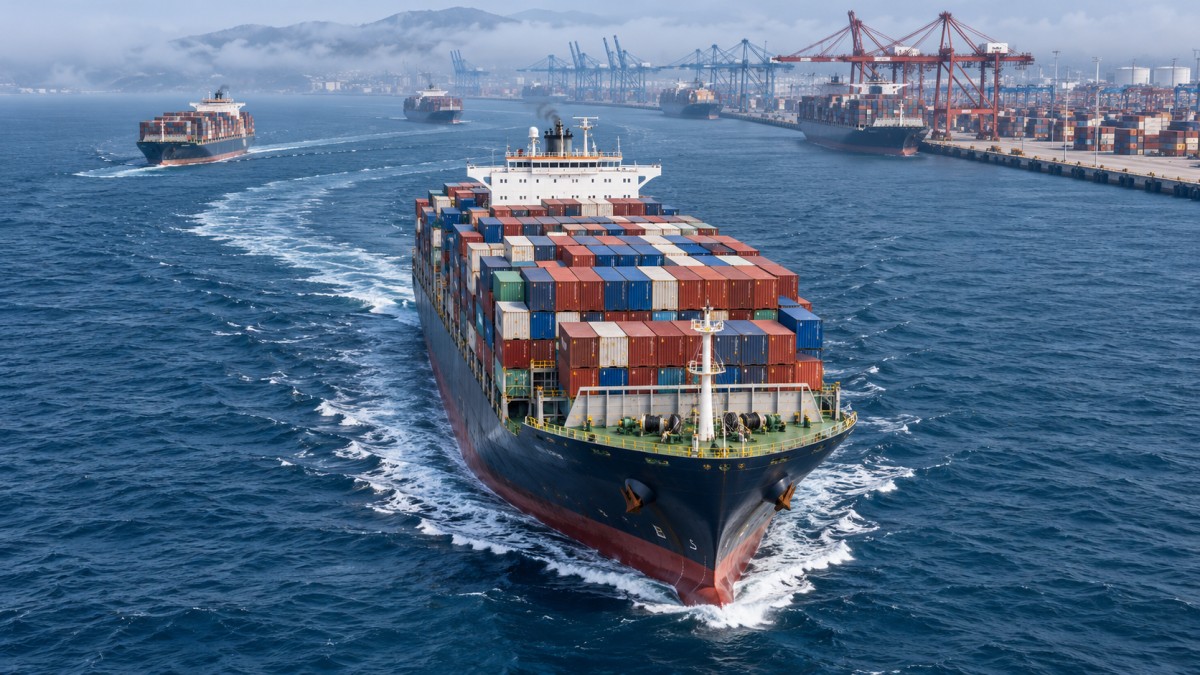
A route map is useful for identifying shared exposure, but it should be read alongside sailing schedules. Two shipments that appear to follow the same corridor may face different risks if one is on a direct service and the other depends on a tight connection. Likewise, a shipment booked through a port is not necessarily on the water: the container may still be waiting for its allocated vessel.
Shipping delays are not priced in a single freight rate
When disruption increases the distance traveled or absorbs vessel capacity, ocean freight rates and surcharges may rise. The size and timing of the effect differ by trade lane, carrier, contract, and booking date. Spot rates can move quickly, while contract customers need to check the terms governing surcharges, space commitments, and rate validity rather than assuming their agreed price covers every additional charge.
The invoice is only the beginning of the cost analysis. A delayed shipment can increase inventory carrying costs, require a production schedule change, or force a buyer to source replacement material at a less favorable price. Container detention, demurrage, storage, and extra inland transport may also arise, although liability depends on the contract and circumstances. War-risk insurance or other insurance costs may change where underwriters reassess exposure; coverage and exclusions should be checked with the insurer or broker.
For industrial cargo, the trade-off can be especially awkward. A low-margin steel shipment may not justify expensive emergency freight, while a comparatively small electronic component could stop an entire assembly line. The value of the cargo is therefore a poor shortcut for judging urgency. The better question is what happens if it arrives late, and whether an acceptable substitute is available.
Compare complete options, not headline quotes
When assessing a new route, request the ocean rate and applicable surcharges alongside the expected port-to-port and door-to-door timing. Include the likely cost of inland movement, customs handling, storage exposure, and any inventory held while goods are in transit. Ask how long the quote remains valid and whether space and equipment are actually available.
A cheaper sailing that arrives after a factory shutdown date may be the expensive choice. Equally, paying for a premium service makes little sense if the cargo will sit at the destination awaiting inspection, installation capacity, or a customer’s receiving window.
What manufacturers and metals buyers should watch
Manufacturers often have different exposure within the same bill of materials. Standard packaging may be relatively easy to replace; a qualified bearing, control module, or customer-approved casting may not be. If a delayed component requires a lengthy qualification process, switching suppliers after the disruption begins is rarely a quick fix. Purchasing teams should distinguish between readily substitutable items and parts whose drawings, tolerances, testing, or customer approvals restrict alternatives.
Metal buyers face an additional planning issue: freight changes can coincide with movements in material prices and exchange rates. Comparing suppliers on the quoted metal price alone can obscure the delivered cost. For steel, stainless steel, aluminum, or copper products, buyers should also verify product specifications, certification documents where required, packaging, and the delivery terms before treating a different origin as interchangeable.
Bulk and breakbulk cargoes do not necessarily behave like containerized goods. Their schedules, charter arrangements, handling requirements, and port options can differ substantially. A container freight index may help explain general market sentiment, but it should not be used as a substitute for a quote on a specific bulk or project cargo movement.
The operational detail matters at destination as well. A delayed machinery shipment may miss a crane booking or installation team. A shipment of metal products may arrive when warehouse space is already committed. These are not arguments for holding unlimited stock; they are reasons to connect shipping forecasts with production, receiving, and customer delivery plans.
How to read maritime updates without overreacting
A useful update separates an observed event from its likely effect on a particular shipment. Reports of an incident near a route do not, by themselves, establish that a canal is closed, that every carrier has diverted, or that a named vessel is delayed. Check the publication date, the location, and whether the source describes a confirmed operational change or a possible risk.
For current conditions, consult carrier advisories and booking updates, canal or port authority notices, and the forwarder managing the shipment. UNCTAD and the International Maritime Organization provide broader trade and maritime context, while port and carrier sources are generally more useful for immediate operational details. Freight indices can indicate rate direction on covered routes, but their definitions and publication timing matter; an index is not a binding quote for a specific container.
Automatic vessel tracking can add context, but it has limits. A displayed estimated arrival may change, and vessel position alone does not confirm that a particular container is onboard. For a critical order, ask the carrier or forwarder to confirm the container number, vessel and voyage, load status, connection plan, latest estimated arrival, and any revised destination availability date.
It is worth keeping the original estimate alongside each revision. That record shows whether a shipment is gradually slipping or whether one missed connection caused most of the delay. It also makes later discussions about customer commitments and contract responsibilities more grounded.
Building buffers where they actually help
The practical response is not to add the same number of days to every purchase order. Separate predictable, high-volume flows from occasional shipments and identify the items that would interrupt operations if they arrived late. Review both average lead time and its variability: a route with a reasonable average but frequent large deviations may require a different inventory policy from a consistently slower one.
For critical components, options include ordering earlier, holding targeted safety stock, qualifying a second supplier, or splitting volume across services. Each comes with a cost. Extra inventory ties up cash and may become obsolete; multiple suppliers increase qualification and quality-management work; splitting shipments can reduce purchasing or freight economies. The right choice depends on disruption exposure and the cost of a stockout, not on a general preference for either lean inventory or maximum redundancy.
Alternative ports and routes also need testing before they are needed. Confirm whether the supplier can deliver to the new gateway, whether suitable equipment is available, and whether customs documentation and inland arrangements support the change. Moving cargo through a different port can shift congestion rather than remove it.
For a research-oriented view, Baozhen Industrial Intelligence Portal connects these logistics questions with manufacturing, metals, trade, and supply chain developments. The most useful next step for any shipment, however, is narrower: map the actual route and dependencies, check the latest carrier information, and identify the date at which a delay would require an operational decision. That date is often more valuable than a general warning that shipping may be disrupted.
Related Intelligence