
China Trade Growth Signals a Shift in Import Demand
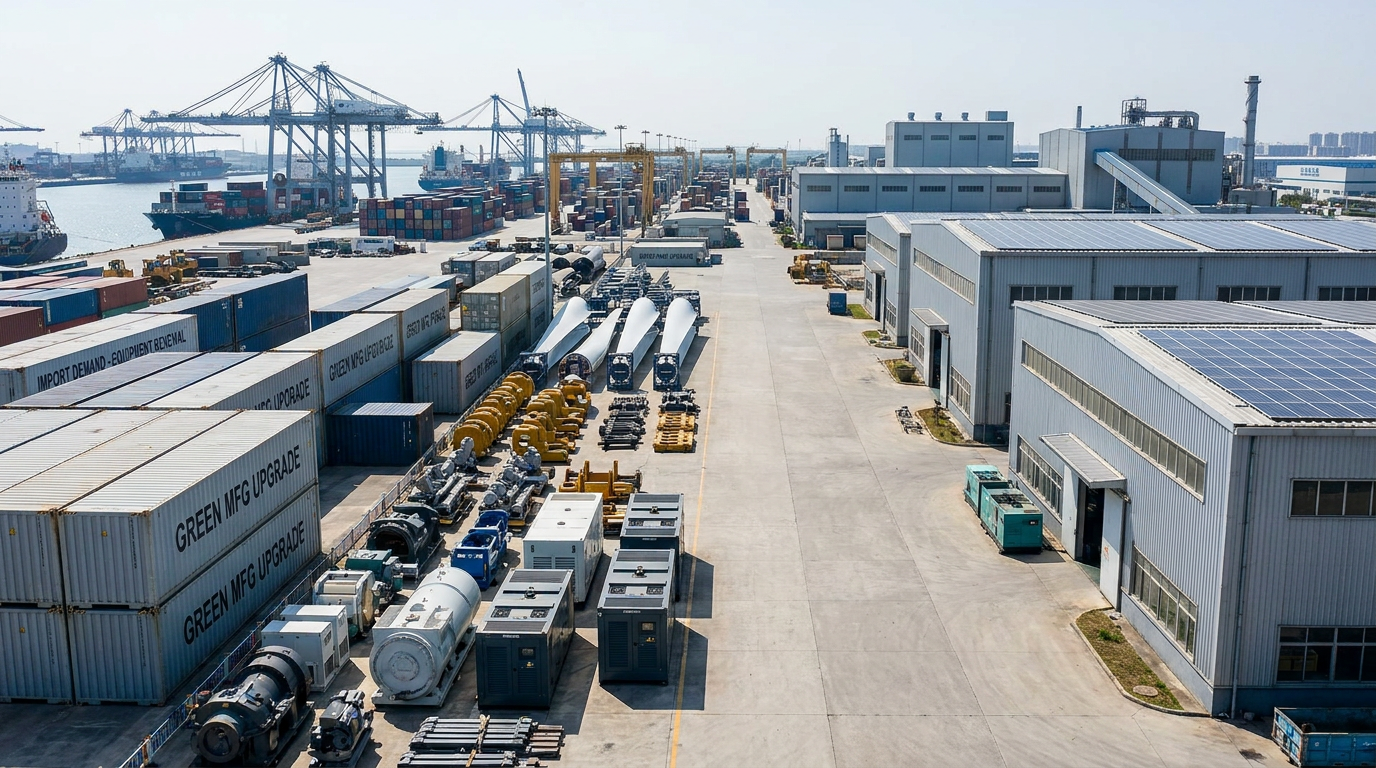
The timing of this development is not specified in the source input, but the latest customs figures for January to April 2026 point to a trade pattern that deserves attention beyond headline growth. With imports rising notably faster than exports, the update is relevant not only to trading companies, but also to manufacturers, procurement teams, compliance managers, logistics providers, and suppliers tied to equipment, energy systems, and industrial sensing. From an industry perspective, the key issue is not a new rule announced in text form, but a practical trade and execution signal: import demand appears to be strengthening around equipment renewal, greener production lines, and replenishment of key metal inputs, which can affect purchasing schedules, documentation discipline, supplier qualification, and delivery planning.
What the customs data confirms
According to the customs statistics provided in the source input, China’s total goods trade reached RMB 16.23 trillion in the first four months of 2026, up 14.9% year on year. Exports totaled RMB 9.33 trillion, an increase of 11.3%, while imports reached RMB 6.90 trillion, up 20.0%.
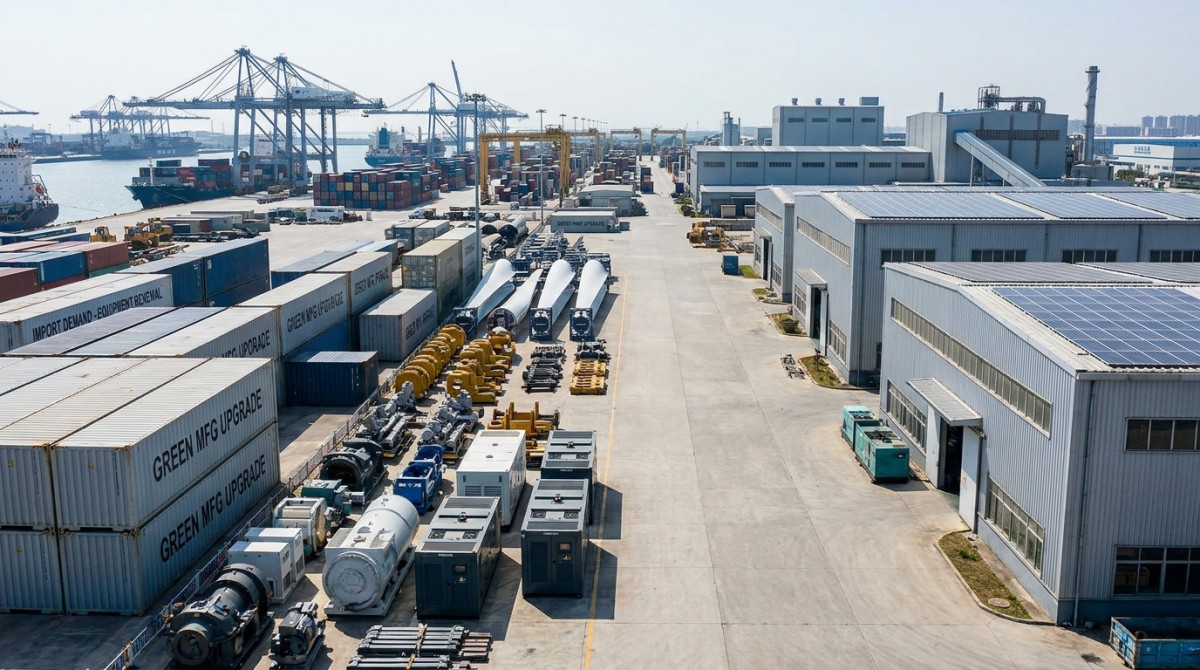
The same source summary indicates that the stronger import growth reflects faster equipment renewal in domestic manufacturing, upgrades to greener production lines, and accelerated restocking of key metal raw materials. It also states that this trend indirectly supports better order visibility for global suppliers of industrial equipment, energy equipment, and intelligent sensors.
Why the faster import pace matters across the chain
For buyers tied to industrial upgrading
Analysis shows that companies purchasing machinery, production equipment, energy-related systems, or sensing components may face a more disciplined procurement environment when import demand rises faster than export demand. The main impact is likely to appear in purchasing cycles, supplier coordination, technical document review, and delivery sequencing. What deserves closer attention is whether product specifications, import documentation, test records, and supplier qualification files are complete enough to support faster order conversion and handover.
For manufacturing operators managing line upgrades
Observably, manufacturers involved in equipment replacement or green line adjustments may feel the impact through project timing, inbound material planning, and acceptance procedures. Even without a newly stated regulation in the input, the trade structure itself can function as an execution signal that compliance review, technical file consistency, and quality traceability may become more important in actual purchasing and installation workflows.
For exporters and overseas suppliers serving China demand
From an industry perspective, suppliers of industrial equipment, energy equipment, and intelligent sensors may read the data as a practical signal of stronger demand visibility rather than a guaranteed expansion outcome. The business impact is likely to center on quotation preparation, specification alignment, certification readiness, after-sales commitments, and delivery credibility. Companies in this position should pay attention to whether buyers request stricter technical submissions, testing materials, product certificates, or lifecycle documentation as procurement activity accelerates.
For logistics and supply-chain service providers
Analysis shows that a faster rise in imports can affect scheduling pressure in customs handling, cargo planning, documentation turnover, and coordination between procurement and delivery nodes. Service providers may need to watch for tighter expectations around declared materials, product descriptions, packing records, inspection-related files, and shipment timing, especially where imported equipment or critical inputs are tied to project milestones.
What companies should monitor in the next stage
Check certification and technical file readiness early
It is more appropriate to understand this trade update as a prompt to review whether certificates, test reports, specification sheets, and supporting technical documents are ready before demand turns into urgent procurement activity. The source input does not provide detailed execution rules, so this should be treated as a point for monitoring rather than a confirmed compliance change.
Watch official wording and procurement practice closely
Analysis shows that companies should follow how future official descriptions, procurement notices, or execution language interpret equipment renewal, green production upgrades, and raw-material replenishment. The current information indicates direction, but it does not define a complete rule framework. That means tender documents, qualification clauses, and technical bid requirements deserve continued scrutiny.
Prepare for closer review of delivery and supplier qualification
Observably, when demand strengthens in imported equipment and inputs, buyers may become more sensitive to lead times, installation support, replacement parts availability, and supplier track record. Companies should therefore pay attention to internal approval files, supplier credentials, traceability materials, and after-sales response arrangements, even though the source input does not specify any new mandatory standard.
Keep trade risk controls tied to documentation quality
From an industry perspective, stronger import momentum can place more weight on consistent product descriptions, complete shipping files, and clear quality records. This is especially relevant where multiple parties share responsibility across purchasing, customs processing, warehousing, commissioning, and after-sales support. The key practical issue is not a confirmed new restriction, but the need for fewer documentation gaps as transaction volume and delivery pressure rise.
How this should be read at this stage
Analysis shows that this development is better read as an execution signal from trade performance rather than as a fully defined new policy package. The available facts suggest that import growth is being supported by industrial upgrading and raw-material replenishment, but the input does not provide detailed policy clauses, enforcement notices, or certification rule changes.
What deserves closer attention is how this signal may feed into later procurement language, qualification checks, specification review, and market feedback. For industry participants, the practical takeaway is to track whether this stronger import pattern is followed by clearer compliance expectations, more detailed tender requirements, or more formalized documentation demands.
A practical reading for market participants
On a neutral reading, the trade figures point to a market environment in which import-linked industrial activity is gaining weight faster than export growth. That does not by itself confirm a new regulatory regime, but it does indicate that businesses connected to equipment renewal, greener production assets, and key material supply should review procurement discipline, delivery preparedness, and compliance documentation.
It is more appropriate to understand this update as a meaningful market and execution indicator with possible rule-related implications, rather than as a completed regulatory shift. Continued observation is still needed before drawing harder conclusions about standards, certification practice, or trade procedures.
Basis of this article
This article is generated from the user-provided news title, event timing, and event summary. The specific official source link was not provided in the input, so continued verification remains necessary.
For events of this type, source categories commonly worth checking include official announcements, regulator publications, customs or trade authority information, industry association releases, standards organization documents, and reporting by authoritative media. Analysis shows that the next points requiring observation include any later policy detail, certification interpretation, tender document changes, market feedback, and how companies actually implement related procurement and delivery decisions.
Related Intelligence