
How to Choose Sports Equipment: Fit, Safety, and Durability
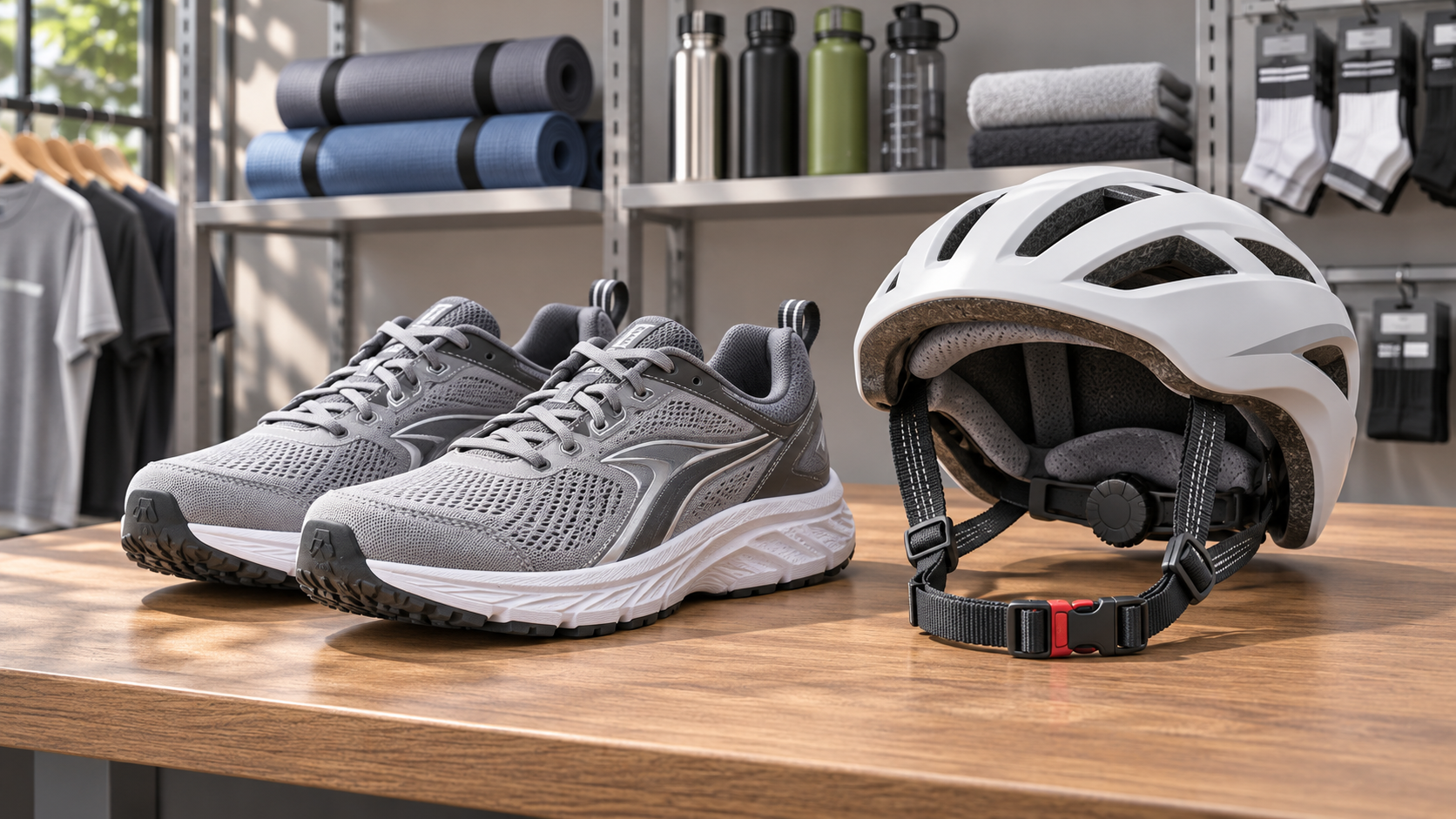
A pair of shoes that pinches after ten minutes or a helmet that shifts every time you turn your head can take the pleasure out of an activity before it becomes a habit. Choosing sports equipment is about more than finding the right color or the lowest price: the best choice is gear that fits your body, matches the way you play, and remains dependable with use.
Whether you are shopping for running shoes, protective equipment, or a racket for weekend games, a few checks can make the decision easier. Start with the demands of the activity, then look closely at fit, safety information, construction, and the practical cost of ownership.
Start with the activity, not the product label
Before comparing brands, picture where and how you will use the equipment. Indoor court shoes, trail-running shoes, and casual trainers may look similar, but their soles and support are designed for different surfaces and movements. A tennis racket chosen for occasional recreational play may not need the same characteristics as one used for frequent competitive matches.
Ask yourself:
- Where will I use it? Consider the surface, weather, available space, and whether the equipment will travel regularly.
- How often will I use it? A beginner attending a weekly class has different wear and budget considerations from someone training most days.
- What does the activity require? Check the rules of your sport, club, or facility, especially for protective gear.
- Who will use it? Equipment should suit the user’s size, strength, experience, and any relevant physical limitations.
If you are trying a sport for the first time, renting or borrowing non-personal equipment can help you learn what feels comfortable before committing to a purchase. Do not assume that borrowed protective gear is suitable, however: its fit, condition, history, and applicable safety requirements still need checking.
Fit comes before features
Impressive materials and extra adjustments cannot compensate for equipment that does not fit. Poorly fitting gear may rub, restrict movement, or fail to stay in its intended position. It can also be distracting enough to make you use it less.
Size charts are a useful starting point, not a guarantee. Measure according to the manufacturer’s instructions and compare the result with that specific product’s chart. Sizes can differ between brands and even between models from the same brand.
When trying equipment, reproduce the conditions in which you will use it. Wear your usual sports socks with shoes and any relevant base layers under pads. Adjust straps as directed, then walk, bend, reach, or make a few controlled sport-specific movements. Pay attention to pressure points as well as looseness: a product can feel secure while standing still and become uncomfortable as soon as you move.
What a good fit looks like for common gear
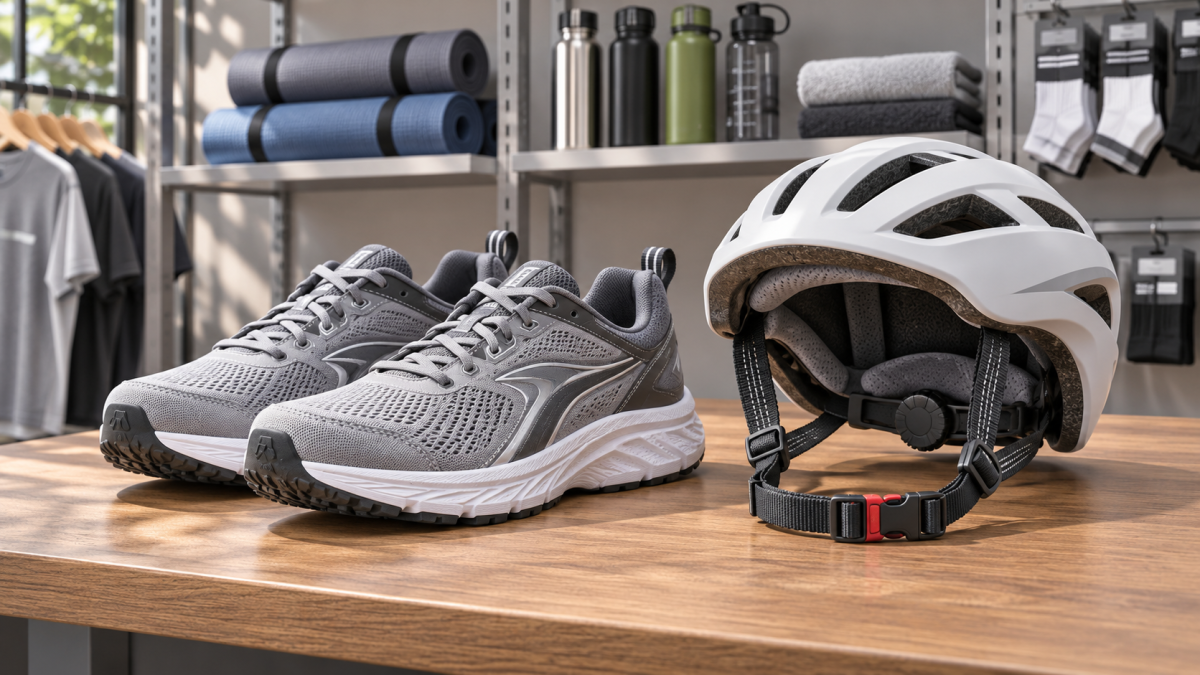
- Footwear: Your toes should have room to move without the foot sliding excessively. Check the heel, width, and instep as well as length, and try both shoes on.
- Helmets: Follow the manufacturer’s fitting instructions. The helmet should sit in its intended position, feel secure without painful pressure, and remain stable when properly fastened.
- Protective pads: Coverage should stay over the intended area as you bend and move. Straps should hold the pad in place without cutting into the skin.
- Rackets and bats: A grip that feels secure and a weight you can control comfortably are more useful than a specification chosen solely because an experienced player uses it.
For children, avoid buying protective equipment several sizes too large with the expectation that they will grow into it. Equipment needs to fit now. Recheck sizing regularly, and ask a qualified fitter, coach, or healthcare professional for guidance when appropriate.
How to assess sports equipment safety
Safety is not a single feature. It depends on the equipment being appropriate for the activity, correctly fitted, in good condition, and used as intended. Protective gear may reduce certain risks, but it cannot eliminate the possibility of injury.
Look for clear information about the product’s intended use and, where relevant, the safety standard or certification applicable to your sport and location. A cycling helmet, for example, should be assessed against the requirements for cycling rather than assumed suitable for every activity. Check the actual product label and the certifying body’s guidance where available; a vague claim such as “safety tested” does not tell you what was tested or to which standard.
Inspect buckles, straps, fasteners, padding, and moving parts before purchase. They should operate as described, without obvious cracks, loose components, or sharp exposed edges. For equipment with weight or user limits, check that the stated limit suits the intended user and use case.
Buying online calls for extra attention. Read the full listing, not just the headline, and check the seller’s identity, return policy, size chart, and product markings. If a listing omits basic safety information for protective equipment, ask the seller for clarification or consider another option.
Be cautious with secondhand protective gear
Used sports equipment can be a sensible way to save money, particularly for items that are easy to inspect. Protective gear is a different decision. Damage may not always be visible, and you may not know whether an item has been involved in an impact, stored in excessive heat, modified, or recalled.
For helmets especially, follow the manufacturer’s replacement guidance after an impact and over the product’s service life. If the history is uncertain, buying new from a reputable source is often the safer choice. Before using any secondhand item, check for recalls and inspect it against the manufacturer’s instructions.
Durability: look beyond material names
“Metal,” “carbon fiber,” and “reinforced fabric” can sound reassuring, but a material name alone does not reveal how long a product will last. Design, material quality, assembly, loading, maintenance, and storage all influence durability. A lightweight frame may be pleasant to carry but still needs to suit the stresses of the intended activity.
When comparing options, focus on the parts most likely to experience wear:
- Stitching and seams: Look for even stitching, secure joins, and no obvious loose threads in bags, gloves, and padded equipment.
- Contact surfaces: Examine shoe soles, grips, and protective outer layers for consistent construction and a design suited to the playing surface.
- Connections: Check how handles, frames, straps, and adjustment mechanisms are joined. They should feel secure and operate smoothly.
- Moving or replaceable parts: Find out whether common wear items, such as grips or straps, can be replaced and whether compatible parts are available.
Reviews can reveal recurring problems, but read them with context. A complaint about a shoe wearing quickly on outdoor concrete may not tell you much about its performance on the indoor court for which it was designed. Look for descriptions from people using the product in similar conditions to yours, rather than relying on a star rating alone.
Care matters too. Follow cleaning instructions, dry equipment as directed, and avoid storing it in conditions the manufacturer warns against. Check gear periodically for cracks, fraying, deformation, loose fasteners, or other signs of damage. If you are unsure whether damage affects safety, stop using the item and seek advice from the manufacturer or a qualified professional.
Compare options by use case, not just price
The cheapest item is not always the least expensive over time, but the most expensive one is not automatically the best fit. A useful comparison includes purchase price, likely use, maintenance, replacement parts, and whether the product can be returned if it does not fit.
A warranty can add useful information, but read its terms. It may cover manufacturing defects while excluding normal wear, misuse, or damage caused by impact. Likewise, a generous return period is most useful when you understand whether the item can be tried on or tested without losing eligibility for return.
A practical check before you pay
Once you have narrowed the choice to two or three options, take a moment to answer these questions:
- Is the equipment designed for my activity, surface, and level of use?
- Does it fit securely and comfortably when I move, not just when I stand still?
- Have I checked the relevant safety information, instructions, and any sport or facility requirements?
- Are the parts that will experience the most wear well made and easy to inspect?
- Do I understand the care instructions, warranty, return policy, and potential replacement costs?
If you cannot answer a question from the label or product listing, ask the retailer or manufacturer. A little uncertainty about color is easy to live with; uncertainty about fit, condition, or intended use deserves more attention.
When should you replace sports equipment?
There is no single replacement schedule that applies to every item. Frequency of use, environment, impacts, and maintenance all affect condition. Follow the manufacturer’s guidance and any rules set by your sport or facility, and inspect equipment before use rather than waiting for a calendar date.
Cracked shells, damaged straps, unstable fasteners, exposed padding, or a frame that has become visibly distorted are reasons to stop and assess the item. For protective equipment, do not attempt an improvised repair unless the manufacturer explicitly permits it. When in doubt, contact the maker or replace the item.
The right sports equipment should let you concentrate on the activity instead of constantly adjusting, worrying, or working around discomfort. Choose for the way you actually move and play, check safety information carefully, and treat durability as a combination of thoughtful construction and sensible care. That approach makes it easier to spend where it matters—and enjoy the gear once you get out there.
Related Intelligence