
Hydrogen Freight Vehicles: Cost, Range, and Fleet Fit
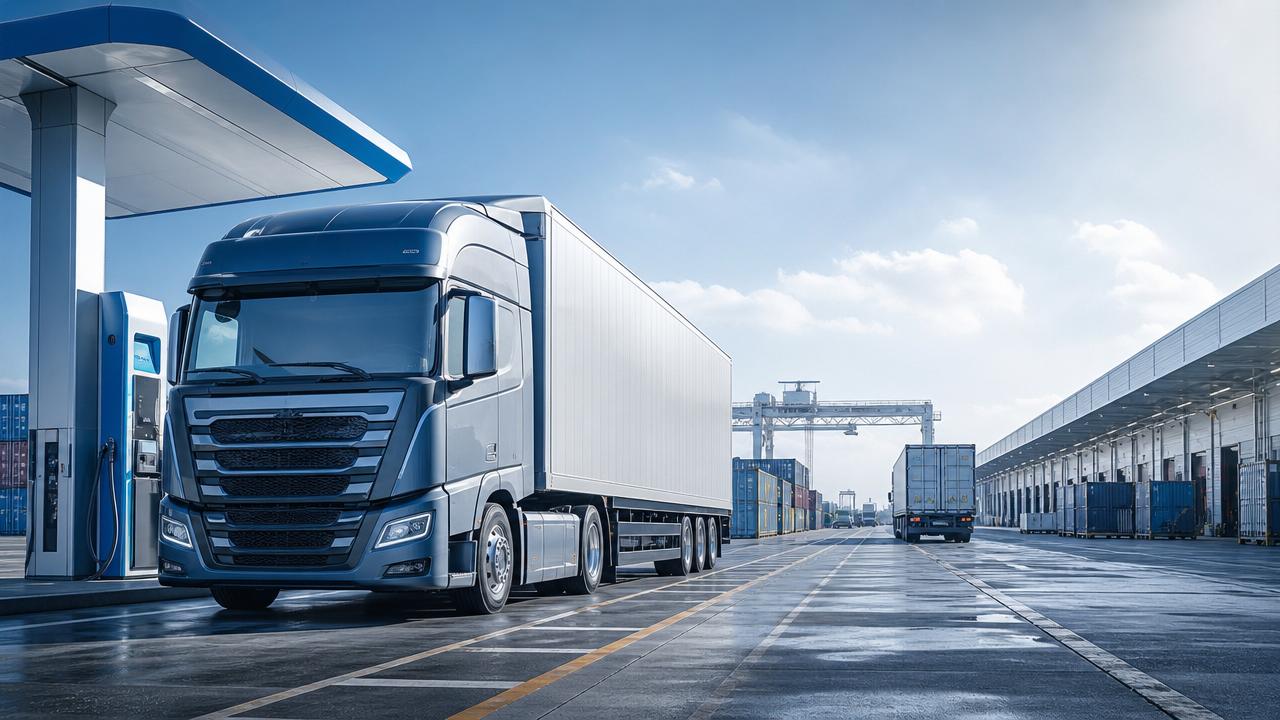
Hydrogen Freight Vehicles are moving from pilot headlines into serious logistics planning. Interest is rising because freight operators need lower-emission transport without giving up payload, route flexibility, or fast turnaround at depots and corridors.
That shift matters across industry, manufacturing, trade, and supply chain operations. For companies tracking infrastructure upgrades, energy equipment, compliance pressure, and transport resilience, hydrogen trucks are no longer a distant concept. They are a strategic option that deserves disciplined evaluation.
Why hydrogen freight is now part of fleet strategy
Freight decarbonization used to focus mainly on light vehicles and urban delivery. Heavy transport changed the conversation because long distance, high utilization, and cargo weight make replacement decisions more complex.
Battery-electric trucks fit many short and regional routes well. Hydrogen Freight Vehicles enter the discussion where duty cycles are harder, downtime is expensive, and charging windows are limited.
This is especially relevant for sectors linked to ports, metal products, industrial materials, cold chain, cross-border trucking, and time-sensitive manufacturing flows. In these settings, transport is not just a cost line. It affects service reliability, inventory design, and customer commitments.
What Hydrogen Freight Vehicles actually are
Most Hydrogen Freight Vehicles use fuel cells to convert hydrogen into electricity onboard. The electricity powers the motor, while a battery supports acceleration, energy recovery, and load balancing.
In practical terms, they drive like electric trucks but refuel more like conventional diesel vehicles. That combination is the main reason they attract attention in heavy-duty freight.
The technology story, however, is only one part of the decision. Fleet fit depends on fuel price, hydrogen availability, vehicle uptime, maintenance capability, and route design.
Cost is the first filter, but not the only one
The headline challenge remains cost. Hydrogen Freight Vehicles usually carry a higher purchase price than diesel alternatives, and in many markets they still cost more upfront than battery-electric models.
That said, fleet decisions should not stop at sticker price. The more useful lens is total cost of ownership, including fuel, maintenance, utilization, residual value, subsidies, and infrastructure access.
Where cost pressure comes from
- Vehicle hardware is still produced at relatively low scale.
- Green hydrogen supply remains limited in many regions.
- Refueling infrastructure needs large capital commitments.
- Service networks and technician capability are still developing.
The economics improve when trucks run predictable, high-mileage routes and spend less time parked. High utilization spreads asset cost faster. If hydrogen is contracted through long-term supply agreements, fuel volatility may also become easier to manage.
Range matters, but duty cycle matters more
Range is often presented as the decisive advantage of Hydrogen Freight Vehicles. That is partly true, but range only has value when it matches real operating patterns.
For many long-haul and heavy-load applications, hydrogen offers attractive driving distance with shorter refueling stops than long charging sessions. This can preserve truck availability during peak demand windows.
Still, route analysis should go beyond nominal kilometers. Terrain, temperature, payload variation, traffic, auxiliary loads, and refueling queue time all change practical performance.
Questions behind the range figure
- Is the truck hauling dense freight or volume freight?
- Does the route include gradients, congestion, or idling?
- How often must the vehicle return to base?
- Can refueling be integrated into loading schedules?
A shorter advertised range can still work if the route has reliable hydrogen access. A longer advertised range may add little value if the network cannot support daily operations.
Infrastructure is the real gatekeeper
The strongest limitation for Hydrogen Freight Vehicles is not always vehicle technology. It is infrastructure timing, location, and economics.
Hydrogen logistics require production, transport, storage, compression, dispensing, and safety controls. Each step adds complexity, and each one must align with route density and fleet scale.
This is why corridor-based deployment is gaining traction. Fleets can work well when specific freight lanes connect ports, industrial zones, warehouses, and border crossings with dedicated fueling support.
From a broader industrial perspective, the issue connects with energy investment, equipment supply, permitting, and local policy support. That makes hydrogen freight a cross-functional topic rather than a simple vehicle replacement decision.
Where Hydrogen Freight Vehicles fit best
Not every fleet needs hydrogen, and that is an important strength of realistic planning. Hydrogen Freight Vehicles make the most sense where operational constraints reward fast refueling and stable range under heavy load.
The best candidates are usually fleets with concentrated assets, repeatable lanes, and measurable service penalties for downtime. Those conditions create a clearer business case than broad, unstructured deployment.
Operational issues that deserve closer scrutiny
A hydrogen truck program should be evaluated like any industrial system. Vehicle performance matters, but the surrounding operating model matters just as much.
Areas that often decide success
- Fuel sourcing reliability across seasons and contract periods.
- Depot design, safety procedures, and emergency response planning.
- Service support for fuel cell systems and high-pressure components.
- Regulatory treatment of emissions reporting and transport compliance.
- Interaction with warehouse scheduling and network planning.
This broader view is where industrial intelligence becomes useful. Transport decarbonization intersects with factory output, materials flow, energy policy, procurement risk, and global trade requirements.
A platform that connects those dimensions helps organizations avoid narrow decisions based only on promotional claims or isolated technical data.
How to judge business readiness
A practical assessment starts with route economics rather than brand preference. If the route is wrong, even the most advanced Hydrogen Freight Vehicles will underperform financially.
A useful internal review can be built around a few disciplined checks.
- Map lanes by mileage, payload, dwell time, and fueling access.
- Compare hydrogen, battery-electric, and diesel on total operating profile.
- Stress-test assumptions on fuel price, utilization, and uptime.
- Review grants, corridor programs, and infrastructure partnerships.
- Start with a corridor pilot tied to measurable service metrics.
The strongest decisions usually come from pairing transport data with supply chain context. That includes warehouse timing, export schedules, customer service levels, and the cost of missed delivery windows.
What comes next for hydrogen in freight
Hydrogen Freight Vehicles are unlikely to replace every heavy truck category. The more realistic outlook is targeted adoption in routes where energy density, fast refueling, and operational continuity create a measurable advantage.
As infrastructure expands, vehicle scale improves, and policy frameworks mature, cost gaps may narrow. Even so, market winners will probably be networks that align energy supply, freight density, and fleet utilization.
For decision-making today, the key is not whether hydrogen sounds promising in theory. It is whether specific lanes, assets, and service models justify the investment. That is the point where Hydrogen Freight Vehicles move from innovation narrative to practical transport strategy.
The next step is to define a route-by-route evaluation framework, compare total cost under realistic operating assumptions, and monitor corridor infrastructure, hydrogen supply terms, and compliance trends before scaling further.
Related Intelligence