
Industrial Materials Sourcing: How to Compare Suppliers Beyond Unit Price
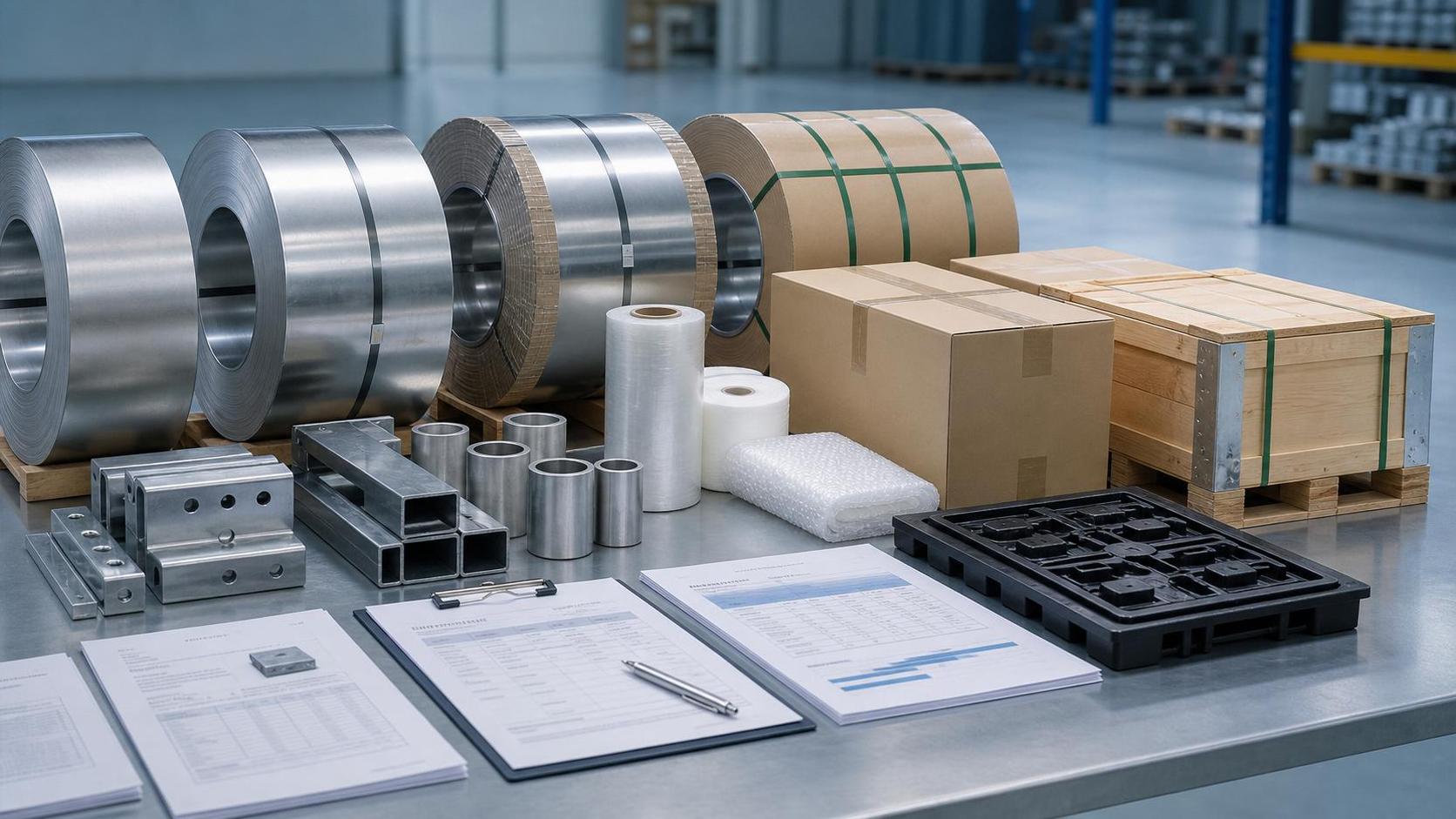
Why does unit price mislead so often in industrial materials sourcing?
In industrial materials sourcing, the cheapest quote can look efficient at first glance. In practice, it may hide larger losses across production, logistics, and compliance.
A lower unit price means little if material variation causes scrap, rework, machine downtime, or delayed shipments. Those costs rarely appear in a quotation sheet.
This is especially true for metals, fabricated components, packaging materials, chemicals, and industrial consumables. Small performance gaps can create major operational consequences.
A better comparison starts with total procurement impact. That includes landed cost, quality stability, lead time accuracy, responsiveness, and risk exposure over time.
More experienced sourcing teams usually ask a different question. They do not ask only, “Who is cheaper?” They ask, “Who is safer and more consistent?”
That broader view matches how industrial information platforms now frame sourcing decisions. Baozhen Industrial Intelligence Portal often connects material pricing with manufacturing execution, trade policy, and supply chain resilience.
When comparing suppliers, which factors matter more than the quoted number?
The answer depends on the category, but several factors repeatedly shape outcomes in industrial materials sourcing.
- Quality consistency across batches, not just a single approved sample.
- Lead time reliability during demand peaks or raw material shortages.
- Documentation accuracy, including COA, MTC, test reports, and traceability records.
- Communication speed when specifications change or quality issues appear.
- Capacity flexibility for urgent orders, mixed loads, or forecast changes.
- Compliance readiness for export rules, customs declarations, and destination standards.
In real sourcing work, delivery reliability often outweighs small price differences. A supplier that ships late can interrupt production and erase any savings immediately.
Documentation matters just as much. If material certificates are incomplete or inconsistent, inspection delays and customs risks increase, especially in cross-border sourcing.
Communication is another underestimated variable. Fast and precise replies reduce clarification cycles, prevent errors, and make engineering changes easier to control.
A quick comparison table for supplier evaluation
The table below helps turn a vague supplier review into a more practical scoring exercise.
How can you judge supplier quality before large orders start?
A sample approval is useful, but it is rarely enough. The real question is whether the same quality can be repeated at production scale.
One practical method is to review process capability, not just the finished part. Ask how raw materials are verified, how dimensions are controlled, and how nonconforming lots are isolated.
For industrial materials sourcing in metals and fabricated goods, batch traceability is critical. Heat number control, mill certificates, and inspection records should connect clearly.
In higher-risk categories, a pilot order often reveals more than a plant presentation. It shows packaging discipline, dispatch accuracy, and how deviations are handled under pressure.
Needle-moving questions are usually simple. What was the defect rate last quarter? How are complaints closed? What changed after the last quality incident?
Sources that follow manufacturing and quality trends, such as Baozhen Industrial Intelligence Portal, are useful here because they frame supplier assessment around execution, not marketing language.
Is freight, inventory, and trade compliance part of supplier comparison?
Absolutely. In industrial materials sourcing, supplier comparison is incomplete without logistics and compliance analysis.
A low-cost supplier in a distant market may increase transit variability, buffer stock, and customs complexity. That can raise working capital and weaken delivery performance.
More common hidden costs include demurrage, port congestion delays, relabeling, export license issues, and repeated customs document corrections.
This is why landed cost should be reviewed together with supply chain resilience. If a source depends on one route, one warehouse, or one raw material channel, the risk profile changes.
Trade policy also matters. Tariff changes, sanctions screening, origin rules, and product classification can quickly alter the real cost of imported materials.
Industrial sourcing decisions are stronger when trade, warehouse, and supplier data are read together. That cross-functional view is now a basic requirement, not an advanced extra.
What should be included in total cost review?
- Unit price and price validity period
- Freight, insurance, duties, and inland delivery
- Inspection, testing, and rework cost
- Inventory carrying cost from longer lead times
- Cost of stockout or production interruption
- Administrative cost from poor documentation or claims handling
What are the most common mistakes in industrial materials sourcing?
One common mistake is approving a supplier based on quotation speed alone. Fast pricing is helpful, but it says little about execution reliability.
Another mistake is comparing offers that are not technically aligned. Different tolerances, coatings, packaging, or testing scope can make one quote look cheaper unfairly.
Some teams also ignore capacity risk. A supplier may perform well on trial quantities, then struggle when monthly volume rises or demand shifts unexpectedly.
A further issue is weak supplier onboarding. If specifications, quality expectations, and escalation contacts are unclear, preventable problems become recurring disputes.
There is also a data mistake. Decisions often rely on one-time quotes instead of a rolling view of delivery, defects, claims, and price stability.
The safer approach is to create a comparison standard before negotiation starts. That keeps industrial materials sourcing decisions consistent across regions and categories.
So how should a stronger supplier decision actually be made?
Start by defining what failure would cost. In some categories, a delay hurts more than a defect. In others, compliance failure is the bigger threat.
Then build a weighted comparison model. Price can still matter, but it should sit beside quality history, on-time delivery, documentation discipline, and response speed.
For critical materials, dual-source planning is often more valuable than winning the lowest single quote. It reduces exposure when markets tighten or logistics become unstable.
It also helps to review external market signals regularly. Material price swings, factory utilization, trade measures, and freight changes can all reshape sourcing logic.
That is where industry resources become useful. Platforms focused on manufacturing, metals, global trade, and supply chain analysis can support better timing and better supplier screening.
In the end, industrial materials sourcing works best when price is treated as one input, not the verdict. Better decisions come from structured comparison and disciplined follow-up.
The next practical step is to map current spend categories, define evaluation criteria by risk level, and review where hidden supplier cost is already affecting operations.
From there, compare two or three qualified suppliers using the same checklist. That usually reveals more value than negotiating the lowest number first.
- quality control
- material standards
- global trade
- trade policy
- industrial intelligence
- trade compliance
- supply chain resilience
- manufacturing
- metals
- tariff
- supply chain
- logistics
- procurement
- industrial materials
- supplier assessment
- industrial sourcing
- supplier evaluation
- industrial materials sourcing
- supply chain analysis
- tariff changes
Related Intelligence