
Indonesia Extends Safeguard Duty on Synthetic Yarn
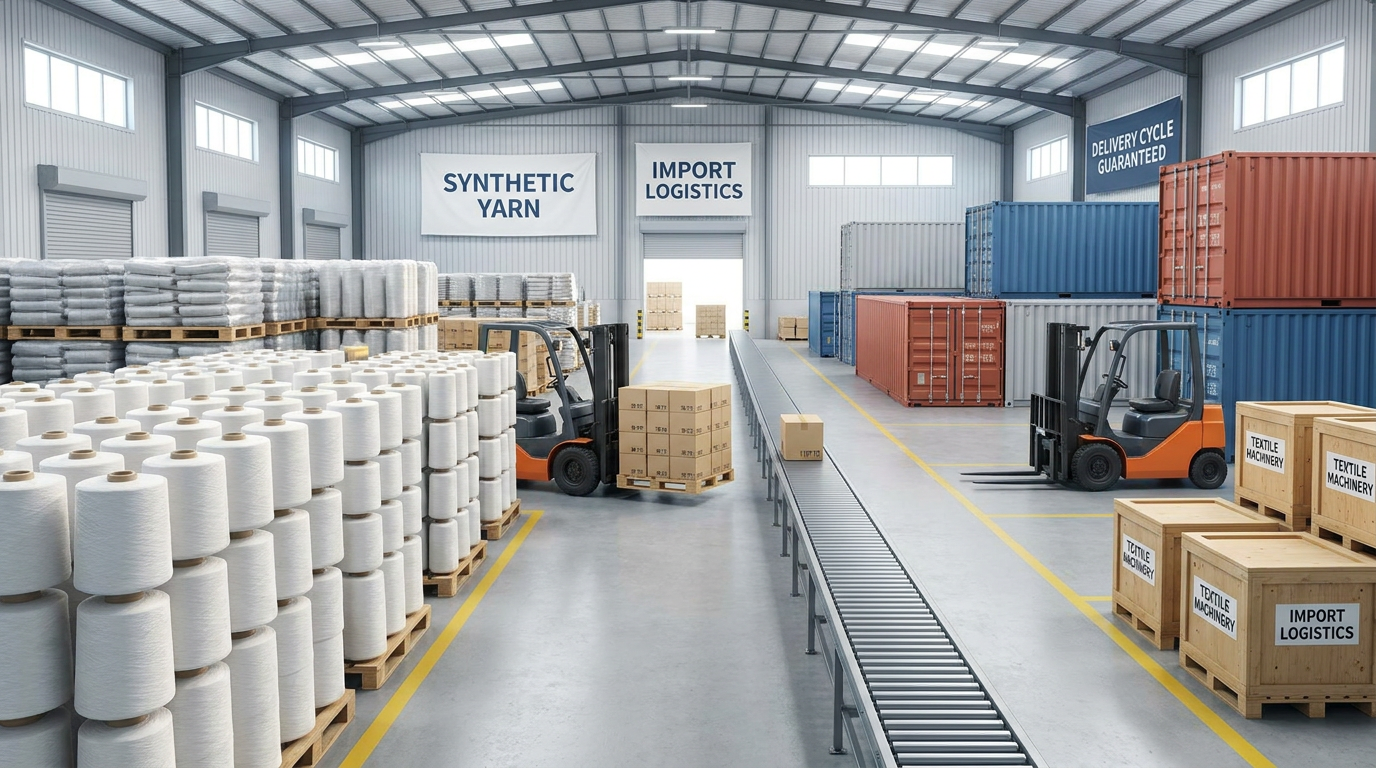
On May 22, 2026, Indonesia began applying an extended safeguard duty on imported synthetic fiber and artificial staple fiber yarns under the 5509 and 5510 tariff series, following Ministry of Finance Regulation No. 37 issued on May 21. While the measure does not directly target metal or equipment products, it deserves attention from textile machinery, smart sewing equipment, and industrial fabric supply-chain participants because it can influence end-user purchasing costs and delivery-time expectations.
What the Regulation Confirms
According to the provided information, Indonesia’s Ministry of Finance issued Regulation No. 37 on May 21, 2026, and continued the safeguard duty from May 22 on imported synthetic fiber and artificial staple fiber yarns classified under the 5509 and 5510 series. The duty is set at IDR 324 per kilogram in the first year and IDR 308 per kilogram in the second year. The confirmed scope of the measure is the affected yarn imports, while the noted downstream relevance relates to procurement cost and lead-time expectations in linked textile and industrial supply chains.
Where the Immediate Pressure May Appear
Import and raw-material purchasing decisions
From an industry perspective, companies directly importing the covered yarn categories may face a more immediate need to recalculate landed cost assumptions. The main point of attention is not only the duty level itself, but also how it affects price discussions, replenishment timing, and order planning tied to the covered tariff lines.
Manufacturing links connected to textile production
Analysis shows that processing and manufacturing businesses connected to textile production may feel the effect indirectly through changes in input cost expectations. For operations that depend on stable yarn-related sourcing conditions, the policy may influence production planning, quotation cycles, and the timing of material commitments.
Equipment and supporting-supply transactions downstream
What deserves closer attention is the downstream effect on textile machinery, smart sewing equipment, and industrial fabric-related supporting chains mentioned in the provided summary. These businesses are not the direct target of the safeguard duty, but end-customer budget decisions and project timing may be reassessed if textile-related procurement costs shift.
Supply-chain and delivery coordination
For supply-chain service providers and channel participants, the practical impact may center on delivery forecasts and coordination. Observably, if buyers adjust procurement rhythm or wait for cost clarity, communication around lead times, shipment timing, and order confirmation may become more sensitive.
What Companies Should Watch Now
Track the exact scope of covered product lines
Businesses should pay close attention to whether their transactions involve the 5509 or 5510 tariff series referenced in the measure. The key practical issue is to distinguish between direct exposure to the duty and indirect exposure through downstream customer behavior.
Separate policy wording from business impact
Analysis shows that the regulation itself applies to specified yarn imports, but the commercial effect may extend further through customer cost expectations. Companies should therefore avoid treating all related textile, equipment, or industrial fabric transactions as equally affected without checking the actual procurement chain.
Review procurement and delivery assumptions
For purchasing, supply, and fulfillment teams, it is worth rechecking quotations, contract timing, and delivery commitments that may be influenced by changes in customer budgeting or sourcing plans. This is especially relevant where order schedules depend on downstream textile investment or replenishment decisions.
Strengthen customer and supplier communication
What deserves closer attention is the need for clearer communication on documentation, execution timing, and delivery expectations. Even where the duty does not apply directly to a company’s own products, counterparties may ask for faster cost confirmation or revised lead-time visibility.
Why This Matters Beyond the Tariff Itself
As an observation, this development is more than a narrow tariff update for yarn importers. It also serves as a practical signal for businesses tied to textile production and textile-related equipment demand that cost assumptions in the chain may need adjustment. At the same time, it is more appropriate to understand this as a policy-driven market signal rather than a fully defined outcome for all downstream sectors, because the provided information confirms the measure itself but does not quantify its broader commercial effect.
How the Industry May Best Read This Update
The industry significance of this measure lies in its effect on pricing expectations and planning discipline across connected supply chains. A cautious reading is more suitable than an exaggerated one: the safeguard duty is a confirmed policy action, but its downstream impact on machinery, smart sewing equipment, and industrial fabric support businesses should currently be understood as an important area to monitor rather than a fixed end result.
Basis of This Article
This article is generated from the user-provided news title, event date, and event summary. For developments of this kind, relevant source categories commonly include official government notices, company disclosures, industry association updates, authoritative media reporting, and standards-related documents. A specific official source link was not provided in the input, so further verification remains necessary. Continued attention should focus on any later official clarification, scope interpretation, and the actual transmission of cost and delivery impacts through downstream textile-related supply chains.
Related Intelligence