
How Smart Containers Reduce Cargo Visibility Gaps
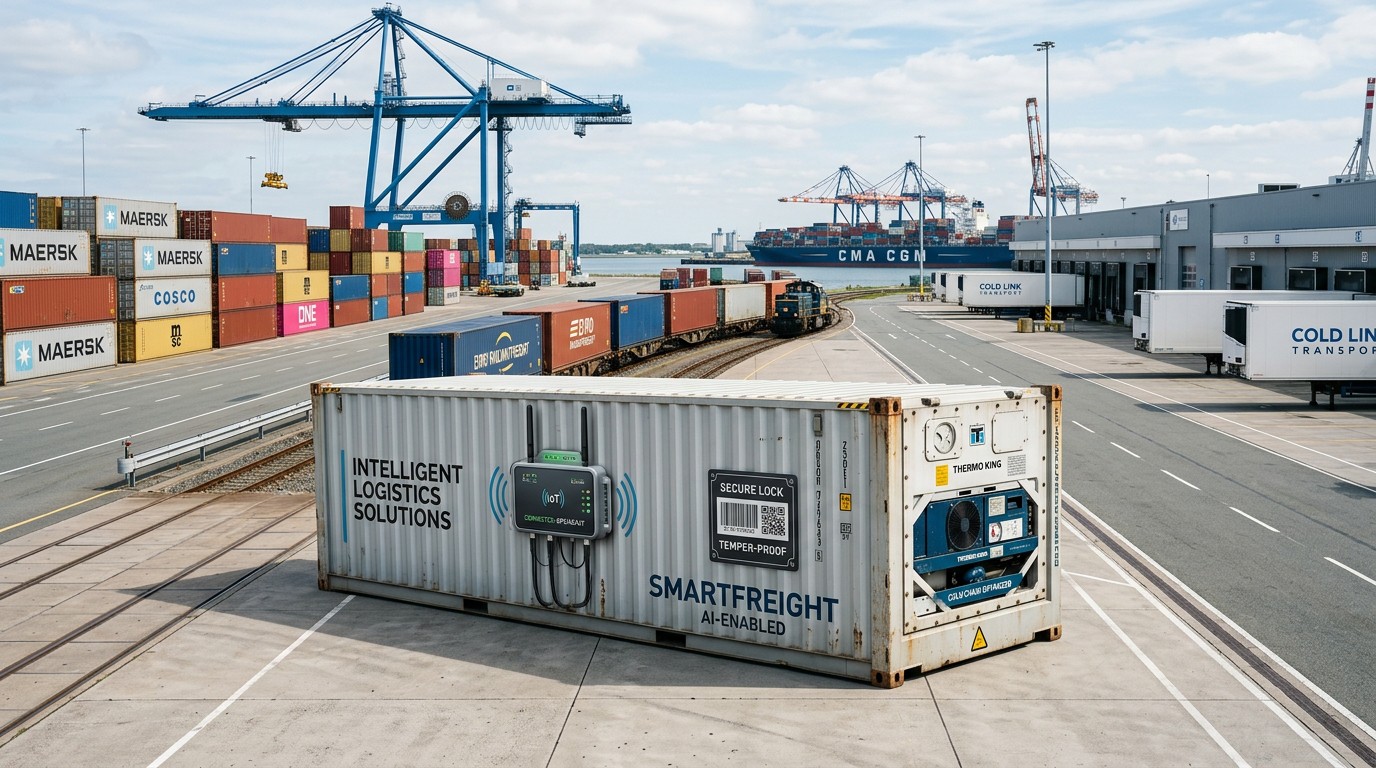
Smart containers are redefining Smart Logistics by closing cargo visibility gaps across Maritime Logistics, Intermodal Freight, and Cross-Border E-commerce Logistics. With real-time data, sensor-based monitoring, and tighter integration with Terminal Operating System platforms, they strengthen Supply Chain Resilience and improve Supply Chain Orchestration for operators managing reefer loads, high-value goods, and time-critical shipments.
Why do cargo visibility gaps still exist in modern logistics networks?
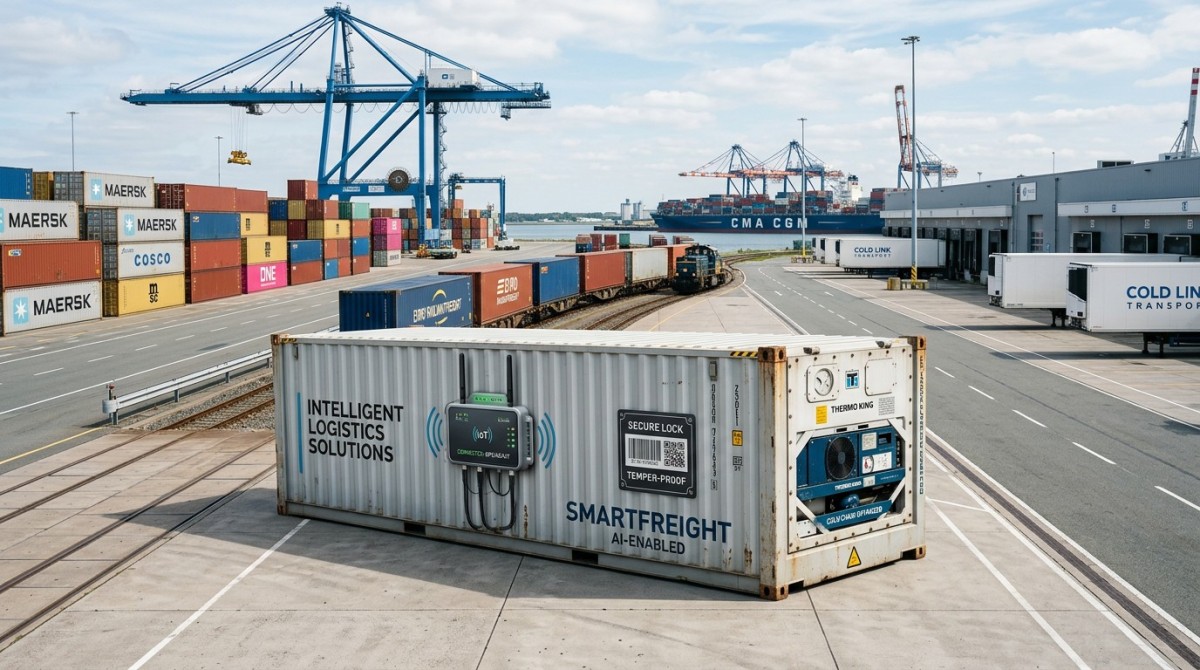
Many operators assume cargo visibility is already solved because shipments are scanned at origin, port gate, and final delivery. In reality, the largest blind spots often occur between these events: during inland drayage, transshipment dwell time, yard repositioning, customs hold, and intermodal handoff. A container can remain physically intact while its condition, location accuracy, and access history become unclear for 6–48 hours or longer.
For information researchers, the challenge is not only finding hardware specifications. The harder question is whether a smart container system can turn fragmented event data into operational decisions. For users and operators, the pain point is more immediate: they need actionable alerts, not just another dashboard. If a reefer temperature drifts, a door opens unexpectedly, or ETA confidence drops during a 2–4 day intermodal segment, response time matters more than raw data volume.
Cargo visibility gaps become more serious in cross-border and port-centric operations because multiple stakeholders touch one shipment. A single container may pass through a shipper, trucking fleet, terminal, ocean carrier, customs interface, rail operator, 3PL, and consignee. Each party may use different systems, update intervals, and exception rules. Without container-level telemetry, the orchestration layer often depends on milestone estimates rather than continuous condition awareness.
This is where the G-WLP perspective is useful. Instead of treating smart containers as isolated devices, G-WLP evaluates them as part of a broader digital and physical trade architecture: TOS integration, intermodal asset utilization, cold-chain compliance, data governance, and operational resilience under volatile freight conditions. That wider view helps buyers avoid the common mistake of purchasing tracking hardware that cannot support enterprise workflow or regulatory accountability.
Typical sources of visibility failure
- Event-based tracking updates only at checkpoints, leaving 8–24 hour gaps during inland, rail, or transshipment moves.
- Disconnected systems across TOS, ERP, WMS, telematics, and carrier portals create conflicting shipment status.
- Condition-sensitive cargo such as pharmaceuticals, food, electronics, and premium retail goods requires more than location data.
- Manual exception handling delays escalation when seals break, humidity rises, or power loss threatens reefer stability.
What makes a smart container different from standard tracking?
A standard container with basic tracking typically reports position at intervals set by carrier systems or external devices. A smart container adds a sensor layer and a communication layer directly associated with the asset. Depending on use case, it may monitor door status, shock, temperature, humidity, light exposure, battery health, geofencing events, and route deviations. This changes visibility from “where was it last seen?” to “what is happening to it now, and what should operations do next?”
The difference is especially important in reefer tech and high-value cargo flows. A pallet-level issue may begin inside a container long before a port or warehouse team notices a problem. If the device sends threshold-based alerts every 5–15 minutes for critical events and periodic heartbeat data every 30–120 minutes, operators gain a practical decision window. That window can support intervention before a claim, spoilage event, or service failure becomes irreversible.
From a procurement standpoint, buyers should separate “tracking visibility” from “operational visibility.” Tracking visibility answers position queries. Operational visibility supports decisions tied to detention risk, cargo condition, insurance exposure, SLA compliance, and asset cycle time. G-WLP frequently frames this distinction because many projects underperform when they focus on map display instead of exception workflow integration.
Another important difference lies in interoperability. In ports and intermodal networks, smart containers create more value when data can be consumed by TOS, customer portals, control towers, and customs-facing documentation workflows. The device is only one layer. The real reduction in cargo visibility gaps comes from linking telemetry, operational rules, and accountable response procedures across a 3-stage process: detect, validate, act.
Core capability comparison
The table below helps distinguish basic shipment tracking from a smart container approach used in Smart Logistics, Maritime Logistics, and Intermodal Freight operations.
For most operators, the business case is strongest when a smart container reduces avoidable exceptions rather than simply increasing data frequency. If an alert framework can cut response lag from several hours to less than one operating shift, the impact on cargo integrity and customer communication becomes much easier to justify.
Which technical factors matter most?
- Sensor fit: choose temperature, humidity, door, shock, light, or location modules based on cargo class and risk profile.
- Battery and reporting profile: high-frequency reporting improves responsiveness but affects service intervals and maintenance planning.
- Connectivity path: maritime, port yard, inland rail, and cross-border corridors may require mixed communication strategies.
- System integration: API readiness and event mapping often determine adoption success more than device specification alone.
Which logistics scenarios benefit most from smart containers?
Not every shipment needs the same level of telemetry. The strongest fit appears where cargo value, timing pressure, environmental sensitivity, or chain-of-custody risk is high. In practical terms, that includes reefer cargo, pharmaceuticals, fresh food, electronics, bonded goods, premium retail, dangerous or regulated shipments, and cross-border e-commerce parcels consolidated into containerized moves. In these flows, even a 2–6 hour blind spot can lead to claim exposure or service penalties.
Maritime Logistics gains when smart containers reduce uncertainty during port dwell and transshipment. Operators can distinguish between a delayed movement and a condition threat. Intermodal Freight gains when rail and road handoffs generate reliable event continuity. Cross-Border E-commerce Logistics gains when container-level tracking supports faster exception triage for customs delay, tamper risk, and destination promise management.
For operators, the practical question is not whether the technology is advanced, but whether it supports daily work. Can the system show which containers need action in the next 4 hours? Can it group alarms by terminal, lane, customer, or commodity? Can it reduce manual phone calls between dispatcher, yard, customs broker, and consignee? These workflow questions often separate successful deployments from pilots that remain stuck at the dashboard stage.
G-WLP’s multi-pillar expertise is relevant here because container intelligence does not sit in one silo. The value increases when smart containers are assessed against cold-chain infrastructure, intermodal equipment handling, port automation readiness, and digital orchestration requirements. That is especially useful for buyers managing mixed fleets, multi-country routes, or emission-sensitive redesign under evolving maritime decarbonization rules.
Scenario-based fit assessment
Use the following matrix to identify where smart containers can close cargo visibility gaps most effectively.
A practical rule is to start with lanes where one exception costs more than several months of monitoring. That usually points to time-critical cargo, high claim exposure, or lanes with repeated handoff uncertainty. From there, operators can expand by lane, commodity, or customer SLA tier.
Operational signals worth monitoring
- Location confidence and ETA reliability across a 12–72 hour movement window.
- Condition thresholds such as reefer temperature bands or humidity alerts for sensitive goods.
- Access control events including unauthorized door opening, light detection, or seal irregularity.
- Asset cycle time indicators such as dwell duration, idle hours, and repeat congestion points.
How should buyers evaluate smart container solutions before procurement?
A common procurement error is comparing only device price and battery claims. In B2B logistics operations, the better approach is to evaluate the full operating model. That includes deployment complexity, sensor fit, maintenance requirements, integration scope, alert quality, data governance, and service support across multiple jurisdictions. A low-cost unit may become expensive if it creates false alarms, short maintenance cycles, or data that cannot be consumed by existing systems.
For information researchers building a business case, it helps to use 5 procurement dimensions: cargo risk, route complexity, compliance exposure, system integration, and response workflow. For operators, the decision should also consider how many daily exceptions one team can handle. If a platform generates 50 alerts per day but only 10 are actionable, the problem shifts from invisibility to noise. Good selection criteria focus on relevance, not just sensing capability.
Deployment timing matters as well. A pilot may take 4–8 weeks when scope is limited to one lane and one sensor profile. A broader rollout across port, rail, and inland distribution can require phased implementation over 2–3 stages, especially when TOS mapping, API work, and SOP changes are included. Buyers should request a clear implementation path rather than only a hardware quotation.
G-WLP supports this evaluation with a technical and regulatory lens. Because the platform tracks equipment, infrastructure, rates, and compliance dynamics across five logistics pillars, buyers can benchmark not only the container device itself but also the operational environment around it. That reduces the risk of selecting a solution that works in a lab but underperforms in congested terminals or cross-border corridors.
Procurement checklist for researchers and operators
- Define the top 3 cargo risks first: spoilage, tamper, delay, compliance failure, or poor customer promise accuracy.
- Confirm reporting intervals and event-trigger rules for each lane instead of accepting one default setting.
- Ask how alerts integrate into TOS, control tower, WMS, or customer notification workflows.
- Review maintenance and battery replacement responsibilities over a 12–24 month operating horizon.
- Check whether data ownership, access permissions, and retention rules fit internal governance policy.
Selection matrix
This matrix can be used during vendor screening to compare smart container solutions on practical decision factors, not just headline features.
When buyers use a matrix like this, discussions become more concrete. Instead of debating abstract innovation, teams can compare service intervals, event logic, implementation workload, and exception-handling value in a way that supports budget approval and cross-functional alignment.
What standards, integration rules, and implementation steps should not be overlooked?
Smart containers operate in a regulated and multi-system environment. While specific certification needs depend on route and cargo, buyers should assess alignment with common logistics frameworks such as ISO-related container practices, IMO-facing maritime requirements, IATA relevance for connected air-linked segments, and internal cybersecurity or data governance rules. The goal is not to collect labels, but to ensure the solution can function credibly across global trade workflows.
Integration discipline is equally important. A smart container project usually fails when event logic is unclear. For example, should a temperature alert trigger immediately, or only after a sustained threshold breach for 15–30 minutes? Should a door-opening event at a customs inspection zone be suppressed, recorded, or escalated? These decisions must be defined before rollout. Otherwise, users face inconsistent response behavior across ports, lanes, and customers.
An effective implementation often follows 4 steps: route-risk mapping, pilot design, integration and SOP setup, then controlled scale-up. During the pilot, teams should review not only signal quality but also alert accuracy, response timing, and exception closure discipline. A 30–60 day pilot can already reveal whether the solution reduces cargo visibility gaps or merely increases operational noise.
For institutions managing port infrastructure and global trade systems, G-WLP adds value by connecting engineering benchmarks with regulatory context. That helps users evaluate whether a smart container initiative fits broader goals such as terminal digitization, intermodal synchronization, cold-chain assurance, and resilient supply chain orchestration under changing trade corridors and decarbonization pressure.
Implementation priorities
- Map 3–5 high-risk lanes where dwell, handoff, or condition failures are already visible in claims or service records.
- Define event thresholds by cargo type, such as temperature tolerance bands, route deviation radius, or door access windows.
- Connect alerts to named operational owners across terminal, transport, customer service, and compliance teams.
- Review pilot performance monthly with metrics for alert relevance, response time, and exception resolution quality.
Common misconceptions
One misconception is that more sensors automatically mean more value. In practice, adding features without a response model can slow teams down. Another misconception is that visibility equals control. Visibility only reduces cargo visibility gaps when the organization has predefined actions, escalation ownership, and system integration. A third misconception is that smart containers belong only to premium cargo. As networks become more time-sensitive and service-level commitments tighten, mid-value goods on volatile lanes can also justify deployment.
FAQ and next steps for teams planning a smart container project
Before launching a project, most teams need clarity on fit, timing, and implementation effort. The questions below reflect common concerns from information researchers and operators working across Maritime Logistics, Intermodal Freight, and Cross-Border E-commerce Logistics.
How do I know if smart containers are justified for my cargo?
Start with exception cost, not device cost. If one spoilage incident, tamper claim, premium delay, or customs-related service failure can outweigh several months of monitoring, the case is already strong. A good first screen is to review the last 6–12 months of incidents by lane, commodity, and customer SLA tier.
How long does implementation usually take?
For a narrow pilot with one lane and limited integration, 4–8 weeks is a practical planning range. Broader programs involving TOS, ERP, or control tower workflows may require staged rollout over 2–3 phases. The timeline depends less on hardware delivery and more on alert design, SOP alignment, and data governance approvals.
What should operators focus on after deployment?
Track 4 items closely: alert relevance, response time, exception closure rate, and recurring route failure points. If these are improving, your smart container program is reducing cargo visibility gaps in a meaningful way. If data volume is rising but intervention quality is not, the configuration likely needs refinement.
Why work with G-WLP when evaluating smart container strategy?
Because smart containers sit at the intersection of equipment, infrastructure, compliance, and orchestration. G-WLP brings a broader institutional view across Smart Port Automation, TOS integration, Cold-Chain Infrastructure, Intermodal Freight Equipment, and logistics technology benchmarking. That helps teams compare options in the context of real operating environments rather than isolated product claims.
Why choose us / contact us for a technical review?
If you are evaluating smart containers for reefer cargo, high-value freight, or cross-border lanes, contact G-WLP for a structured discussion around sensor requirements, route-risk mapping, TOS or platform integration, delivery planning, and compliance considerations. We can help you compare configuration options, clarify practical reporting intervals, review implementation phases, and assess where container intelligence will deliver operational value rather than extra complexity.
Teams typically engage us to validate 5 decision areas: parameter confirmation, solution selection, rollout sequence, documentation and certification expectations, and quotation scope. If your project involves port interfaces, intermodal handoffs, cold-chain monitoring, or customer-facing visibility commitments, a focused consultation can shorten vendor evaluation and improve deployment readiness.
Related Intelligence