
Reefer Technology: Which Metrics Matter Most?
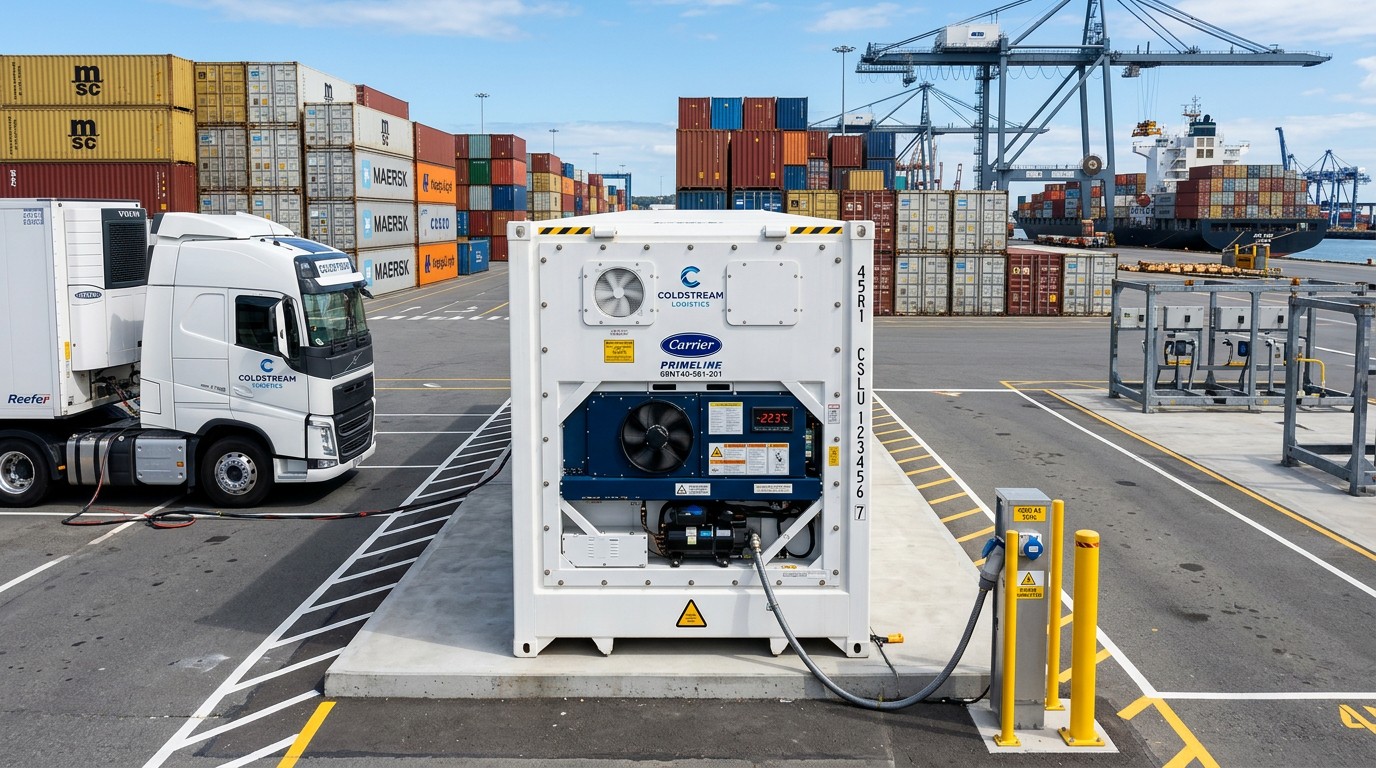
In reefer technology, the metrics that matter most are the ones that directly protect cargo, reduce operating risk, and improve cold-chain decision-making—not just the setpoint temperature on a display. For researchers and operators, the most useful way to evaluate a reefer system is to focus on a small group of high-impact indicators: temperature stability, uptime, energy consumption, alarm response, cargo-condition visibility, and compliance traceability. These metrics reveal whether a reefer operation can support smart logistics performance, supply chain resilience, and reliable maritime logistics under real-world volatility.
For most users, the practical answer is simple: if a reefer unit holds the right temperature but suffers frequent downtime, poor airflow, delayed alarms, or weak data records, it is still a high-risk asset. The best-performing cold-chain operations measure both physical performance and digital visibility, because modern reefer management is no longer only about refrigeration hardware—it is also about data quality, interoperability, and actionable control across ports, terminals, trucks, depots, and intermodal freight networks.
Which reefer metrics actually matter most in real operations?
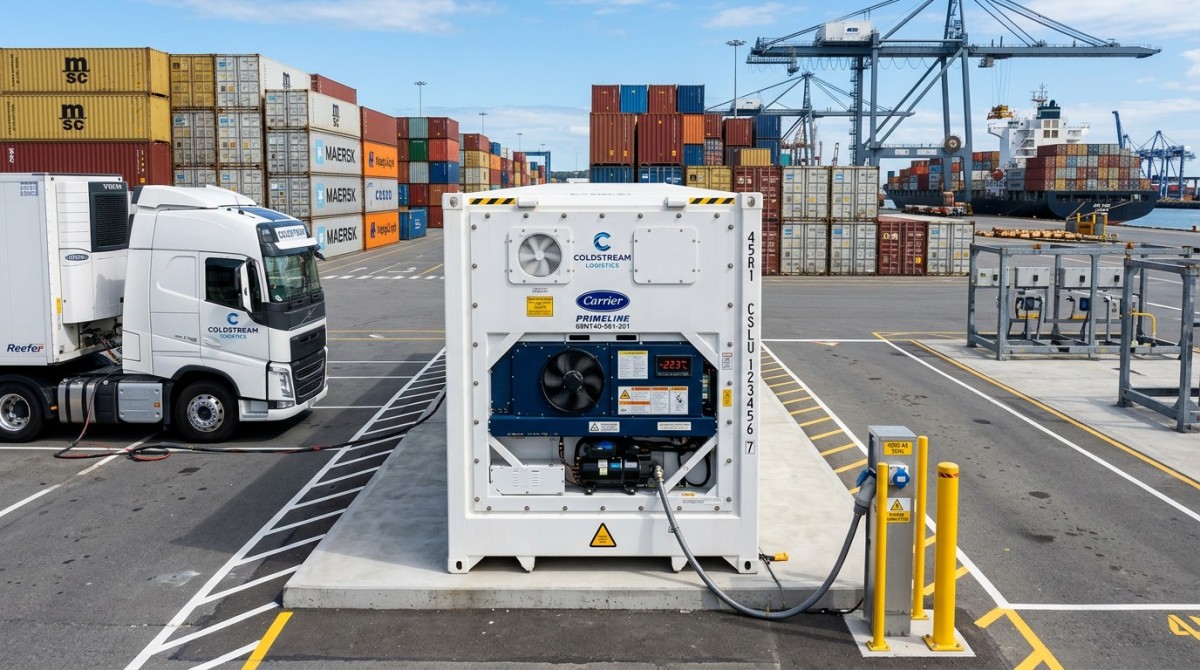
If the goal is to preserve cargo quality and maintain efficient cold-chain operations, five metric groups matter more than all others.
1. Temperature stability, not just average temperature
Many operators still over-focus on whether a reefer reached the target setpoint. In practice, the more meaningful metric is temperature stability over time. A reefer can report the correct average temperature while still exposing cargo to damaging fluctuations during loading, gate waiting, power switching, or long dwell periods.
Useful indicators include:
- Setpoint deviation frequency
- Maximum temperature excursion duration
- Return-air and supply-air consistency
- Pull-down time after loading or door events
For pharmaceuticals, seafood, dairy, frozen foods, and high-value perishables, these deviations often matter more than the nominal temperature setting itself.
2. Reefer uptime and power continuity
Uptime is one of the clearest indicators of reefer reliability. Whether the reefer is on a vessel, at a port terminal, in a yard, or moving through intermodal freight transfer points, uninterrupted operation is critical. Even short failures can trigger quality loss, claim disputes, or compliance breaches.
Operators should track:
- Reefer unit availability rate
- Power interruption frequency
- Mean time between failures
- Mean time to repair
- Plug-in compliance and connection success rate
In maritime logistics, uptime is especially important because cargo risk compounds during port congestion, transshipment delays, and irregular vessel schedules.
3. Energy efficiency per container and per cargo profile
Energy use is now a strategic metric, not just a utility cost issue. As port decarbonization targets tighten and IMO-related sustainability pressure increases, reefer operations are increasingly judged on how efficiently they maintain cargo integrity.
Useful efficiency metrics include:
- kWh per reefer per day
- kWh per ton of cargo
- Energy use by ambient temperature band
- Efficiency under partial load versus full load
- Defrost cycle efficiency
This is where operators can identify whether poor insulation, improper loading patterns, airflow restrictions, aging compressors, or unnecessary door openings are driving avoidable cost and emissions.
4. Alarm quality and response time
Alarm data is only useful if it produces timely action. A reefer fleet with many alarms but slow response remains vulnerable. That is why leading cold-chain programs measure not just alarm volume, but alarm effectiveness.
Important questions include:
- How quickly is a critical alarm acknowledged?
- How long until corrective action begins?
- Which alarms are repeated and why?
- How many alarms are false positives?
- Which alarm patterns predict failure before cargo loss occurs?
For operators, this directly affects labor efficiency, maintenance planning, and cargo claims. For information researchers, it is also a strong sign of operational maturity.
5. Data visibility and compliance traceability
Modern reefer technology should make cargo conditions visible across the full cold chain, not just inside one asset at one point in time. This includes temperature logs, humidity data where relevant, door events, shock exposure, location history, maintenance records, and chain-of-custody information.
The most important traceability metrics include:
- Sensor data completeness
- Logging interval reliability
- Data transmission success rate
- Audit-readiness of records
- System integration with TOS, telematics, WMS, and shipment platforms
Without reliable records, even a technically successful shipment may be difficult to defend during audits, customer disputes, or insurance reviews.
What do operators and researchers care about most when comparing reefer systems?
Although researchers and front-line users look at reefer technology differently, they often converge on the same practical concerns.
For information researchers
Researchers usually want to know which metrics provide a trustworthy basis for evaluating equipment, vendors, or operating models. They are often trying to answer questions such as:
- Which indicators best predict cargo risk?
- What differentiates a high-performance reefer fleet from an average one?
- Which metrics matter for port infrastructure planning or tender evaluation?
- How should digital monitoring claims be verified?
For this audience, the most valuable content is benchmarking logic, measurable definitions, and links between operational metrics and business outcomes.
For users and operators
Operators are more focused on daily execution. Their questions are usually immediate and concrete:
- How do I know which reefer unit is becoming a risk?
- Which alert requires action now?
- Why is this container consuming more power than expected?
- How do I reduce temperature excursions during transfers?
- Which KPI should be reported to supervisors or customers?
For this audience, the most useful content is procedural: what to monitor, what thresholds matter, what actions to take, and how to reduce repeat failures.
How should reefer KPIs be prioritized in smart logistics and maritime logistics?
Not all metrics deserve equal weight. In a real-world smart logistics environment, reefer KPIs should be prioritized according to cargo risk, operating environment, and decision purpose.
Priority 1: Cargo protection metrics
These are the first metrics to watch because they directly affect product quality and compliance:
- Temperature excursion rate
- Duration outside allowable range
- Return-air and supply-air variance
- Door-open event impact
Priority 2: Operational continuity metrics
These matter because even well-designed reefer systems fail if operations around them are unstable:
- Power connection uptime
- Plug-in delays at terminal or depot
- Repair turnaround time
- Inspection completion rate
Priority 3: Cost and sustainability metrics
These become especially important at scale and under decarbonization pressure:
- Energy consumption per move or dwell period
- Maintenance cost per reefer cycle
- Carbon intensity of reefer operations
- Asset utilization efficiency
Priority 4: Intelligence and orchestration metrics
These are essential for supply chain orchestration and digital maturity:
- Real-time visibility coverage
- System integration rate
- Predictive maintenance accuracy
- Exception management response performance
This hierarchy helps prevent a common mistake: treating all available data as equally important. In reality, the best cold-chain teams focus first on cargo integrity, then on continuity, then on efficiency and optimization.
What metrics help prevent hidden cold-chain failures?
Some of the most damaging reefer failures are not sudden breakdowns. They are slow, hidden performance losses that go unnoticed until cargo quality declines or costs rise.
To detect these hidden issues early, watch for the following:
- Longer pull-down times: may indicate refrigerant issues, dirty condensers, poor loading practice, or weakened insulation.
- Rising energy use without weather explanation: can signal mechanical inefficiency or airflow obstruction.
- Recurring minor alarms: often early warnings of bigger component failure.
- Uneven temperature patterns between shipments: may reveal inconsistent cargo stowage or sensor issues.
- Frequent manual interventions: usually point to process weakness, not just equipment weakness.
For operators, these are actionable warning signs. For fleet managers and infrastructure planners, they support better maintenance strategies and capital planning.
How can teams use reefer metrics to make better operational decisions?
The value of a metric depends on whether it changes a decision. Good reefer KPI design should support action at three levels.
At the equipment level
Use metrics to identify units that need inspection, maintenance, recalibration, or replacement. A unit with frequent excursions and poor efficiency should not be treated as equivalent to one that simply still runs.
At the site level
Ports, depots, and distribution nodes should use reefer metrics to optimize plug allocation, inspection workflows, labor scheduling, and alarm escalation. For example, repeated power continuity issues may indicate infrastructure constraints rather than container defects.
At the network level
For larger supply chain orchestration, reefer metrics help determine which routes, transfer points, or partners create the most cold-chain risk. This is especially valuable in intermodal freight systems where handoffs increase exposure.
Once reefer data is tied to route performance, dwell time, congestion history, and service reliability, organizations can move from reactive cargo protection to predictive cold-chain control.
Which mistakes cause reefer metrics to be misunderstood?
Several common mistakes reduce the value of reefer analytics:
- Using only average temperature: averages hide dangerous swings.
- Ignoring context: ambient heat, cargo density, dwell time, and door events all affect interpretation.
- Tracking too many KPIs: this creates dashboard noise and slows response.
- Separating equipment data from operational data: reefer performance should be linked with terminal, transport, and handoff conditions.
- Failing to define thresholds clearly: teams need action limits, not just raw numbers.
Strong reefer reporting is not about showing more data. It is about showing the few metrics that support faster, better, and lower-risk decisions.
Conclusion: the most important reefer metrics are the ones that protect cargo and improve control
If you need a practical answer to the question “Which metrics matter most in reefer technology?”, start with this: temperature stability, uptime, energy efficiency, alarm response, and end-to-end data traceability. These are the metrics most closely tied to cargo integrity, operational continuity, and smart logistics performance.
For researchers, these indicators provide a credible basis for comparing systems, vendors, and infrastructure readiness. For operators, they offer a direct framework for daily monitoring, faster intervention, and lower cold-chain risk. In a market shaped by stricter compliance, port digitization, intermodal complexity, and supply chain volatility, the reefer systems that perform best will be the ones measured by the right KPIs—and managed with the discipline to act on them.
Related Intelligence