Reefer Technology Problems That Often Go Unnoticed in Transit
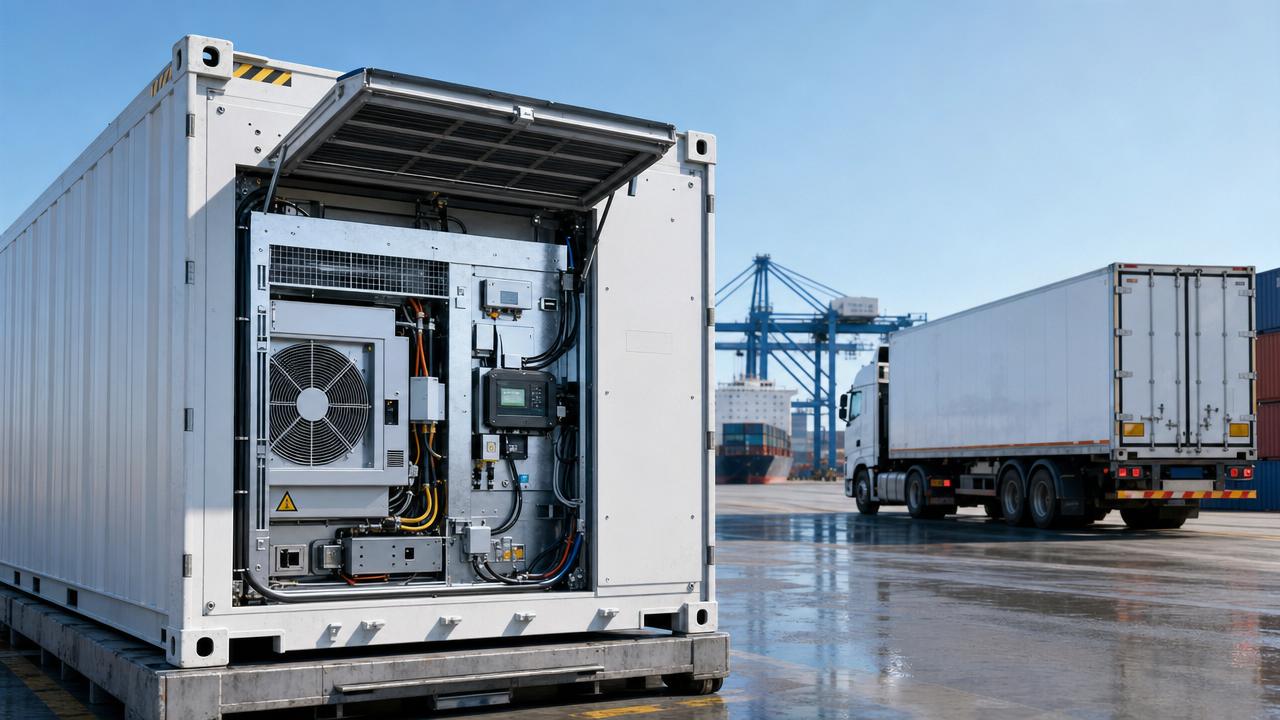
In cold-chain logistics, visible breakdowns are only part of the risk. Many Reefer Technology issues develop quietly during transit and remain undetected until cargo quality declines.
Small deviations in temperature sensing, controller timing, airflow balance, and power continuity can weaken product integrity, traceability, and service reliability across ports, roads, and intermodal handoffs.
For maintenance planning and operational control, spotting these hidden weak points early helps reduce cargo claims, compliance gaps, and costly repeat interventions.
Why Reefer Technology needs a structured inspection approach
Reefer Technology operates across mechanical, electrical, digital, and environmental layers. A unit may appear functional while still drifting outside safe performance margins.
Transit conditions add vibration, humidity, door openings, unstable power, and delayed servicing. These factors can hide problems that standard visual checks often miss.
A checklist-based process improves consistency. It also supports faster fault isolation, clearer maintenance records, and stronger alignment with cold-chain compliance expectations.
Core Reefer Technology checks that often prevent unnoticed transit failures
- Verify sensor calibration against a trusted reference before dispatch, because minor probe drift can create acceptable-looking logs while actual cargo temperatures move outside target limits.
- Review controller firmware version and event history, since outdated logic may delay alarm response, misread operating states, or mishandle recovery after short power interruptions.
- Inspect power connectors, cable strain, and plug surfaces for heat marks or corrosion, as unstable connections can trigger brief shutdowns without generating obvious visible damage.
- Check evaporator and condenser airflow paths for blockage, ice buildup, or debris, because restricted circulation reduces cooling efficiency and causes uneven temperature zones.
- Confirm return-air and supply-air readings remain logically consistent, since abnormal gaps may signal sensor placement issues, airflow imbalance, or incorrect cargo loading patterns.
- Test door gaskets, latch alignment, and seal compression carefully, because small air leaks increase compressor load and create hard-to-detect moisture and temperature instability.
- Assess defrost cycle timing and completion records, as incomplete or excessive defrost behavior can slowly reduce system performance during long-haul reefer transportation.
- Validate data logger synchronization with control settings and timestamps, because mismatched records complicate root-cause analysis and weaken cold-chain audit credibility.
- Inspect drains, moisture paths, and internal condensation patterns, since trapped water may freeze, restrict airflow, or indicate insulation and sealing weaknesses.
- Review battery health and memory retention functions where applicable, because weak backup support can erase alarms, reset parameters, or interrupt diagnostics after power loss.
- Check compressor cycling frequency under load, as unusually rapid starts and stops may point to control instability, poor heat exchange, or hidden electrical issues.
- Inspect cargo stowage clearance from air channels, because even well-performing Reefer Technology can fail to protect product when packaging blocks designed airflow routes.
How overlooked Reefer Technology problems appear in different transit scenarios
Port dwell and terminal connection periods
During port dwell, reefer units may experience repeated plugging and unplugging. Voltage inconsistency and rushed reconnection checks can create hidden restart faults.
Focus on power quality, alarm continuity, and restart behavior. Event logs should match actual handoff timing across terminal infrastructure and service records.
Long-haul ocean transit
At sea, problems often build slowly. Salt exposure, vibration, and limited physical access allow small Reefer Technology weaknesses to persist for days.
Watch for gradual sensor divergence, condenser fouling, and irregular defrost performance. Trend analysis is more useful than single-point readings in this stage.
Cross-border truck and intermodal transfer
Transfer points increase exposure to door openings, idling variations, and mechanical shock. These moments frequently trigger unnoticed parameter resets or airflow disruption.
Check timestamp continuity, setpoint retention, and load pattern integrity after every interchange. Short transfer delays can still damage sensitive cold-chain cargo.
High-value pharmaceuticals and sensitive foods
In stricter cargo profiles, narrow tolerance ranges make small Reefer Technology errors operationally significant even before full alarm thresholds are reached.
Use tighter verification for calibration, logger alignment, and recovery time after door events. Compliance depends on both actual control and clean evidence.
Frequently ignored warning signs that deserve immediate attention
Stable setpoint, unstable product condition
A correct setpoint does not prove uniform cooling. Air short-cycling, blocked vents, or sensor bias can hide cargo-side temperature stress.
Intermittent alarms that self-clear
Brief alarms are often dismissed after normal operation resumes. Yet they may indicate power instability, controller lag, or early component fatigue.
Slightly longer pull-down times
When pull-down gradually slows, the issue may be condenser contamination, refrigerant imbalance, or airflow restriction rather than ambient temperature alone.
Moisture where none was expected
Unexpected condensation can point to door leakage, insulation weakness, or abnormal defrost behavior. Left unchecked, it often becomes a larger airflow problem.
Data gaps between devices
If logger data, controller records, and platform timestamps do not align, the Reefer Technology system may still cool, but traceability becomes unreliable.
Practical execution steps for stronger Reefer Technology reliability
- Create a pre-trip inspection routine that combines calibration checks, airflow verification, seal inspection, and power-connection review into one documented sequence.
- Use exception-based trend monitoring, not only threshold alarms, so small performance drift in Reefer Technology can be flagged before cargo impact occurs.
- Standardize firmware control and service intervals across fleets to reduce inconsistent behavior between units operating on different software or maintenance histories.
- Record every power interruption, parameter reset, and manual override, because hidden human intervention often explains unexplained cold-chain deviations later.
- Pair physical inspection findings with digital logs after each transit stage, allowing service teams to connect visual symptoms with operating data accurately.
Maintenance priorities that support long-term transit performance
Reliable Reefer Technology depends on repeatable maintenance discipline, not only component replacement. Small preventive actions usually cost less than reactive cargo recovery.
Focus first on calibration integrity, connector condition, airflow cleanliness, and software consistency. These areas commonly influence both thermal control and audit readiness.
Where fleets interact with ports, depots, and cross-border lanes, unified records matter. Shared technical visibility reduces handoff confusion and speeds fault confirmation.
Conclusion and next actions
The most damaging Reefer Technology failures in transit are often the least visible. They emerge as drift, delay, imbalance, or incomplete data rather than dramatic shutdowns.
A disciplined inspection sequence helps detect these weak signals early. It also improves cargo protection, compliance confidence, and service efficiency across global logistics operations.
Start by auditing current reefer checks against the points above. Then align field inspections, digital records, and corrective actions into one measurable Reefer Technology control process.
Related Intelligence