
Procurement Risk Management Strategy: How to Reduce Supplier Disruptions
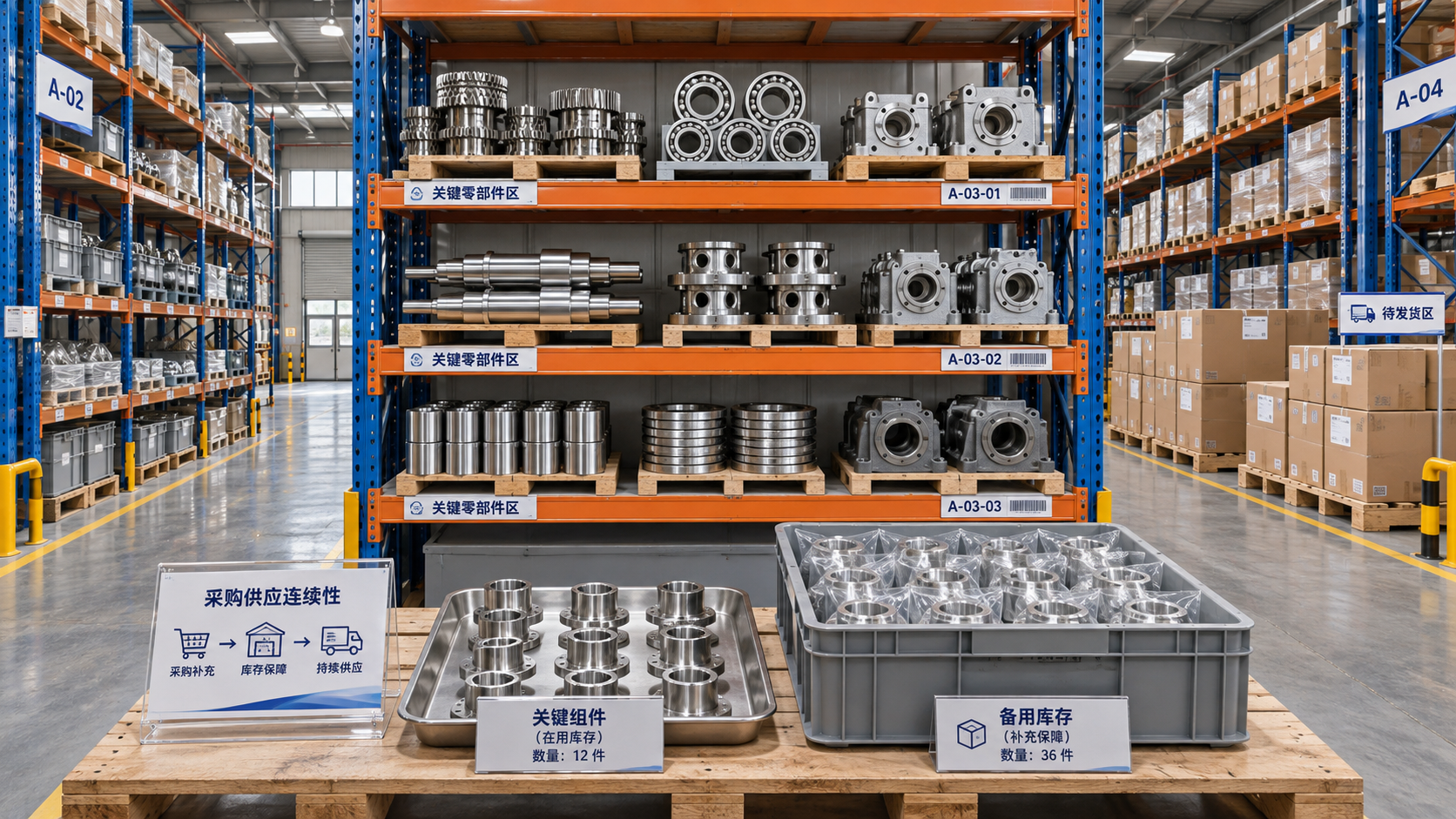
Supplier disruptions can derail production schedules, increase costs, and put customer commitments at risk. A procurement risk management strategy helps teams identify vulnerabilities before operations suffer.
Start with the materials and suppliers that could stop production or prevent customer delivery. Then assess alternatives, set warning triggers, and prepare practical response plans.
The goal is not to eliminate every disruption. It is to reduce exposure where the business would struggle to recover and respond faster when problems occur.
Which procurement risks should you address first?
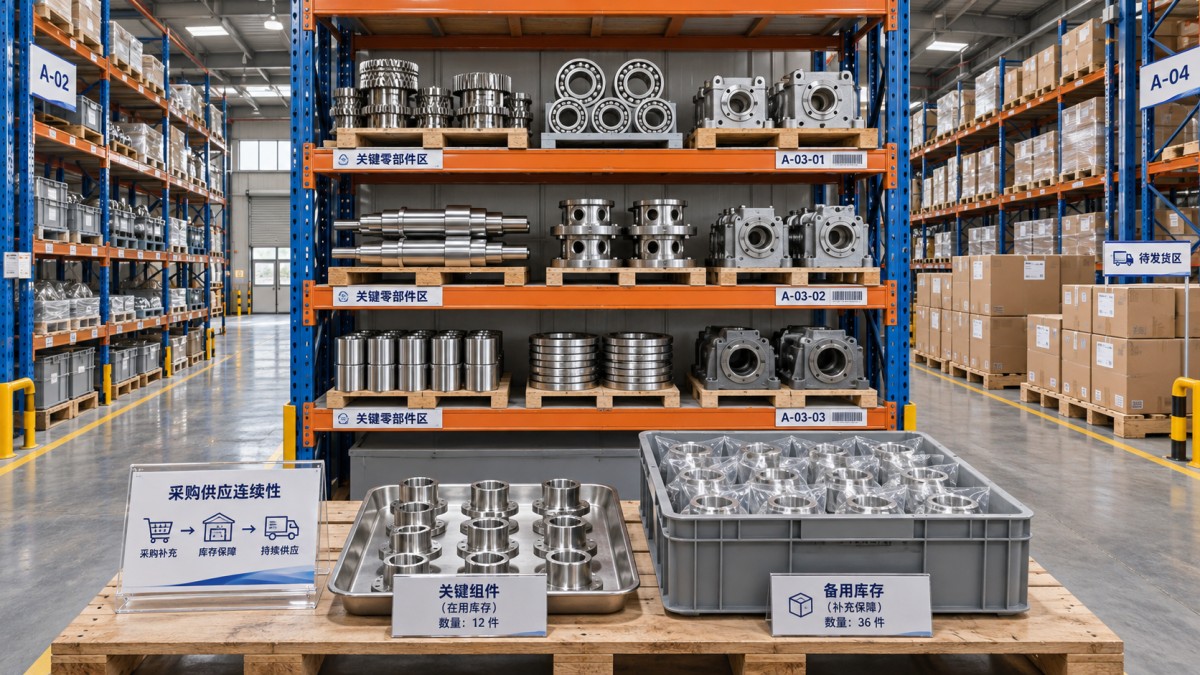
Begin with a list of critical purchased items, their suppliers, production sites, lead times, and the products or customers that depend on them.
Rank each item by business impact and recovery difficulty. A low-cost component may deserve more attention than expensive equipment if its absence can halt a production line.
Consider how long operations can continue without a delivery, how quickly another source can be qualified, and whether customers accept substitute materials or specifications.
For each critical item, ask whether the company depends on one supplier, one factory, one transport route, or a shared upstream source such as a specialized mill.
Two approved suppliers do not necessarily provide two independent options. They may buy the same raw material from one producer or operate facilities in the same region.
Record the likely consequence of failure in practical terms: production days lost, delayed orders, additional freight costs, safety exposure, or contractual penalties.
Use a simple risk register to assign an owner, review date, current controls, and next action. Prioritize decisions over producing a perfect risk score.
How do you assess supplier risk consistently?
Assess critical suppliers across financial health, operational capacity, quality, delivery performance, geographic exposure, compliance, and their dependence on key subcontractors or materials.
Ask suppliers for evidence that matches the risk. Useful documents may include capacity reports, quality records, continuity plans, relevant certifications, and financial information they can share.
Financial warning signs can include repeated requests for early payment, abrupt changes in payment terms, reduced maintenance, or persistent difficulty obtaining essential materials.
These signals do not prove a supplier is failing. Discuss changes directly, seek context, and use several indicators before changing sourcing or payment decisions.
Operational reviews should examine available capacity, equipment condition, labor constraints, backup utilities, and the time required to restore production after a disruption.
Check quality trends alongside delivery data. A supplier that ships on time but produces rising defect rates may still threaten the production schedule.
For imported goods, examine customs documentation, product classification, applicable sanctions, origin requirements, and changes in trade rules with qualified internal or external specialists.
Repeat assessments at a frequency suited to the exposure. A critical single-source supplier may need quarterly reviews, while a low-impact supplier may need annual checks.
How can you find hidden supplier dependencies?
Map the supply chain beyond the company that sends the invoice. Identify manufacturing locations, key sub-suppliers, processing steps, ports, and logistics providers where information is available.
Start with items that are difficult to replace. Request the origin of critical materials and the location of processes that could create a production bottleneck.
In metals procurement, for example, a fabricator may depend on a particular mill, alloy, heat-treatment provider, or certification process that cannot be substituted immediately.
Record where information remains unknown. A missing sub-supplier location is itself a visibility gap that may justify further discussion or an alternative sourcing investigation.
Suppliers may be reluctant to disclose commercially sensitive details. Agree on confidentiality protections and ask first for the information needed to assess continuity.
Update the map when a supplier changes factories, tooling, subcontractors, or transport routes. An outdated map can create false confidence during an incident.
When does supplier diversification make sense?
Diversification is most valuable when an interruption would cause significant damage and a second source can realistically produce, qualify, and deliver the required item.
Compare the cost of qualification, tooling, testing, minimum order quantities, and split volumes with the potential cost and duration of a supply interruption.
A second supplier should add meaningful independence. Assess its production location, energy supply, upstream materials, financial ownership, and logistics routes before treating it as a backup.
Qualification must include technical and commercial requirements. Confirm specifications, quality performance, capacity, lead time, pricing, packaging, and any customer or regulatory approval requirements.
If possible, place periodic orders with the alternative supplier. An approved source that has not produced the item recently may need time to restart production.
For proprietary tooling, clarify ownership, maintenance, access, and transfer rights in the contract. Physical possession and technical documentation can determine whether an alternative can operate.
Diversification is not always economical. For a low-impact item with readily available substitutes, monitoring the market may be sufficient without maintaining a second contract.
When only one qualified source exists, combine other controls: agreed recovery plans, spare tooling, strategic inventory, stronger visibility, and a funded qualification project where feasible.
How much safety stock should you hold?
Safety stock buys recovery time, but it ties up cash and can become obsolete. Set inventory levels according to disruption exposure rather than applying one blanket rule.
Estimate demand during the expected recovery period, then consider normal lead-time variability, stock already in transit, shelf life, storage constraints, and available substitutes.
For example, if a critical component consumes 100 units per day and a qualified backup needs 20 days to deliver, the initial exposure is 2,000 units.
Adjust that estimate for existing inventory, confirmed incoming shipments, production flexibility, and the possibility that the backup cannot immediately supply the full daily requirement.
Decide where the buffer should sit: at your facility, with the supplier, or at a third-party warehouse. Confirm ownership, access rights, replenishment rules, and stock condition.
Review buffers after demand shifts, lead-time changes, supplier qualification, or product redesign. Inventory that no longer addresses a specific risk may be better deployed elsewhere.
What should a supplier disruption plan contain?
A useful plan tells the team what to do before a shipment is late. Create one for each exposure that could materially affect operations.
Define the triggering event, such as a factory shutdown, missed production milestone, customs hold, or inventory falling below an agreed number of production days.
Name a decision owner and backups, with current contact details for procurement, the supplier, operations, quality, logistics, finance, and customer-facing teams.
Set out immediate actions: verify available stock, confirm orders in transit, estimate the shortage date, and ask the supplier for a documented recovery schedule.
List approved alternatives and their constraints. Include substitute materials, qualified factories, available tooling, expedited freight options, and any approvals needed before switching.
Specify who can authorize extra spending, change production priorities, or allocate limited stock. Delayed decisions can erase the benefit of having a contingency plan.
Agree on communication intervals and escalation thresholds. A daily update may be appropriate during a shutdown, while a developing capacity concern may need weekly reviews.
Test the plan through a short tabletop exercise. Ask participants to work through a realistic disruption and identify missing contacts, permissions, data, and supplier commitments.
Which warning indicators should procurement monitor?
Choose a small set of indicators linked to decisions. Metrics are useful only when someone owns them and knows what action a change should trigger.
On-time delivery can reveal deterioration, but define it consistently: compare actual receipt or shipment dates against the agreed date and account for quantity delivered.
Track lead-time changes, order confirmations, quality defects, open corrective actions, and production capacity. Review trends as well as individual missed targets.
For critical items, monitor inventory coverage in days against the time needed to restore supply or activate an alternative. Investigate when the gap narrows.
External signals may include port congestion, severe weather alerts, energy interruptions, raw material shortages, and trade-policy changes affecting relevant origins or routes.
Set thresholds with operations and suppliers. For example, two consecutive late deliveries may trigger a review, while a confirmed factory shutdown activates the response plan.
A dashboard can improve visibility, but it does not replace supplier conversations. Validate unusual data and agree on corrective actions with dates and responsible owners.
How should contracts support supply continuity?
Contracts should reflect the risks identified during sourcing. Involve legal and operational teams when defining obligations, remedies, and the practical steps suppliers can deliver.
Depending on the relationship, discuss notification requirements for disruptions, material changes, subcontractor changes, capacity constraints, and expected recovery timelines.
For critical products, consider provisions covering continuity plans, access to tooling, records, inventory arrangements, quality requirements, and cooperation during a transfer of production.
Clarify allocation rules when supply is constrained. A backup commitment has limited value if the supplier has also promised the same capacity to multiple customers.
Review force majeure, liability, and termination terms with counsel under the applicable law. Contract language can support recovery, but it cannot create unavailable production capacity.
Check that the agreed controls are funded and operational. A continuity clause is stronger when both parties have tested the underlying process and know their responsibilities.
How can procurement put the strategy into action?
In the first month, identify critical items, map direct suppliers and sites, and build a risk register with named owners and review dates.
During the next month, assess the highest-priority suppliers, verify inventory coverage, and identify gaps in alternate sourcing, tooling access, and disruption contacts.
Use the third month to launch the most valuable controls: qualify an alternative, adjust a targeted buffer, negotiate a continuity commitment, or test a response plan.
Track progress through measures such as the share of critical items with assessed suppliers, documented recovery plans, and viable alternatives or other approved controls.
Report both progress and unresolved exposure to management. Include the estimated business impact, proposed action, cost, decision owner, and deadline for each major risk.
Review the strategy after an actual disruption or major business change. Capture what delayed recovery, update assumptions, and assign owners to the resulting improvements.
Conclusion
An effective procurement risk management strategy starts with business-critical dependencies and connects each significant exposure to a practical control, an owner, and a response decision.
Prioritize independent sourcing, appropriate inventory, supplier visibility, and tested recovery plans where they deliver the greatest protection. Review the trade-offs as demand and supply conditions change.
Related Intelligence