
Hydrogen Logistics Solutions: Cost, Storage, and Delivery Options
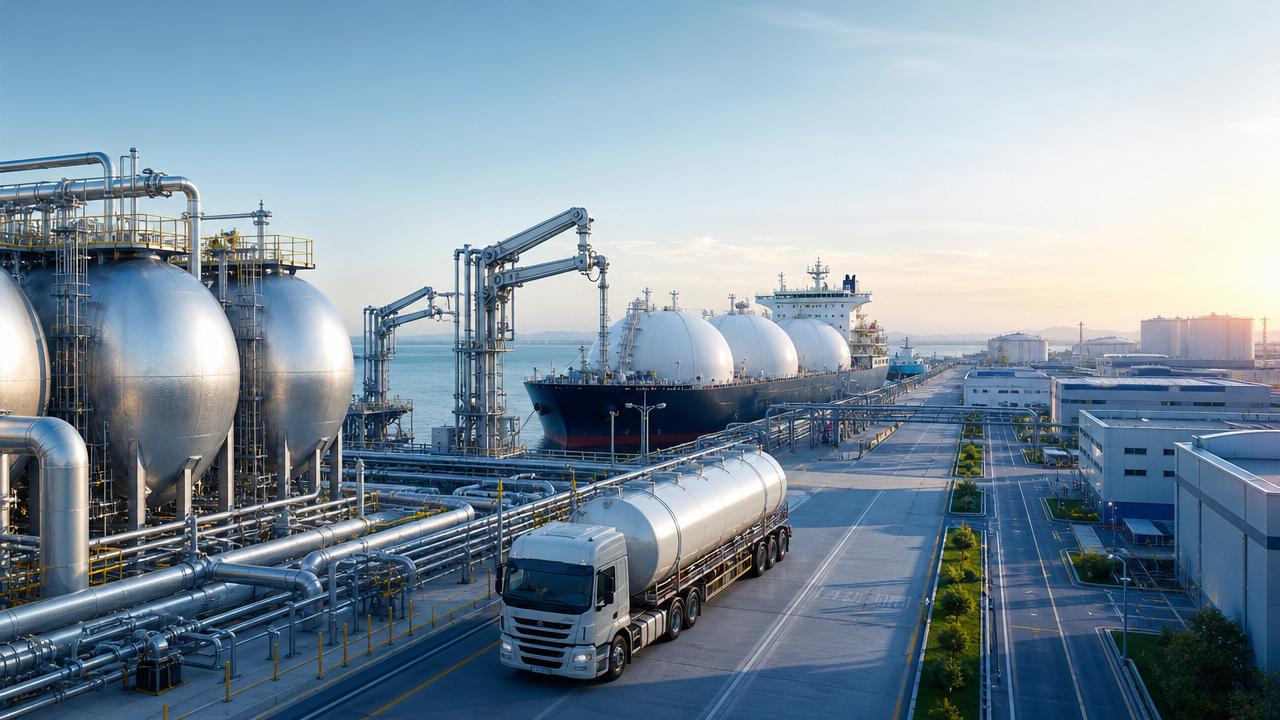
Hydrogen Logistics Solutions sit at the center of a larger clean energy question: producing hydrogen is only one part of the value chain, but moving it safely, economically, and reliably often decides whether a project works in practice.
That is why cost, storage, and delivery options now receive close attention across industry, manufacturing, global trade, and supply chain planning. For companies comparing energy inputs, transport models, or sourcing regions, the logistics layer is no longer a secondary detail.
In real purchasing decisions, the issue is rarely just hydrogen price at the plant gate. The more relevant benchmark is delivered cost, including compression, liquefaction, storage equipment, transport distance, handling losses, safety controls, and contract risk.
Why hydrogen logistics has become a business issue
Hydrogen is gaining interest in steelmaking, chemicals, refining, heavy transport, backup power, and industrial heat. Yet its physical properties make logistics more complex than many conventional fuels.
It has low volumetric energy density in gaseous form. It may require high-pressure compression, cryogenic liquefaction, or chemical conversion before transport. Each route changes equipment needs and cost structure.
From the perspective of Baozhen Industrial Intelligence Portal, this topic matters because it connects several industrial themes at once. It links energy equipment, factory operations, metals decarbonization, international sourcing, compliance, and supply chain resilience.
For that reason, Hydrogen Logistics Solutions should be evaluated as part of operational design, not only as an energy procurement line item.
What Hydrogen Logistics Solutions actually include
In simple terms, Hydrogen Logistics Solutions cover the systems used to store, move, and deliver hydrogen from production source to point of use.
That can involve on-site storage tanks, tube trailers, liquefied hydrogen tankers, pipelines, port handling facilities, cylinders, compressors, vaporizers, and monitoring systems.
Some supply chains also include carrier-based transport. Hydrogen may be converted into ammonia, methanol, or liquid organic hydrogen carriers for long-distance movement, then used directly or converted back later.
The right solution depends on scale, distance, consumption pattern, infrastructure maturity, and safety capability at the receiving site.
A practical way to frame the choice
Most decisions can be grouped around three questions: how much hydrogen is needed, how far it must travel, and how stable the demand profile will be over time.
Small and irregular demand often favors flexible delivery. Large and continuous demand may justify fixed infrastructure, even when initial capital spending is much higher.
The main delivery models and where they fit
Not every delivery route serves the same operating context. The table below highlights how common Hydrogen Logistics Solutions are usually compared in business planning.
Usually, compressed gas works well for pilot projects and distributed industrial users. Liquefied delivery becomes more attractive when demand volume rises and distance starts to penalize trailer efficiency.
Pipelines are often the long-term target in mature industrial zones. However, they only make sense when throughput, land access, and multi-year demand visibility are strong enough.
Where cost really comes from
Many comparisons fail because they look only at transport mode. In reality, total cost in Hydrogen Logistics Solutions is built from several layers that interact with one another.
- Pre-transport conditioning, such as compression, purification, or liquefaction.
- Storage asset cost, including tanks, cylinders, cryogenic vessels, and pressure systems.
- Transport distance, routing efficiency, payload utilization, and return logistics.
- Site handling requirements, including unloading systems and safety infrastructure.
- Product loss, especially boil-off, venting, or downtime-related inefficiency.
- Regulatory cost, insurance, customs treatment, and documentation burden.
A low ex-works hydrogen price can become uncompetitive after delivery adjustments. On the other hand, a supplier with higher production cost may still win if the logistics network is closer, denser, and more reliable.
This is especially relevant in cross-border trade. Port infrastructure, hazardous cargo procedures, and local transport restrictions can change landed cost more than expected.
Cost comparison should use the delivered use case
A useful benchmark is cost per usable kilogram at the receiving process, not cost per kilogram shipped. That method captures losses, pressure requirements, and site conversion expenses.
Storage decisions shape safety and flexibility
Storage is not only a buffer between supply and consumption. It also determines operating rhythm, emergency readiness, and how much interruption a site can absorb.
Compressed hydrogen storage is common for smaller or decentralized operations. It is relatively straightforward, but footprint, pressure management, and refill frequency need close review.
Cryogenic storage supports larger volumes, yet introduces boil-off and insulation performance issues. The economic case improves when throughput is high and inventory does not remain idle for long periods.
Underground storage, such as salt caverns, may become important in certain regions. Still, it is a strategic infrastructure option rather than a near-term answer for most industrial users.
Safety cannot be separated from layout
Hydrogen’s small molecule size and flammability profile require disciplined engineering. Ventilation, leak detection, separation distances, metallurgy, valve quality, and maintenance standards are all part of logistics design.
This creates a direct connection with industrial safety, equipment maintenance, and factory operations. A technically sound supply option can still be impractical if the receiving site cannot support the required controls.
Typical scenarios across industry and trade
Different sectors approach Hydrogen Logistics Solutions from different starting points. The logistics answer should follow process reality rather than abstract energy preference.
This is where industry information platforms become useful. Reliable decisions require not only engineering data, but also visibility into metal demand, freight conditions, energy policy, and sourcing constraints across regions.
How to evaluate options without oversimplifying
A practical review of Hydrogen Logistics Solutions should compare more than technical feasibility. Commercial fit and operational resilience matter just as much.
- Map annual demand, peak demand, and minimum continuity requirements.
- Separate short-term pilot needs from long-term infrastructure strategy.
- Check whether site layout supports storage, unloading, and safety zoning.
- Compare domestic and imported supply with full landed cost assumptions.
- Review contract terms for purity, delivery reliability, and loss allocation.
- Watch policy signals, port rules, and hazardous goods compliance changes.
In many cases, the most sensible path is staged adoption. A site may begin with delivered gas, shift to liquid supply as volume increases, and later join a cluster pipeline network if local infrastructure develops.
That phased view reduces commitment risk while keeping strategic options open.
What deserves attention next
Hydrogen Logistics Solutions will keep evolving as electrolyzer costs, regional incentives, port investments, and industrial decarbonization targets change. The winning model in one market may not translate directly to another.
The most useful next step is to build a decision framework around delivered cost, storage practicality, infrastructure readiness, and supply risk. When those benchmarks are clear, supplier comparisons become more realistic and more actionable.
For companies tracking energy transition, manufacturing competitiveness, and cross-border sourcing, hydrogen logistics should be read as a connected industrial system. That wider view usually leads to better timing, better contracts, and fewer downstream surprises.
Related Intelligence