
How to Choose Industrial Electrification Equipment for Retrofit Projects
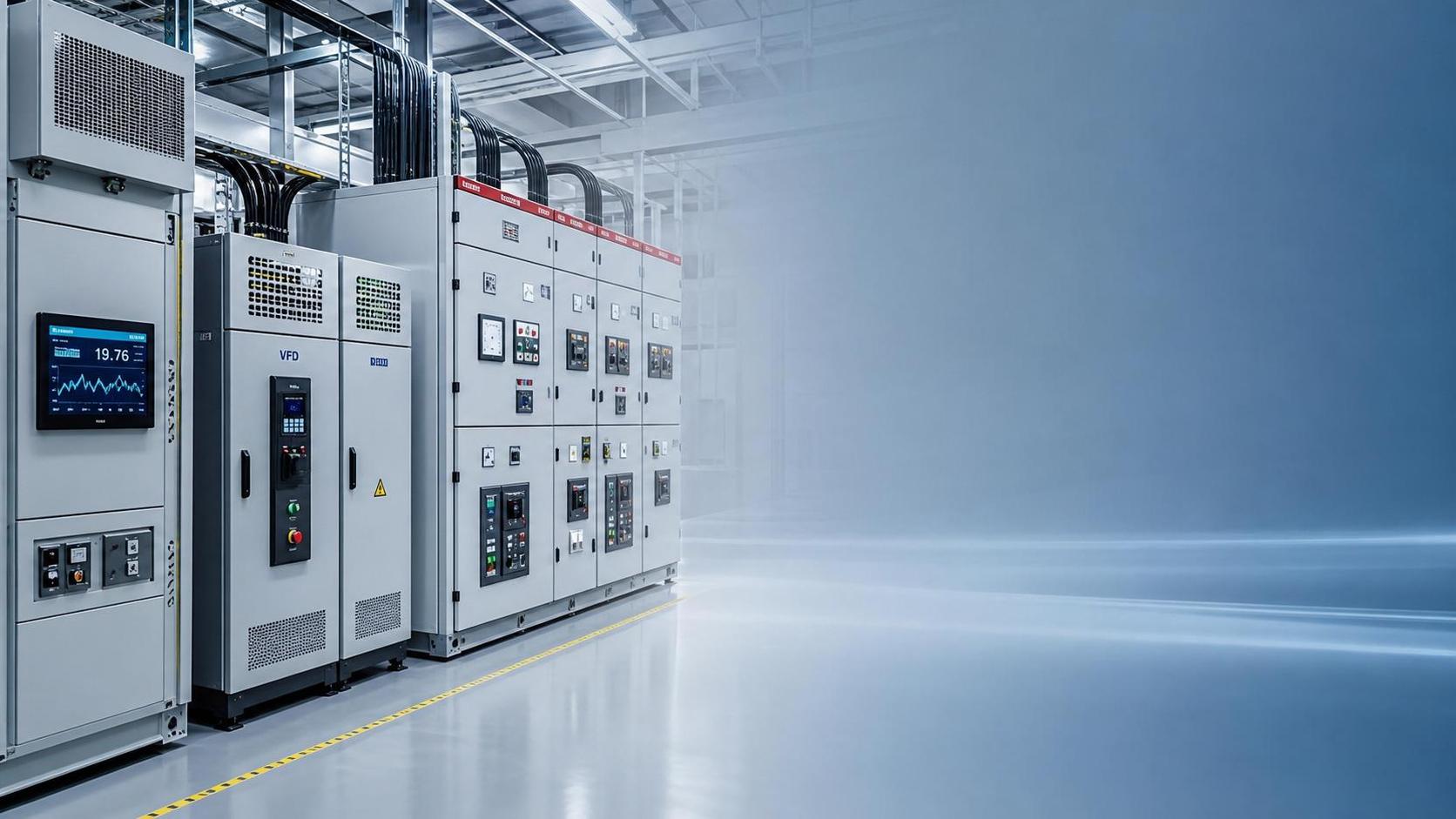
How to Choose Industrial Electrification Equipment for Retrofit Projects
Choosing the right industrial electrification equipment for retrofit projects can determine whether an upgrade improves efficiency, safety, and long-term operating costs or creates new bottlenecks.
The decision is rarely about one product alone.
In most retrofit programs, existing infrastructure, operating loads, compliance rules, and production continuity all shape the final equipment choice.
That is why industrial electrification equipment selection needs a system view.
A motor control center may look cost-effective on paper.
But if it cannot integrate with plant automation, support future expansion, or handle site conditions, the retrofit may underperform.
This guide breaks down how to evaluate industrial electrification equipment in a practical, risk-aware way, with a focus on retrofit decision-making.
Start with the retrofit scope, not the catalog
A common mistake is starting from equipment brochures.
A better starting point is the operational problem the retrofit must solve.
That problem may be unstable power quality, aging switchgear, poor motor efficiency, limited monitoring, or rising maintenance cost.
When the scope is clear, industrial electrification equipment can be matched to measurable outcomes.
Define the retrofit in four layers:
- Current asset condition and failure history
- Required production performance after upgrade
- Site limitations such as space, heat, dust, and downtime windows
- Business targets including energy savings, safety, and lifecycle cost
This step prevents overbuying and under-specifying at the same time.
It also helps compare industrial electrification equipment options against real constraints rather than generic performance claims.
Map the existing electrical environment first
Retrofit risk usually comes from hidden incompatibility.
Before selecting industrial electrification equipment, document the current electrical architecture in detail.
Review voltage levels, transformer capacity, short-circuit ratings, feeder structure, grounding methods, harmonics, and load balance.
Also check how electrical systems connect with PLCs, SCADA, drives, sensors, and plant data platforms.
In actual projects, compatibility issues often appear in areas that look minor at first:
- Legacy communication protocols
- Cabinet footprint and cable entry layout
- Insufficient panel cooling
- Breaker coordination gaps
- Lack of spare capacity for future loads
The more accurate this map is, the more reliable your industrial electrification equipment decision becomes.
Focus on the equipment categories that drive retrofit results
Not every component has the same impact on retrofit value.
For most industrial sites, several categories of industrial electrification equipment deserve close evaluation.
Power distribution and switchgear
These assets affect safety, uptime, and expansion flexibility.
Check rated current, fault withstand capacity, arc protection, compartment design, and service accessibility.
Motor control and variable speed drives
These systems often deliver the fastest efficiency gains.
Evaluate starting methods, speed control range, harmonic performance, enclosure rating, and maintenance access.
Transformers and power quality solutions
If loads have shifted over time, transformer sizing may already be misaligned.
Review load profile, efficiency class, temperature rise, harmonic tolerance, and voltage stability requirements.
Monitoring and digital energy management
Modern industrial electrification equipment should not be blind infrastructure.
Metering, alarms, remote diagnostics, and predictive maintenance data increasingly matter in retrofit payback.
From a decision standpoint, prioritize categories that directly affect reliability, energy performance, and future plant visibility.
Use a practical evaluation framework
A useful selection process turns technical data into a structured comparison.
One simple approach is scoring industrial electrification equipment across five dimensions.
This framework works well because retrofit decisions are rarely won by price alone.
The best industrial electrification equipment option is usually the one with the lowest execution risk and the strongest long-term fit.
Look beyond upfront price
Retrofit budgets are tight, so capital cost gets attention first.
Still, upfront savings can disappear quickly if industrial electrification equipment causes longer shutdowns, extra engineering work, or frequent replacement parts.
Build a total cost of ownership view that includes:
- Purchase and installation cost
- Commissioning complexity
- Expected efficiency improvement
- Maintenance frequency and parts availability
- Downtime exposure during failure events
- Useful life and upgrade path
In many plants, the biggest hidden cost is disruption.
If industrial electrification equipment requires major layout changes or long commissioning windows, the business case may weaken even when unit pricing looks attractive.
Check compliance, safety, and operating conditions early
Compliance should not be left for the final review stage.
Industrial electrification equipment must align with local regulations, site safety rules, and insurance expectations from the start.
Key checks usually include electrical standards, arc flash risk, ingress protection, hazardous area suitability, and emergency isolation requirements.
Operating conditions matter just as much.
Heat, vibration, corrosion, conductive dust, and unstable utility supply can shorten equipment life if they are ignored in selection.
From recent market changes, more retrofit teams are favoring industrial electrification equipment with stronger diagnostics and condition monitoring because compliance and uptime are becoming more connected.
Evaluate supplier strength as part of the equipment decision
In retrofit work, supplier performance can shape project success almost as much as hardware quality.
Ask whether the vendor can support site surveys, engineering adaptation, factory acceptance testing, commissioning, and after-sales response.
Also review lead times and regional service coverage.
For imported industrial electrification equipment, spare parts access and documentation quality deserve special attention.
This is especially relevant for global sourcing teams balancing cost, compliance, and delivery risk across multiple markets.
A practical decision path for retrofit teams
When options become hard to compare, use a simple decision path.
- Define the business objective of the retrofit.
- Audit the current electrical and control environment.
- Screen industrial electrification equipment for technical fit first.
- Score shortlisted options for integration, lifecycle cost, and compliance.
- Validate supplier support and project execution capability.
- Confirm shutdown plan, commissioning strategy, and expansion potential.
This process keeps the choice grounded in project reality.
It also helps industrial electrification equipment selection stay aligned with plant performance, capital discipline, and long-term resilience.
Final takeaway
Good retrofit decisions come from disciplined evaluation, not fast product comparison.
The most effective industrial electrification equipment is equipment that fits the plant, supports future change, and lowers operational risk over time.
For teams managing industrial upgrades, the right move is to connect technical selection with business impact from the beginning.
That approach leads to retrofit projects that are easier to approve, smoother to implement, and more valuable after startup.
Related Intelligence