
Liquor Trade Plan Signals a Reusable B2B Model
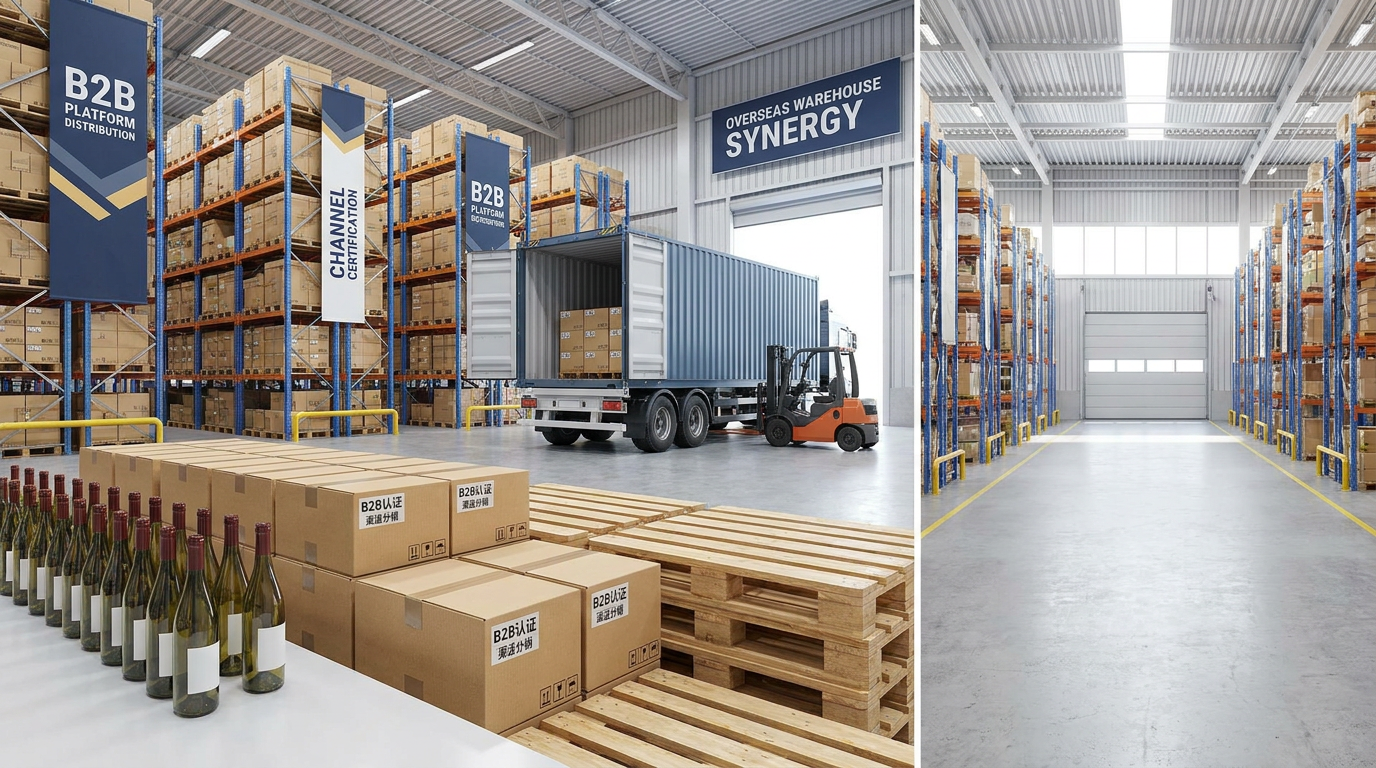
On June 8, 2026, the China Alcoholic Drinks Distribution Association released its 2026–2030 development plan, outlining a national B2B liquor platform, tiered channel certification, and coordinated standards for cross-border warehousing and distribution. Although the plan is specific to the liquor trade, the operating logic behind it is already being referenced by industrial goods export service providers in Zhejiang and Guangdong as they expand distribution networks in Southeast Asia and the Middle East. For overseas distributors reviewing Global Sourcing and B2B Marketing strategies, this is worth watching because it points to a more structured way of organizing partner matching, channel qualification, and offshore fulfillment.
What the June 8 plan clearly sets out
According to the information provided, the association's 2026–2030 plan includes three confirmed directions: building a nationwide B2B digital platform for the liquor sector, promoting a graded certification system for distribution channels, and establishing standards for coordinated cross-border warehousing and logistics. The same information also states that the model of platform-based matching, tiered channel certification, and linkage with overseas forward warehouses has already been referenced by multiple industrial goods export service providers in Zhejiang and Guangdong for distribution expansion in Southeast Asia and the Middle East.
Where the impact may appear first
Channel operators may face a higher bar for structured participation
From an industry perspective, channel distribution companies are likely to pay closest attention to the certification element. If a market increasingly values graded channel qualification, the effect is most likely to appear in partner onboarding, channel screening, and trust-building between upstream suppliers and downstream distributors. What deserves closer attention is whether certification becomes a practical filter in business matching rather than only a formal label.
Supply chain service providers may need tighter warehouse-distribution coordination
Analysis shows that cross-border warehousing and delivery service providers could be affected through execution standards and service integration. The mention of coordinated standards for warehousing and distribution suggests closer alignment between inventory placement, local delivery readiness, and distributor support. For service providers involved in export fulfillment, the operational focus may shift toward whether offshore warehouse arrangements can support faster and more predictable channel expansion.
Industrial goods exporters may treat the liquor model as a transferable framework
Observably, the industrial goods side is relevant because the model has already been referenced beyond liquor. For exporters and distribution builders, the impact is less about product category and more about channel architecture: platform-based lead matching, clearer partner grading, and warehouse linkage as part of market entry. The business areas most likely to be influenced are distributor recruitment, regional expansion planning, and cross-border fulfillment design.
Overseas distributors may reassess sourcing and marketing coordination
For overseas distributors, the direct reference value lies in combining supplier discovery with channel development. Analysis shows that Global Sourcing and B2B Marketing may no longer be treated as separate tasks if partner qualification and delivery infrastructure become part of the same operating model. The key change to watch is whether distributor selection, customer acquisition, and local stock positioning become more tightly connected.
What companies should monitor now
Watch for follow-up rules behind the broad policy language
The current information confirms the direction of the plan, but not the detailed operating rules. What deserves closer attention is whether later official language defines how platform participation, channel grading, or cross-border coordination will be implemented in practice. Companies should distinguish between a planning signal and specific execution standards.
Review partner qualification files and onboarding logic
If channel certification becomes more important, distributors, exporters, and service providers may need to review how they present qualifications, compliance materials, and service capabilities to partners. This is not yet a confirmed mandatory requirement for industrial goods, but the borrowing of the model suggests that better-documented partner readiness could become more valuable in cross-border expansion talks.
Check whether overseas warehouse plans support channel growth
The reference to linked overseas forward warehouses is especially relevant for businesses expanding in Southeast Asia and the Middle East. Companies should pay attention to whether their warehouse deployment, delivery cycle planning, and distributor communication are aligned. The practical issue is not only where stock sits, but whether warehouse arrangements actually support channel responsiveness.
Separate policy reference from immediate market change
Observably, the fact that industrial goods export service providers are already referencing the model does not mean a uniform market standard is already in place. Companies should avoid assuming that all buyers or channel partners will immediately adopt the same framework. The near-term task is to use the signal for planning and partner discussions, while continuing to verify how far implementation has moved.
Why this matters beyond the liquor segment
Analysis shows that the significance of this update lies less in one sector's internal planning document and more in the operating template it presents. A platform for matching, a system for channel grading, and offshore warehouse linkage together form a replicable structure for distribution-building. It is more appropriate to understand this as a directional signal with cross-sector relevance rather than as proof that a new distribution order has already been fully established.
How to read the signal at this stage
At this stage, the development is best understood as a practical industry reference point. The confirmed facts show a clear planning framework in the liquor trade and early borrowing of that framework by some industrial goods export service providers. A neutral reading is that the market should not overstate immediate outcomes, but it should not ignore the possibility that channel digitization, partner certification, and overseas warehouse coordination will increasingly be discussed together in export distribution strategy.
Basis of this article and what still needs verification
This article is based on the user-provided news title, event date, and event summary. For this type of industry update, commonly relevant source categories may include official announcements, industry association releases, company statements, authoritative media reports, and standard-setting documents. A specific official source link was not provided in the input, so the exact underlying release still requires ongoing verification. Follow-up observation should focus on whether more detailed implementation language, certification rules, or cross-border coordination standards are subsequently disclosed.
Related Intelligence