
EU REACH SVHC Update Tightens Metal Export Declarations
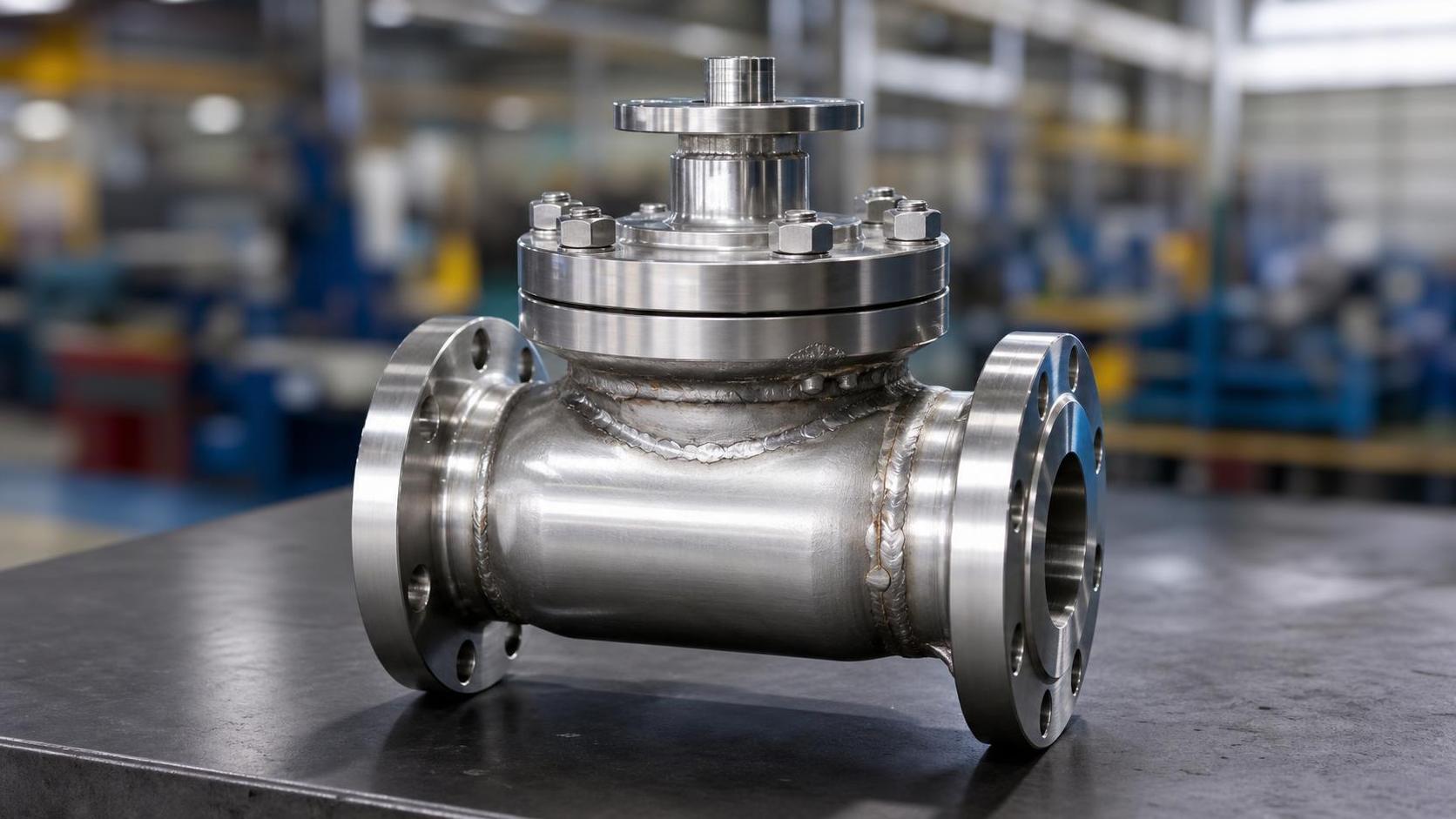
On August 1, 2026, a new compliance requirement tied to the EU REACH framework began affecting metal products exported to the European market. Following ECHA’s addition of 12 substances of very high concern (SVHCs) to the candidate list on July 29, manufacturers shipping relevant metal products from China now face updated declaration, SDS, and in some cases SCIP notification obligations. For exporters of industrial valves, automation structural parts, and OEM metal components, the issue is no longer only material selection but also whether compliance documents can keep pace with delivery and customer requirements.
What Has Changed Under the Latest REACH Update
According to the provided event summary, ECHA formally added 12 SVHC substances to the REACH candidate list on July 29, 2026. The listed substances involve key ingredients used in some stainless steel welding auxiliaries, aluminum surface treatment agents, and copper alloy electroplating additives.
From August 1, 2026, manufacturers exporting metal products containing these substances to the EU are required to provide a declaration of conformity and a safety data sheet (SDS). Where the concentration exceeds 0.1%, notification to the SCIP database is required. The change directly affects the compliance delivery capability of Chinese metal processing companies, OEM/ODM manufacturers, and industrial equipment exporters.
Where the Pressure Will Show Up First in the Supply Chain
Material and process sourcing may face earlier screening pressure
From an industry perspective, companies purchasing welding consumables, surface treatment chemicals, or electroplating-related inputs may be affected first because the rule change is linked to substances used upstream in production. The practical impact is likely to appear in supplier declarations, material identification, and whether procurement teams can confirm if listed SVHCs are present in the process chain.
What deserves closer attention is whether existing purchasing files, incoming material documentation, and supplier statements are sufficient to support updated conformity declarations and SDS preparation for EU-bound products.
Manufacturing exporters may see compliance move closer to shipment readiness
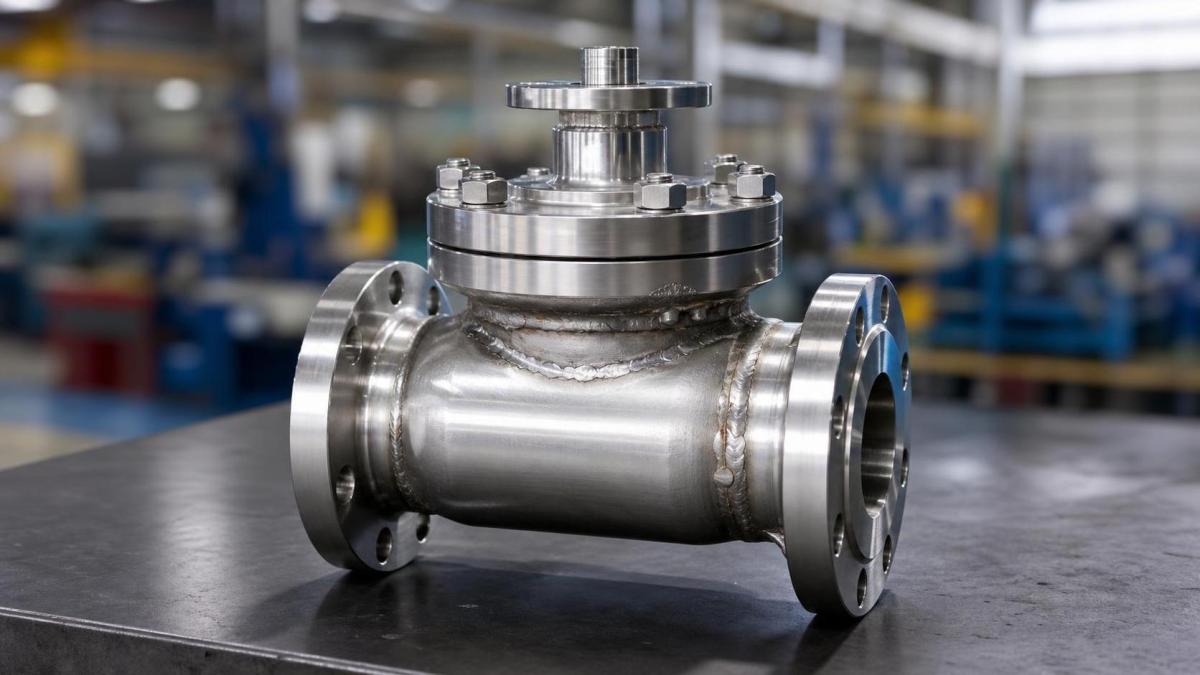
For processors and exporters of industrial valves, automation frames, and OEM metal assemblies, the change may affect final documentation, contract fulfillment, and shipment release. Analysis shows that even where the product itself is mechanically compliant, documentation gaps related to SVHC content can still become a delivery issue when customers require updated declarations before acceptance or customs clearance steps proceed.
The main operational pressure points are likely to be product composition review, document preparation, and coordination between engineering, quality, and export teams.
Downstream buyers and service providers may request tighter traceability
Buyers, distributors, and supply-chain service providers connected to EU orders may also be affected because they often rely on manufacturers’ technical files to complete order compliance checks. Observably, once declaration and SDS obligations are updated, downstream parties may place more emphasis on substance traceability, document version control, and whether SCIP-related obligations have been addressed when the 0.1% threshold is exceeded.
This does not by itself confirm how every market participant will respond, but it indicates where documentation requests and transaction friction may increase first.
What Companies Should Review Immediately
Check whether current product files still support EU delivery
Analysis shows that exporters should closely review whether existing conformity declarations and SDS documents remain aligned with the updated SVHC list. This is especially relevant for products involving stainless steel welding support materials, aluminum surface treatment, or copper alloy electroplating processes mentioned in the event summary.
Reconfirm supplier inputs and internal substance mapping
What deserves closer attention is whether suppliers can provide updated information on ingredients that may now fall within the newly listed SVHC scope. For manufacturers with multi-tier sourcing, this becomes a document and traceability issue as much as a technical one.
Prepare for SCIP-related documentation where thresholds are exceeded
The provided information confirms that products exceeding the 0.1% concentration threshold require SCIP notification. Where companies cannot yet confirm concentrations with confidence, the immediate practical concern is whether internal review and supporting records are robust enough to avoid shipment delays or incomplete compliance submissions.
Watch for changes in customer paperwork and bid requirements
It is more appropriate to understand this stage as one where document requirements may tighten quickly across orders, tenders, and technical submissions. Since the input does not provide detailed enforcement language beyond the stated obligations, companies should treat customer document revisions, specification appendices, and order acceptance conditions as items requiring continued attention rather than assuming a uniform market response.
Why This Looks Like an Execution Signal, Not Just a Policy Update
Analysis shows that this development should be read less as a distant regulatory discussion and more as an immediate execution signal for companies already serving EU-bound metal product demand. The short gap between the July 29 listing and the August 1 compliance expectation matters because it shifts the focus from long-term substitution planning to near-term document readiness and supply-chain verification.
At the same time, it would be premature to treat every downstream commercial effect as settled fact. Observably, the provided information confirms the rule change and the core compliance duties, but market interpretation, customer enforcement intensity, and documentation practices may still vary and therefore remain worth tracking.
How the Market Is Best Read at This Stage
For the metal processing and equipment export segment, this update is best understood as a concrete compliance change with immediate implications for declarations, SDS preparation, and, where applicable, SCIP notification. Its significance lies in how quickly it can affect shipment readiness, buyer confidence, and internal coordination across procurement, production, and export documentation.
A measured reading is more appropriate than a dramatic one: the rule change is real and already relevant, but the full shape of implementation across transactions, tenders, and customer review processes still needs continued observation.
Basis of This Article and What Still Needs Verification
This article is generated based on the user-provided news title, event date, and event summary. For developments of this type, commonly relevant source categories may include official regulatory announcements, releases from supervisory authorities, customs or trade administration information, industry association updates, standards-related documents, and reporting by authoritative media.
No specific official source link was provided in the input, so the exact official publication path still requires further verification. Observably, the areas that remain worth monitoring include detailed implementation language, certification or compliance interpretation in practice, changes in tender and procurement documents, market feedback from buyers, and how affected companies carry out execution at the shipment level.
Related Intelligence